To use an electric wine opener correctly without damaging the cork, center the spiral worm precisely on the cork, hold the device vertically with firm downward pressure, and let the motor do all the work — never twist or force the device manually. Most cork damage occurs in the first two seconds of operation due to misalignment, or at extraction due to pulling the bottle upward instead of keeping it flat. Following the correct technique consistently produces a clean, intact cork every time and protects both the wine and the opener.
Understand How Your Electric Wine Opener Works Before Using It
Electric wine openers operate on a simple motorized mechanism: pressing the down button drives a spiral metal worm screw into the cork; pressing the up button reverses the motor to extract the cork from the bottle and then eject it from the device. The entire open-and-eject cycle typically takes 8–12 seconds on a fully charged unit.
Most models fall into one of two designs:
- Foil cutter integrated: The device includes a built-in or accessory foil cutter that removes the capsule before the worm engages the cork. Always use this first — attempting to drill through foil risks deflecting the worm off-center.
- Standalone opener: Requires a separate foil cutter or manual foil removal before use. Do not skip this step even if the foil appears thin — residual foil debris can contaminate the wine as the cork exits.
Knowing which type you have determines the correct sequence of steps and prevents the most common source of cork crumbling — drilling through an intact foil capsule.
Step-by-Step: The Correct Technique from Foil to Pour
Step 1 — Remove the Foil Capsule Completely
Place the foil cutter over the neck of the bottle so it sits just below the lower lip of the bottle mouth. Squeeze and rotate it one full turn to score the foil cleanly, then lift it away. Remove any remaining foil pieces with your fingers. The top of the cork should be fully exposed and clean before the opener touches the bottle.
If the foil is unusually thick or stiff — common on some Old World wine producers — make two passes with the cutter rather than forcing it in one rotation. A partial cut leaves a foil flap that can misdirect the worm when it first contacts the cork surface.
Step 2 — Place the Bottle on a Flat, Stable Surface
Set the wine bottle on a flat table or countertop and keep it there throughout the entire opening process. Do not hold the bottle in the air while operating the opener — this creates instability that causes misalignment and increases the risk of the worm drilling through the side of the cork rather than its center. A bottle held in the hand can shift by 5–10 degrees under motor vibration, which is enough to crack a natural cork.
Step 3 — Center the Opener on the Cork with Firm Downward Pressure
Hold the electric opener vertically — perfectly straight up and down — and lower it onto the bottle neck so the base of the device rests flush against the bottle rim. The worm tip should be positioned directly above the center of the cork. Apply firm, consistent downward pressure with one hand throughout the insertion phase. This is the single most important technique point: without downward pressure, the motor's rotational force will push the device upward rather than driving the worm into the cork, causing it to skate across the cork surface and create an off-center entry hole.
Step 4 — Press the Down Button and Hold Until the Motor Stops
Press and hold the down button. The motor will drive the worm into the cork and then automatically extract the cork from the bottle in one continuous motion — on most models, a single press-and-hold completes both insertion and extraction. Do not release the button midway and do not attempt to assist the extraction by lifting the device — the motor is calibrated to extract at the correct speed and force. Releasing early and re-pressing can cause the worm to partially back out and re-enter at a slightly different angle, splitting the cork.
On models with separate insert and extract buttons, press the down button until the motor tone changes or the device stops automatically — this signals full insertion — then switch to the up button for extraction.
Step 5 — Eject the Cork with the Up Button
Once the cork is fully extracted and sitting inside the device, press the up button again (or continue holding, depending on the model) to reverse the worm out of the cork, ejecting it cleanly. Most corkscrews eject the cork automatically after extraction — do not pull the cork off the worm manually, as this can bend the spiral or stress the motor shaft over time.
The Most Common Mistakes That Damage Corks — and How to Avoid Them
| Mistake |
What Goes Wrong |
How to Avoid It |
| Holding the bottle in the air |
Bottle shifts during motor vibration, worm enters off-center |
Always place bottle on a flat surface |
| Not removing the foil first |
Worm deflects off foil, drills into cork edge |
Always cut and remove foil completely before opening |
| Insufficient downward pressure |
Device lifts instead of drilling down, cork surface damaged |
Press firmly down throughout insertion |
| Tilting the opener at an angle |
Worm enters diagonally, cork cracks or breaks in half |
Keep device perfectly vertical at all times |
| Releasing the button mid-cycle |
Worm partially retracts and re-enters at wrong angle, splitting cork |
Hold button continuously until motor completes cycle |
| Using a low battery device |
Reduced torque stalls mid-cork, leaving it partially extracted |
Check charge indicator before use; recharge after every 30–40 bottles |
| Pulling the cork off the worm manually |
Cork fragments may break off; motor shaft stressed over time |
Always use the up button to eject the cork |
Common electric wine opener mistakes, their consequences, and the correct technique to prevent each one
How to Handle Difficult Corks Without Damaging Them
Not all corks are equal. Older bottles, natural corks, and synthetic corks each present specific challenges that require slight technique adjustments.
Old or Dry Natural Corks
Corks in bottles aged 10 years or more are often dried out and brittle, making them the highest-risk category for crumbling. The cork's cell structure degrades over time, reducing its ability to grip the worm without fragmenting. For these bottles:
- Store the bottle upright for 24–48 hours before opening if it has been stored on its side for years — this allows the cork to slightly rehydrate from ambient humidity and firm up its surface.
- Apply extra downward pressure during insertion to compensate for the cork's reduced resistance — old corks offer less grip for the worm, so maintaining contact between the device base and the bottle rim is critical.
- If the cork begins to crumble and fragments fall into the wine, use a wine strainer or fine mesh sieve when pouring. Cork fragments are harmless but affect the drinking experience.
Synthetic Corks
Synthetic corks made from polyethylene or composite materials are significantly denser and more resistant than natural cork. They require more motor torque to extract and can strain a low-battery electric opener. Always ensure the device is fully charged before opening a bottle with a synthetic cork. If the motor struggles or stalls, stop immediately — forcing it risks burning out the motor. Allow the device to rest for 30 seconds, then try again. Do not attempt to manually assist by twisting the device body.
Champagne and Sparkling Wine Corks
Electric wine openers are not designed for Champagne or sparkling wine corks. Sparkling wine corks are mushroom-shaped, compressed, and held by a wire cage — they must be removed by hand by loosening the cage and gently twisting and pulling the cork while controlling the pressure. Attempting to use an electric opener on a sparkling wine bottle risks both damaging the device and causing a dangerous uncontrolled cork ejection.
Even with perfect technique, a damaged or unusually brittle cork can break during extraction, leaving a portion inside the bottle neck. Do not panic — this is recoverable without ruining the wine.
- If the worm is still engaged in the upper half of the cork: Continue pressing the up button slowly. The motor may be able to extract the remaining fragment if enough worm threads are still embedded. Apply gentle downward pressure on the device to keep it from lifting off the bottle.
- If only a thin disk of cork remains in the neck: Use a traditional waiter's corkscrew or a two-prong cork puller (ah-so opener) to grip and extract the fragment. A two-prong opener is specifically designed for damaged or fragmenting corks and is the professional tool of choice in this scenario.
- If the fragment falls into the bottle: Push it fully into the wine rather than attempting to fish it out — a partially submerged cork fragment will block pouring. Pour the wine through a fine mesh strainer or coffee filter to remove all cork particles before serving.
Battery and Charge Management for Consistent Performance
A low battery is one of the most overlooked causes of cork damage with electric openers. As charge depletes, motor torque decreases — the opener begins to slow mid-extraction, causing it to stall with the worm partially embedded in the cork. Forcing a stalled opener risks both splitting the cork and damaging the motor.
- Most electric wine openers are rated for 30–80 bottles per charge, depending on battery capacity and cork type. Check the charge indicator light before any use session, especially before entertaining guests.
- Recharge the device after every 30–40 bottles as a maintenance habit, rather than waiting for the low battery indicator. Running the battery to near-depletion repeatedly shortens overall battery lifespan.
- If the device is stored unused for more than 3 months, recharge it before use — lithium-ion batteries self-discharge at approximately 2–3% per month and may not deliver full torque after extended storage even if they show a partial charge.
Routine Maintenance That Protects Both the Opener and the Cork
A well-maintained electric wine opener performs more cleanly and consistently, reducing the chance of cork damage caused by a bent worm, debris buildup, or a stiff ejection mechanism.
- Inspect the worm before each use. A bent or blunted spiral tip will not enter the cork cleanly — it will push material sideways rather than drilling through it, creating cracks that propagate during extraction. Replace the worm if it is visibly deformed. Most manufacturers sell replacement worms for $5–$15.
- Clean cork debris from the worm after every use. Cork fragments lodged in the worm threads reduce its grip on the next cork and can cause off-center entry. Wipe the worm with a dry cloth or use a toothpick to clear debris from between the spiral threads.
- Do not use oil or lubricant on the worm. Any lubricant will transfer to the cork and into the wine. The worm is designed to operate dry.
- Store the opener upright in its foil cutter base or charging cradle rather than on its side, to prevent pressure on the worm tip that could cause gradual bending over time.


 English
 русский
 Español
 Deutsch
 عربى
عربى 中文简体
中文简体


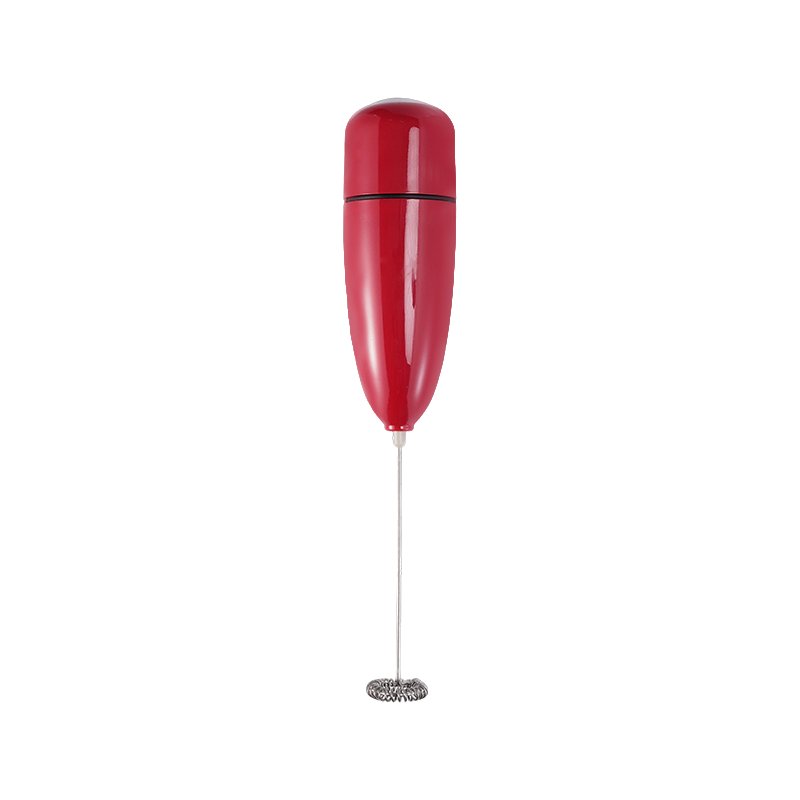
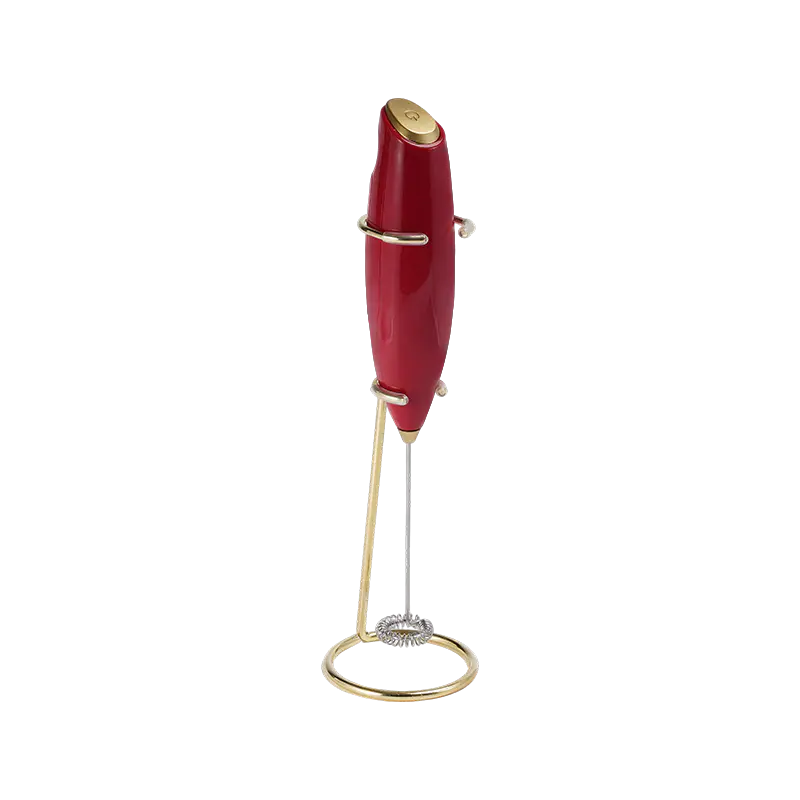
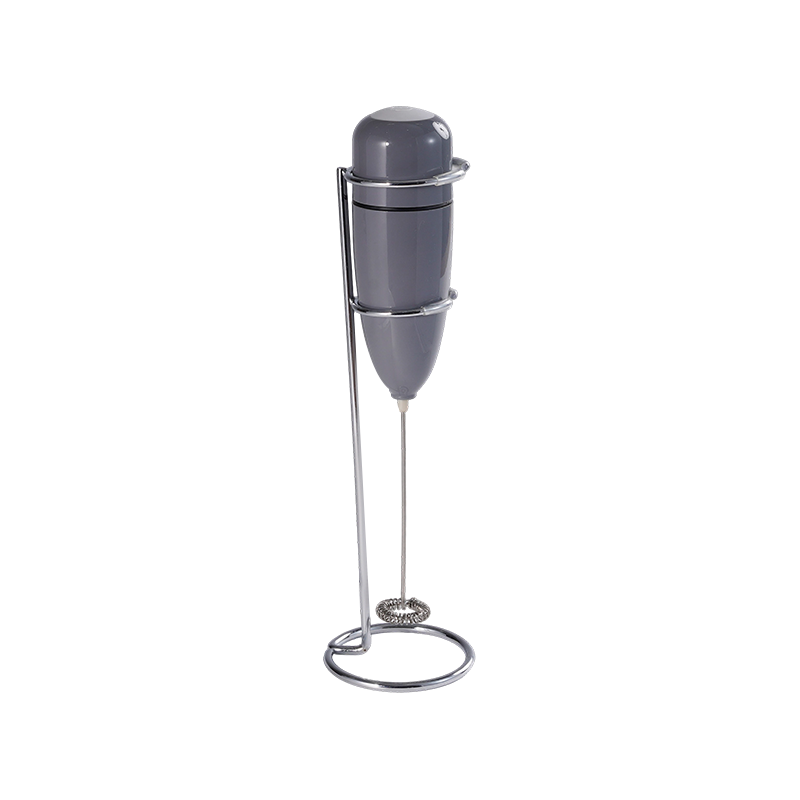
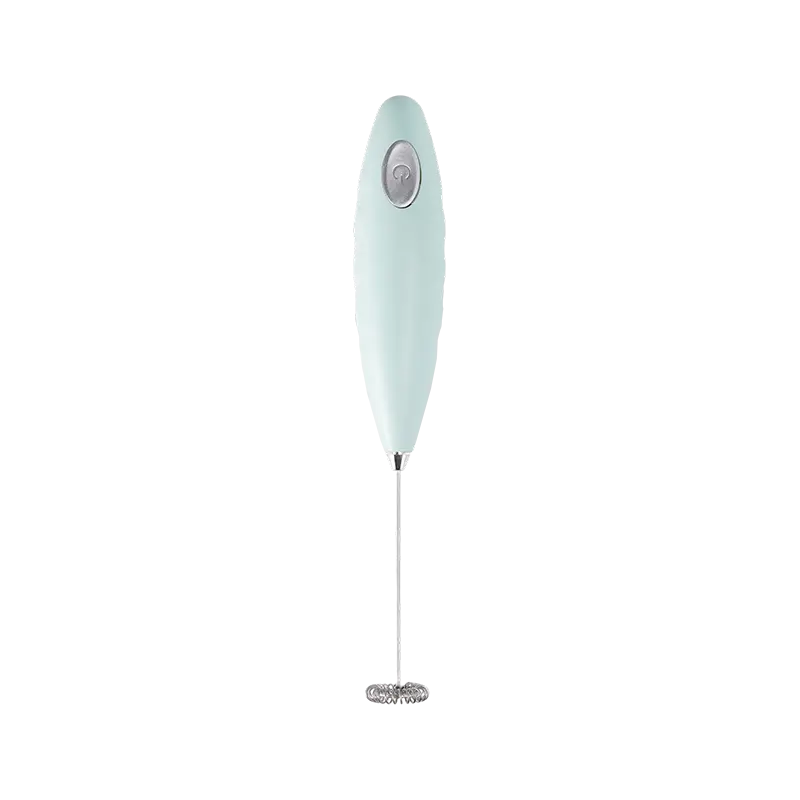

 Custom Automatic Electric Milk Frother Manufacturers