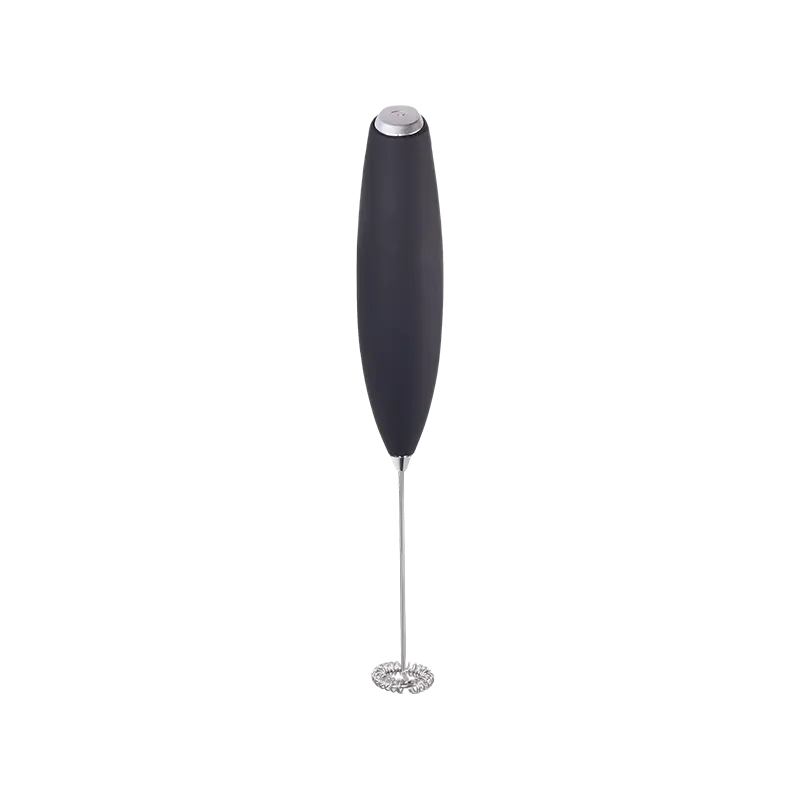
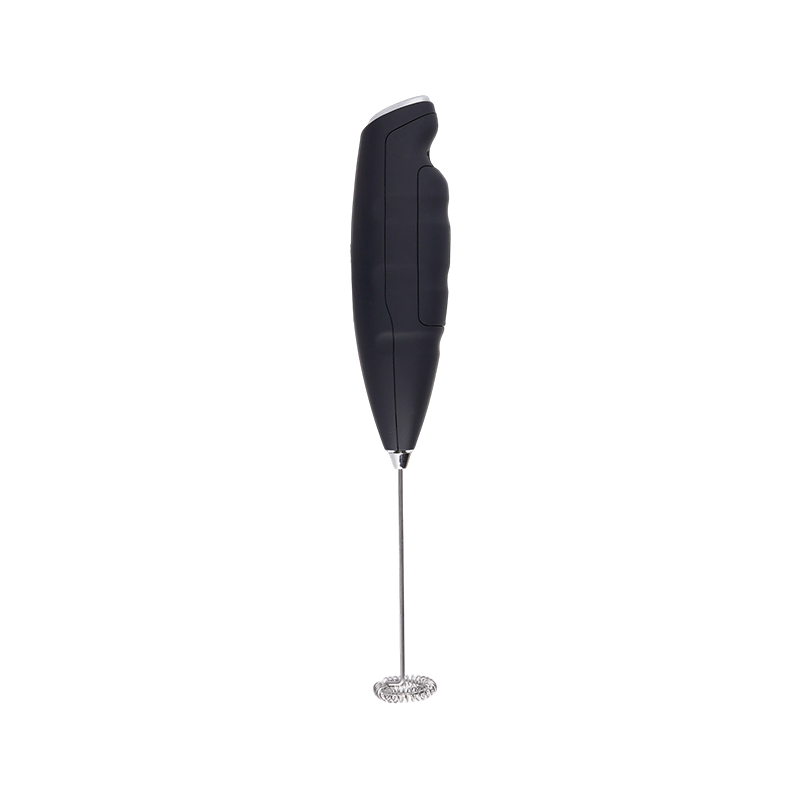
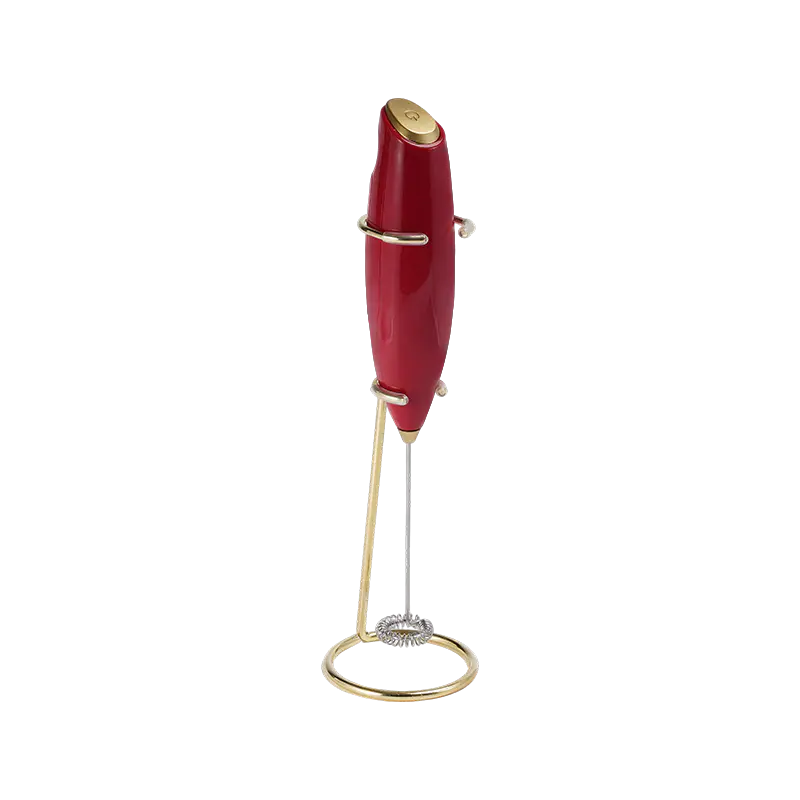
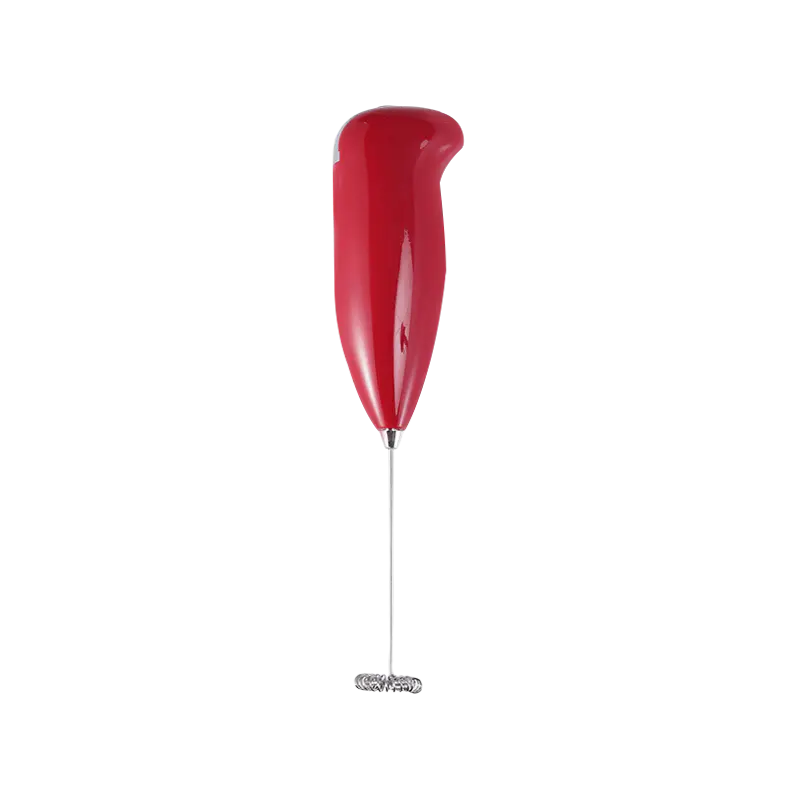
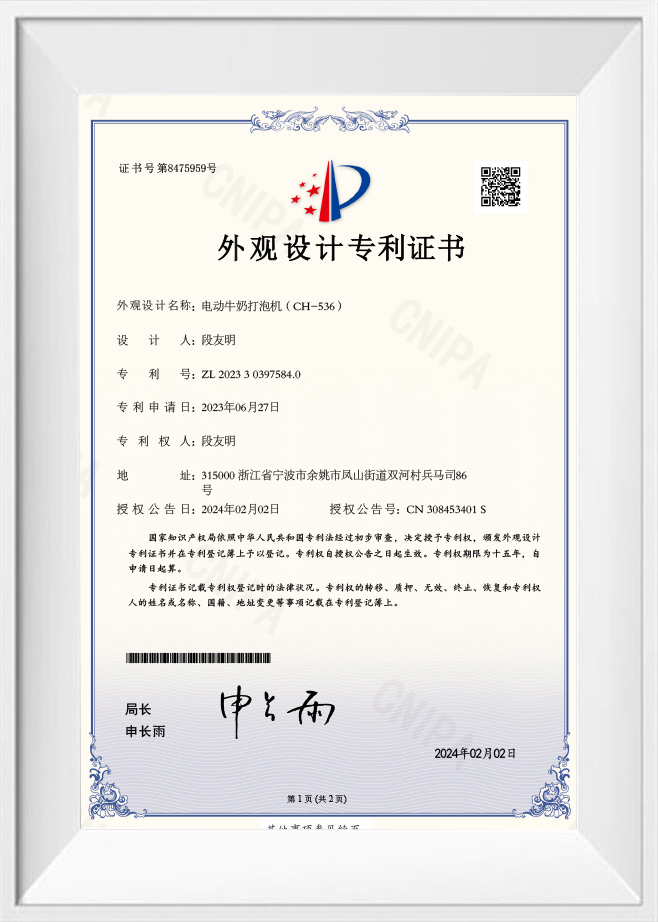
Battery-Powered Milk Frother Cleaning and Detachable Components
Company Background and Product Context
Hangzhou Shengrong Trading Co., Ltd., located in Hangzhou, Zhejiang Province, China, specializes in the production and management of daily necessities, including household appliances, hardware products, metal daily necessities, kitchen utensils, and plastic products. Their business also includes wholesale, import and export services, and technology trade. Within this framework, battery-powered milk frothers represent a segment of small household appliances that Shengrong manufactures and distributes. The company’s experience in appliance production and material selection informs the design of frothers, aiming to provide users with practical solutions for beverage preparation, including features that simplify cleaning and component maintenance.
Cleaning Considerations for Battery-Powered Milk Frothers
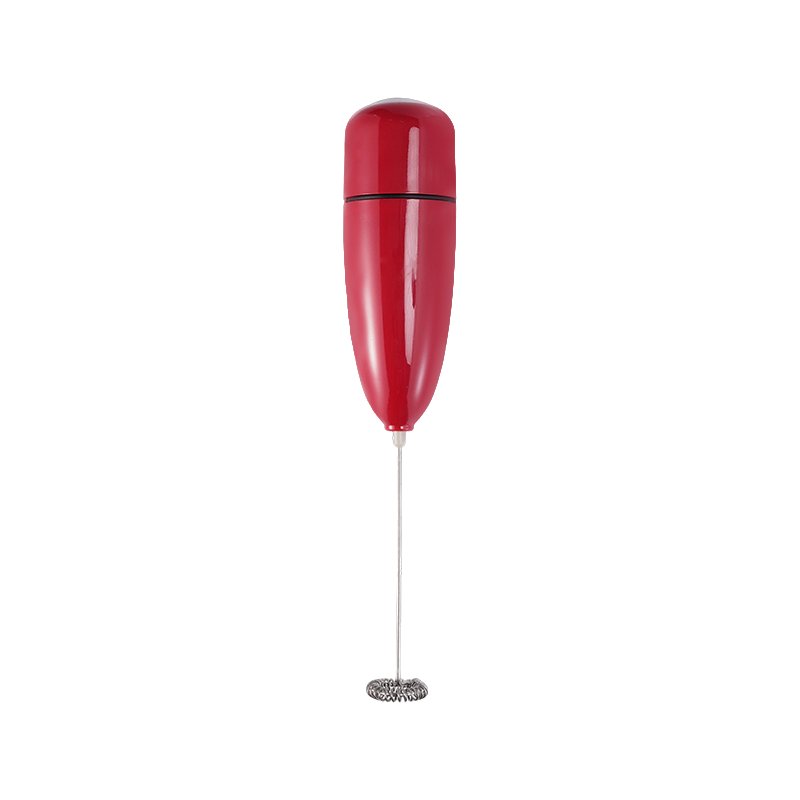
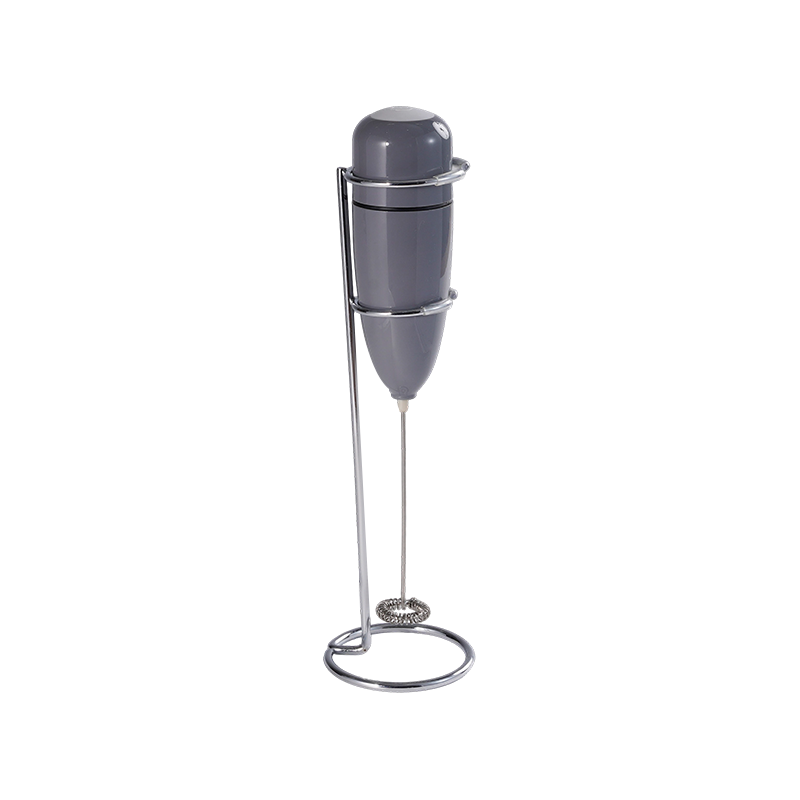
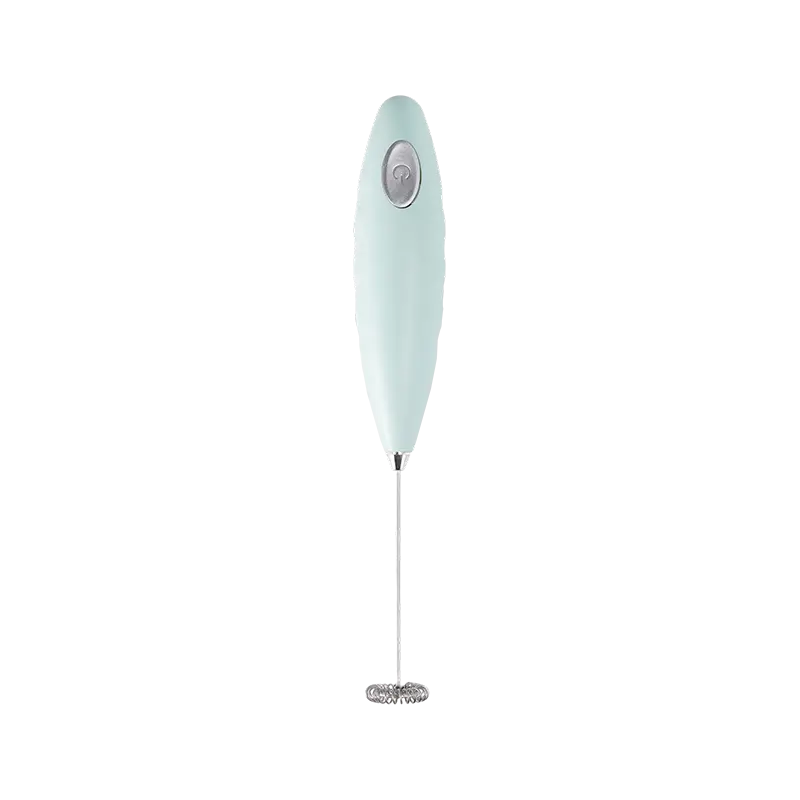
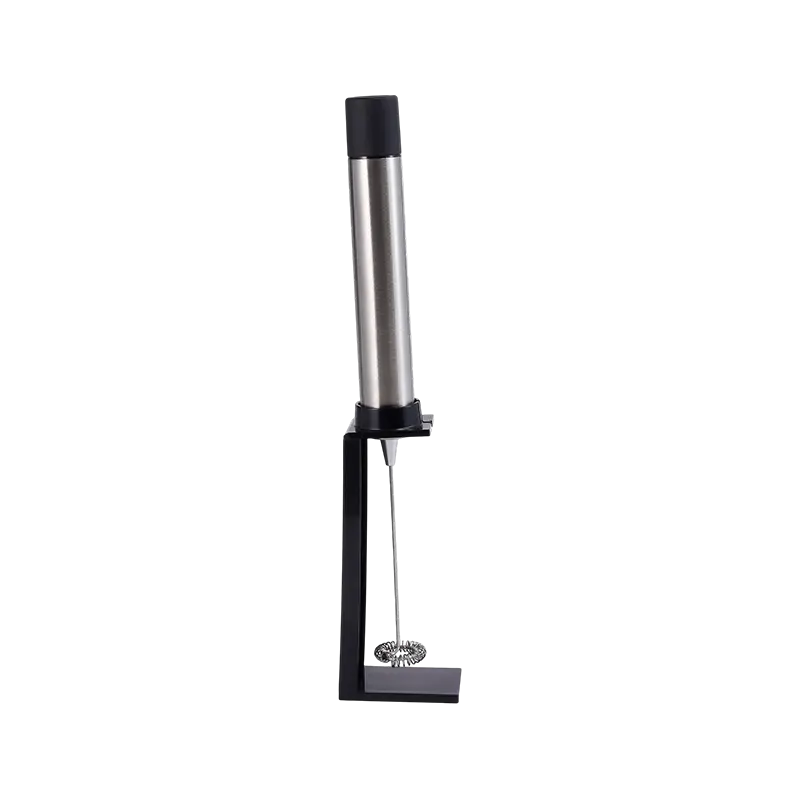
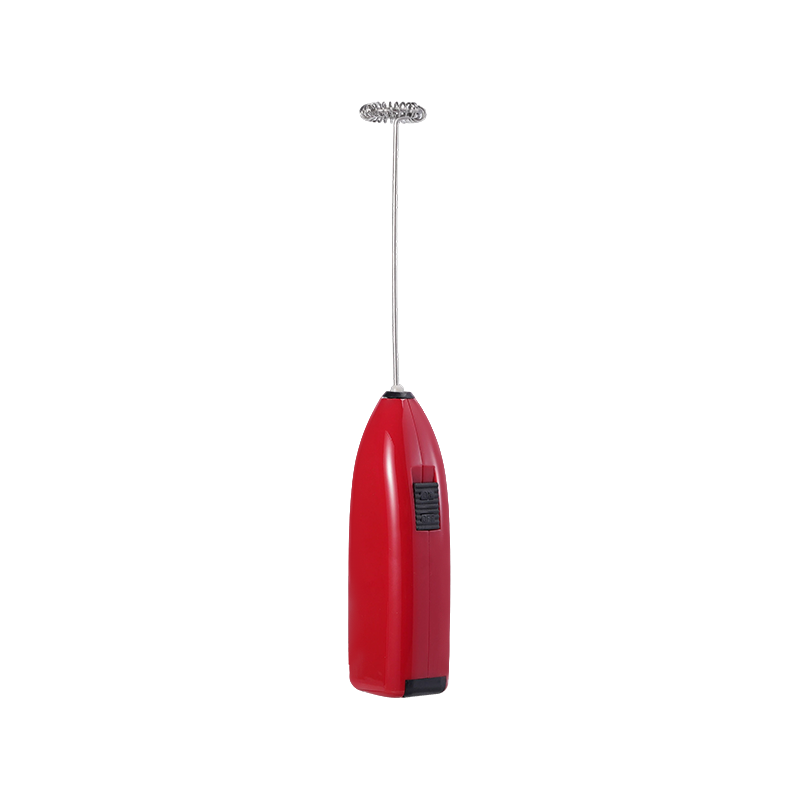
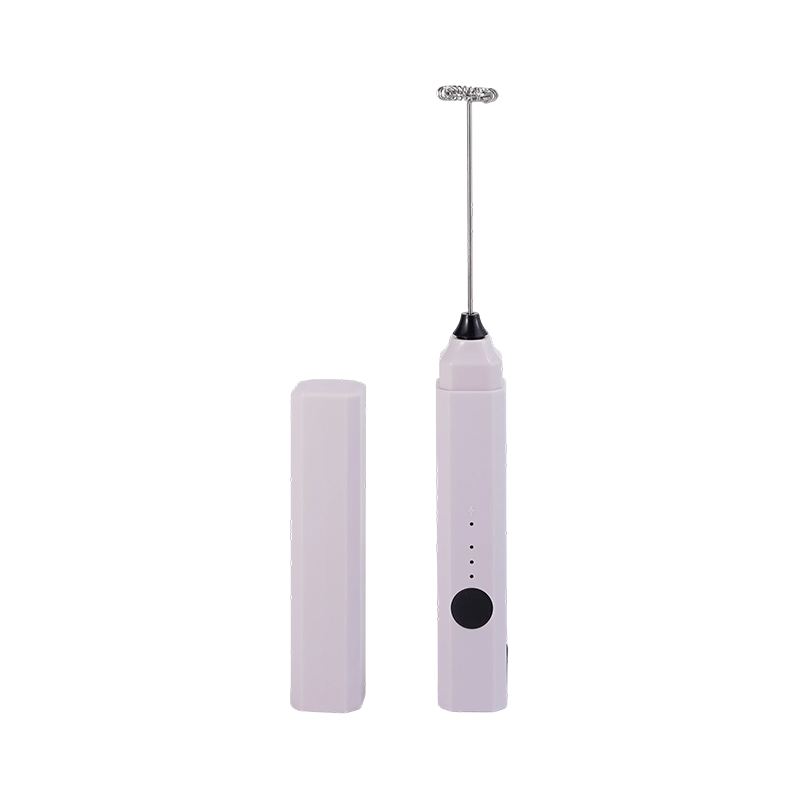
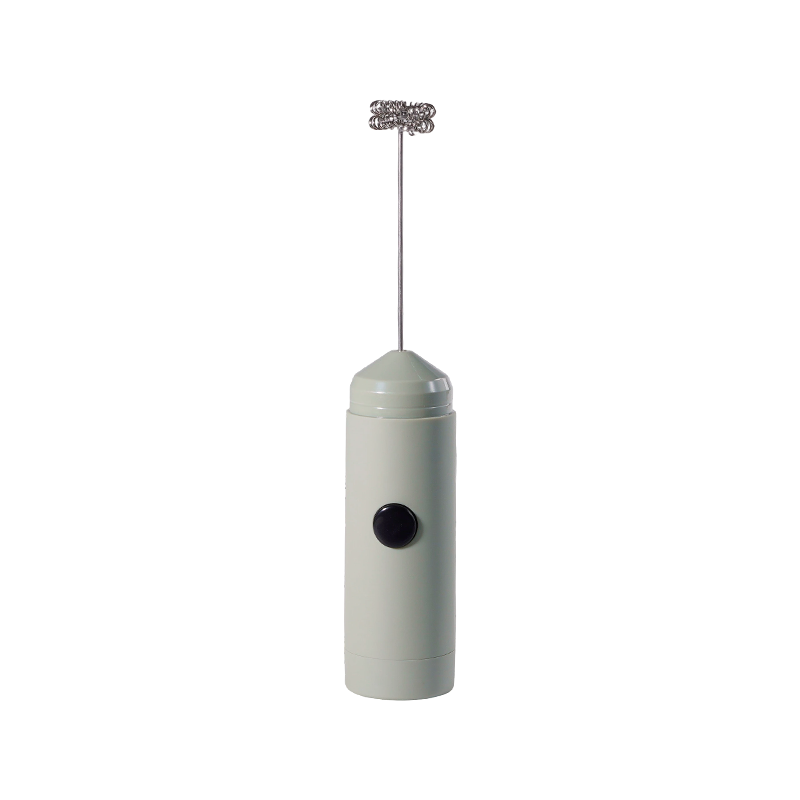
Battery-powered milk frothers are portable appliances that use a motor-driven whisk to create milk foam. Proper cleaning is essential to maintain hygiene and extend the appliance’s usability. For products produced by companies like Hangzhou Shengrong, cleaning is facilitated through the use of detachable components and materials resistant to milk residue accumulation. Users are advised to rinse the whisk immediately after use and to wipe down the frother body with a damp cloth. The main body contains batteries and electrical components, which must not be immersed in water. Regular cleaning routines help prevent residue buildup and reduce the risk of bacterial growth, especially when milk is left in the container for extended periods.
Detachable Whisk Head and Its Function
The whisk head is the primary component responsible for frothing milk. In Shengrong battery-powered frothers, the whisk is designed to be detachable, allowing users to remove it from the motor unit for thorough cleaning. The detachable feature ensures that milk residue does not remain trapped in crevices, simplifying maintenance and extending the functional life of the appliance. Detaching the whisk also reduces contact between liquid and electrical parts, minimizing the risk of damage during cleaning.
Cleaning Procedure and Best Practices
The recommended cleaning process starts with detaching the whisk head from the frother body. The whisk can be rinsed under warm water and, if necessary, cleaned with mild detergent using a soft brush. After cleaning, it should be dried completely before reassembling. The frother body, which contains the motor and batteries, should only be wiped with a damp cloth. Shengrong emphasizes that avoiding water contact with the motor unit is critical to prevent electrical issues and maintain operational safety. Following this procedure ensures that the appliance remains hygienic and functions reliably.
Comparison of Detachable Components in Shengrong Battery-Powered Frothers
| Component |
Function |
Cleaning Method |
| Whisk Head |
Creates milk foam through rotation |
Detach and rinse under running water, use mild detergent if necessary |
| Frother Body |
Contains motor and battery compartment |
Wipe with damp cloth only, avoid immersion |
| Battery Compartment Cover |
Protects battery contacts |
Wipe with dry or slightly damp cloth, ensure compartment is dry before use |
Materials and Cleaning Compatibility
Shengrong battery-powered milk frothers use materials selected for durability and ease of cleaning. The whisk is typically made of stainless steel, which resists staining and allows gentle scrubbing. Plastic components, including the frother body and battery cover, should be cleaned using soft, non-abrasive cloths or sponges. Some models incorporate non-stick coatings in the whisk area to reduce residue adherence. Silicone seals, if included, are removable and can be rinsed separately. Proper material selection supports user-friendly cleaning while protecting the integrity of the appliance.
Maintenance Frequency and Longevity
Regular cleaning is recommended for battery-powered milk frothers to maintain performance and hygiene. Detachable whisk heads should be cleaned after each use, while the frother body can be wiped down weekly or as needed depending on use frequency. Inspecting the whisk and other detachable parts for wear or damage ensures consistent frothing quality. Shengrong advises users to follow these maintenance practices to maintain the appliance’s functionality and extend its usable life.
FAQ
Q: What cleaning steps are recommended to maintain a battery-powered milk frother produced by Hangzhou Shengrong?
A: For Shengrong battery-powered milk frothers, it is advised to detach the whisk head after each use and rinse it under warm water, optionally using mild detergent. The frother body should be wiped with a damp cloth, ensuring that the motor and battery compartment are kept dry to prevent damage.
Q: How does the detachable whisk head affect the durability of Shengrong frothers?
A: The detachable whisk allows for easier cleaning and reduces the risk of milk residue affecting the motor unit. This design minimizes wear on the appliance and helps maintain consistent frothing performance over time.
Q: Can Shengrong battery-powered frothers handle hot and cold milk?
A: Yes, the frothers are designed to handle a range of milk temperatures. However, users should avoid exceeding the recommended temperature limits specified in the product manual to prevent potential damage to the motor or plastic components.
Q: Are the battery compartments of Shengrong frothers water-resistant?
A: The battery compartment is not water-resistant. Users should always wipe it with a dry or slightly damp cloth and ensure it is completely dry before inserting batteries to avoid electrical issues.
Q: What materials are used in the whisk and container, and how do they impact cleaning?
A: Shengrong frothers typically use stainless steel for the whisk and BPA-free plastic for the body and container. Stainless steel resists staining and allows gentle scrubbing, while the plastic parts are cleaned with non-abrasive cloths or sponges to maintain the appliance’s integrity.
Q: Is it safe to use cleaning agents on the whisk head?
A: Mild dish soap can be used on the detachable whisk head. Abrasive cleaners or strong chemicals should be avoided to prevent damage to the stainless steel and any non-stick coatings present on the whisk.
Q: How often should Shengrong battery-powered frothers be inspected for maintenance?
A: Detachable parts, especially the whisk, should be checked regularly for signs of wear or deformation. Consistent inspection ensures the frother continues to operate efficiently and safely.
Q: Can Shengrong battery-powered frothers be used in commercial or high-frequency settings?
A: These frothers are primarily designed for household use. While they can handle frequent use, continuous heavy-duty commercial operation may reduce their lifespan and is not recommended by the manufacturer.


 English
 русский
 Español
 Deutsch
 عربى
عربى 中文简体
中文简体