Effectiveness of Anti-Scald and Anti-Overflow Features in Automatic Electric Milk Frothers
Company Background and Product Context
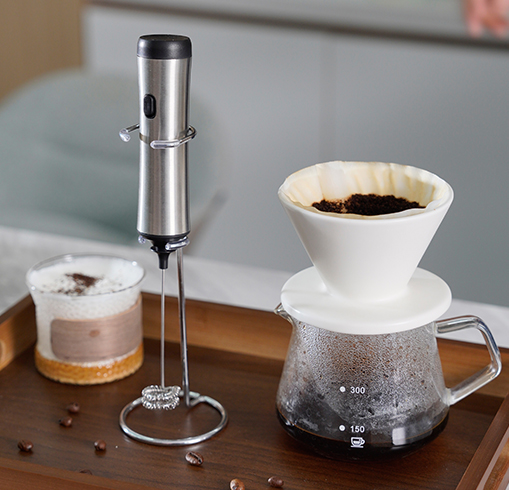
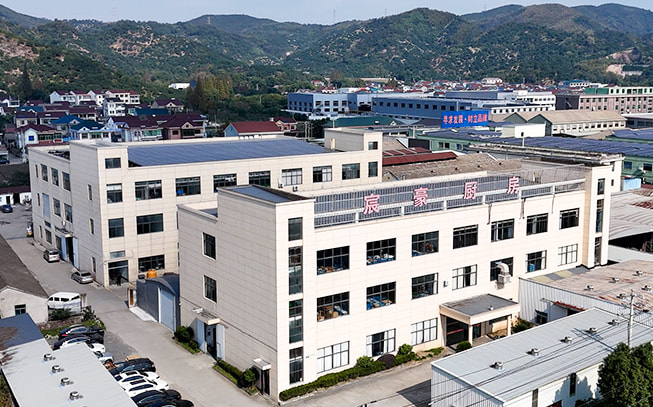
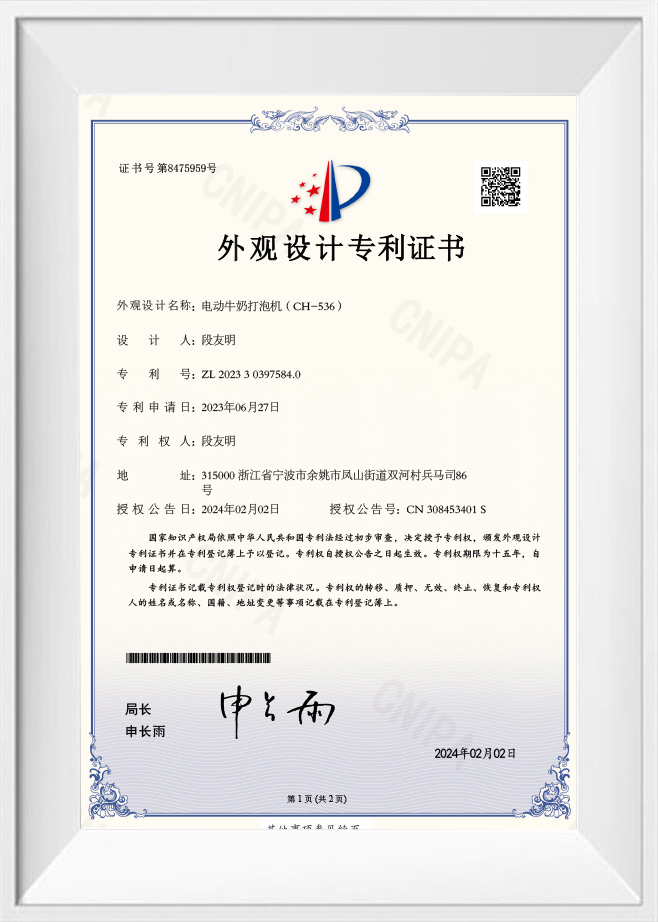
Hangzhou Shengrong Trading Co., Ltd., located in Hangzhou, Zhejiang Province, China, specializes in the production and management of daily necessities, including household appliances, kitchen utensils, metal and plastic products, and sanitary ware. Among its product offerings, automatic electric milk frothers are designed for convenience in daily beverage preparation. These devices are equipped with safety features such as anti-scald and anti-overflow mechanisms, which are intended to reduce potential risks during operation.
Design and Functionality of Anti-Scald Features
Anti-scald mechanisms in electric milk frothers generally rely on a combination of temperature sensors, automatic shut-off systems, and insulated exterior materials. The temperature sensors monitor the internal milk temperature, signaling the device to stop heating when a predefined threshold is reached. The automatic shut-off system is linked to these sensors, providing a safety interruption that helps prevent the milk from exceeding temperatures that could cause burns. Insulated exteriors further reduce the likelihood of users accidentally contacting hot surfaces during operation. While these design elements address common causes of burns, the effectiveness may vary depending on device maintenance, proper usage, and environmental factors.
Anti-Overflow Mechanisms and Their Limitations
Anti-overflow features are typically integrated to prevent milk from spilling outside the container during frothing. These features often include maximum fill indicators, overflow sensors, and specialized frothing discs that regulate milk expansion. The maximum fill indicators guide users to pour the correct quantity of milk, while overflow sensors detect rising liquid levels and trigger automatic stoppage. Despite these safeguards, factors such as the type of milk used, milk temperature, and frothing duration can influence performance. Users may still experience minor spillage if these conditions are not optimized.
Interaction Between Safety Features
The anti-scald and anti-overflow functions operate simultaneously to maintain user safety. When the device detects excessive heat or rising milk levels, the respective sensor triggers the device to stop automatically. This interaction helps mitigate risks associated with both high temperatures and overfilling. However, relying solely on automatic mechanisms without user attention can reduce the effectiveness of these features. For example, using non-standard milk containers or ignoring maximum fill levels may override the intended safety response.
Comparative Overview of Safety Features
To understand the general performance range of these features, the following table summarizes their operational principles and potential limitations:
| Feature |
Operational Principle |
Potential Limitation |
| Anti-Scald |
Temperature sensors and automatic shut-off stop heating when a set temperature is reached; insulated exterior reduces surface heat |
Effectiveness may decrease if sensors malfunction, device is improperly maintained, or external temperature affects readings |
| Anti-Overflow |
Maximum fill indicators, overflow sensors, and frothing discs monitor liquid level to prevent spillage |
Spillage can occur if milk type, frothing duration, or container size exceeds designed specifications |
User Guidelines for Optimal Performance
To maximize the safety functions of automatic milk frothers, users should follow manufacturer recommendations. This includes filling milk only up to the indicated maximum level, using containers provided or recommended by the manufacturer, and avoiding prolonged frothing beyond the recommended time. Regular cleaning and maintenance of sensors and internal components also help maintain feature reliability. User awareness remains an important factor alongside automated safety measures.
Industry Perspective on Safety Features
In the context of household appliance manufacturing, anti-scald and anti-overflow designs are common standards for milk frothers. Companies such as Hangzhou Shengrong Trading Co., Ltd. focus on integrating these safety mechanisms during the design and production stages. Industry reports indicate that while automated safety systems reduce risk, consumer education and careful usage are essential for effective operation. Manufacturers continue to explore sensor precision improvements and material enhancements to further support user safety.
FAQ
Q: How does the automatic electric milk frother adjust frothing based on different milk types?
A: Hangzhou Shengrong Trading Co., Ltd. designs its milk frothers with sensors that detect milk viscosity and temperature. These sensors adjust frothing speed and heating duration to create consistent foam quality across dairy, plant-based, or low-fat milks.
Q: Can the milk frother operate continuously for multiple drinks without overheating?
A: The frother includes built-in temperature monitoring and automatic shut-off mechanisms. These features prevent overheating, allowing multiple uses in succession while maintaining safe operation and consistent performance.
Q: How should users clean the frother to maintain its anti-scald and anti-overflow functions?
A: Regular cleaning of the internal container, frothing disc, and sensors is recommended. Using mild detergents and avoiding abrasive tools helps preserve the accuracy of temperature and overflow sensors, ensuring safety features continue to function properly.
Q: Is it possible to froth milk directly in the cup instead of the frother container?
A: For optimal safety and performance, the device is designed to froth milk in its own container. Using alternative cups may interfere with anti-overflow and anti-scald mechanisms and reduce foam consistency.
Q: How does the device respond if the milk exceeds the recommended fill level?
A: The milk frother is equipped with overflow sensors that detect rising liquid levels. When the sensor is triggered, the device stops frothing automatically to prevent spillage and potential hazards.
Q: Are there differences in froth quality when using cold milk versus warm milk?
A: Yes, sensor-based adjustments in the frother modify frothing duration and heating based on milk temperature. Cold milk may require slightly longer frothing cycles to achieve the desired foam texture compared to warm milk.
Q: How long does the automatic frother typically take to create milk foam?
A: Frothing times vary depending on milk type and volume, generally ranging from one to three minutes. The device’s automated sensors monitor temperature and froth density to complete the process efficiently without user intervention.


 English
 русский
 Español
 Deutsch
 عربى
عربى 中文简体
中文简体