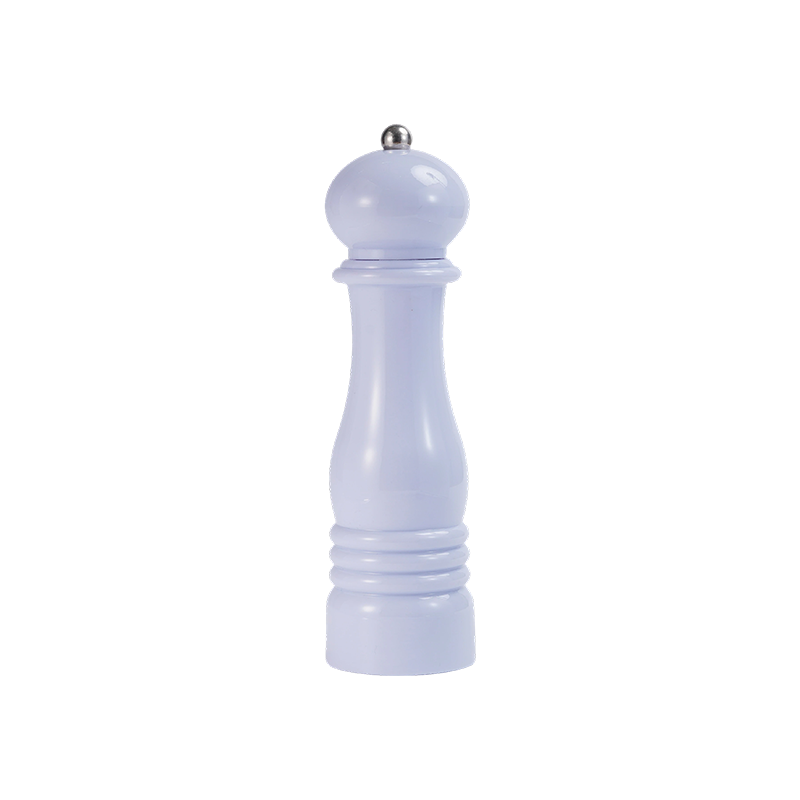
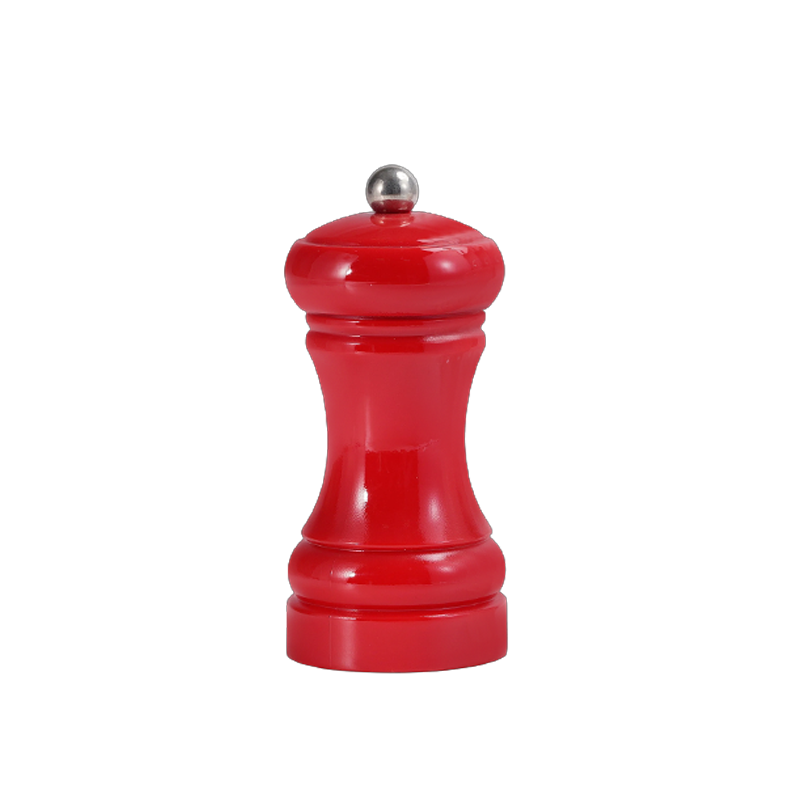
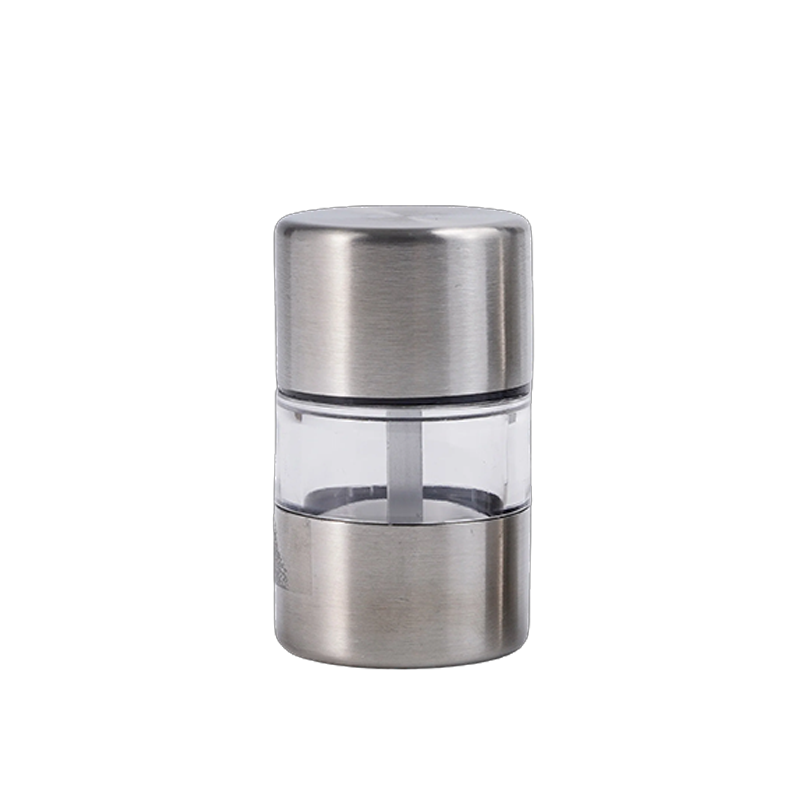
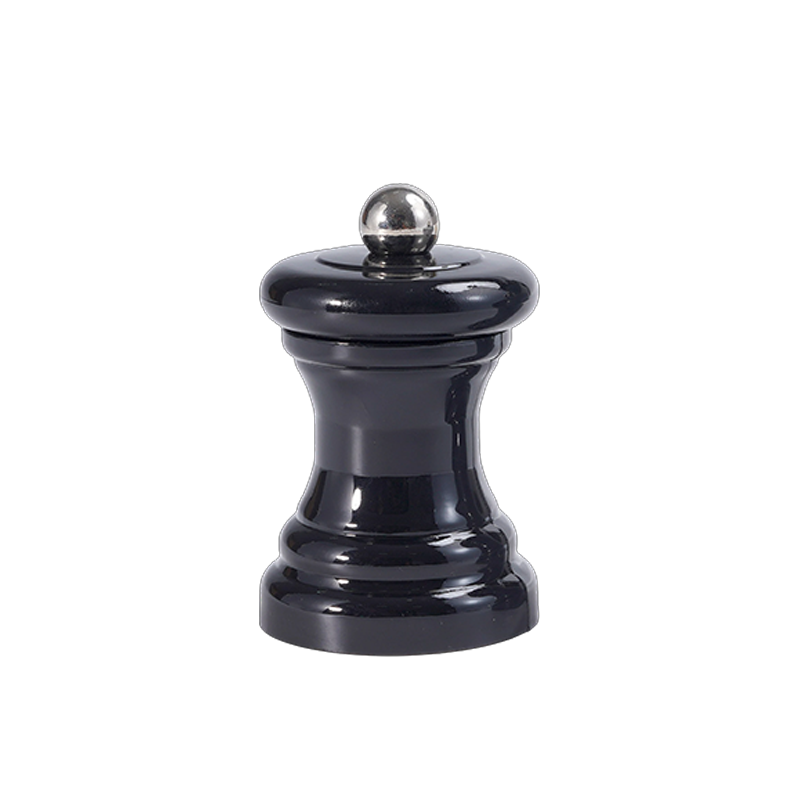
Differences Between Manual and Electric Salt and Pepper Mills
Company Background and Product Context
Hangzhou Shengrong Trading Co., Ltd., located in Hangzhou, Zhejiang Province, China, is engaged in the production and management of daily necessities, including household appliances, hardware products, metal daily necessities, kitchen utensils, and plastic products. The company also handles wholesale, import and export services, and technology trade. Within its product line, Shengrong manufactures both manual and electric salt and pepper mills. Their experience in material selection, motor design, and ergonomic development informs the design of both types of mills, aiming to meet diverse user preferences in terms of convenience, performance, and kitchen aesthetics.
Operation Mechanism
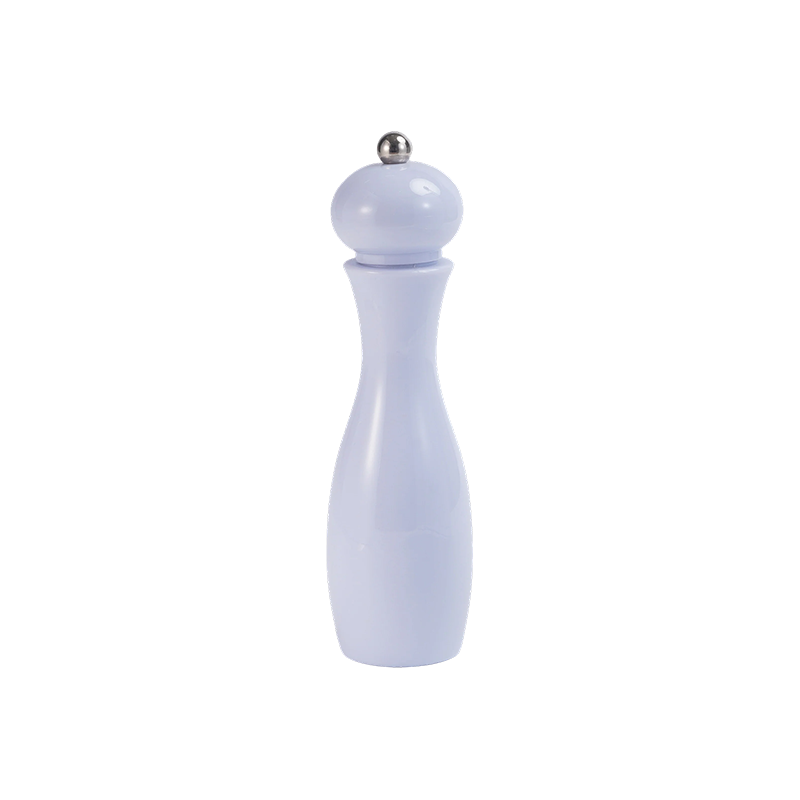
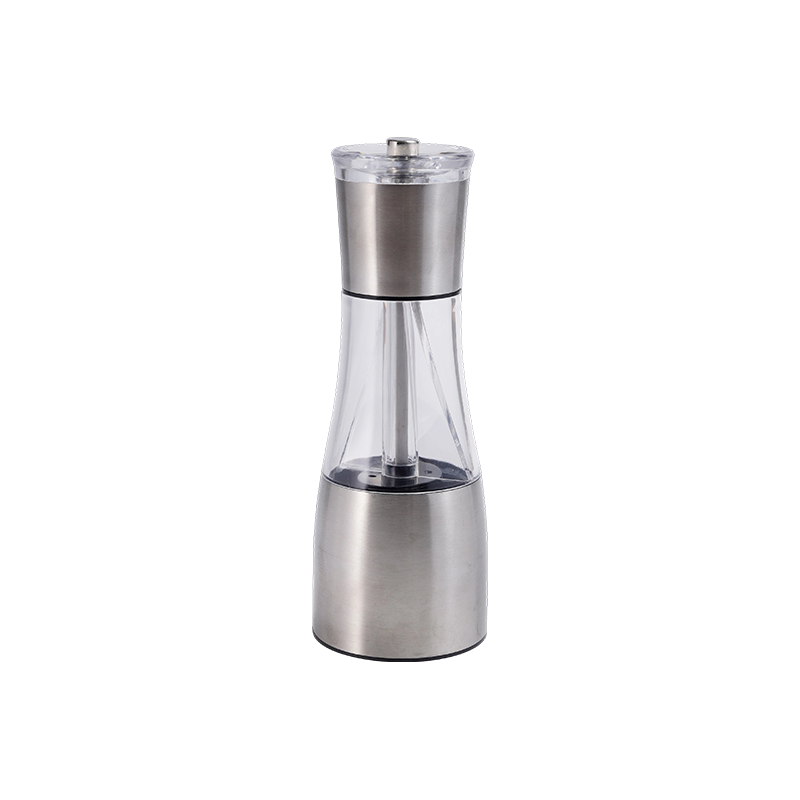
Manual mills operate through mechanical rotation applied by hand. Users twist or turn the top or side of the mill to rotate the internal grinding mechanism, producing ground salt or pepper. The grinding speed and consistency depend on user input, as well as the design and quality of the internal mechanism. In contrast, electric mills use a motor powered either by batteries or USB-rechargeable cells to rotate the grinder automatically. Shengrong’s electric models are designed to maintain consistent torque and rotation speed, reducing the physical effort required from the user while providing steady grind performance.
Grinding Consistency and Speed
The consistency of the ground spices varies between manual and electric mills. Manual mills rely on uniform user rotation, which may result in uneven particle sizes if pressure or speed varies. Electric mills, on the other hand, provide steady rotation, which typically yields more uniform results. Shengrong’s electric grinders are calibrated to balance speed and torque, allowing consistent grinding of various salt crystals and peppercorn sizes without excessive strain on the internal components. This can be particularly useful when preparing dishes that require precise seasoning.
User Effort and Convenience
Manual mills require physical effort for each use, which may be negligible for occasional seasoning but can be noticeable when grinding larger quantities. Shengrong designs manual mills with ergonomic handles and smooth rotation mechanisms to reduce fatigue. Electric mills minimize user effort, as pressing a button or holding a switch initiates the grinding process. Battery-powered or USB-rechargeable options provide portability and repeated use without manual input, offering convenience for frequent users or for those with limited hand strength.
Power Source and Mobility
Manual mills require no external power source, making them inherently portable and simple to maintain. Electric mills rely on batteries or USB charging, which enables continuous automated operation but requires periodic charging or battery replacement. Shengrong offers both options in their electric models, allowing users to choose between rechargeable convenience or the immediate replacement flexibility of disposable batteries. The power source impacts usability, especially in kitchens with limited access to outlets or in outdoor settings.
Maintenance and Cleaning
Both types of mills require regular cleaning to maintain performance. Manual mills generally feature removable grinding components for rinsing or brushing out residue. Shengrong designs its electric mills with detachable whisk or grinder parts that can be rinsed, while the motor and battery compartments remain dry to prevent damage. Proper maintenance of the grinding mechanism, along with careful cleaning of external surfaces, ensures longevity and consistent performance for both manual and electric variants.
Comparison Table of Key Features
| Feature |
Manual Mill |
Electric Mill |
| Operation |
Hand rotation |
Motor-driven (battery or USB-powered) |
| Grinding Consistency |
Depends on user pressure and speed |
Consistent rotation, calibrated torque |
| User Effort |
Requires physical effort |
Minimal effort, push-button operation |
| Power Source |
None, purely mechanical |
Batteries or USB rechargeable |
| Portability |
High, no charging needed |
Moderate, dependent on battery or charge |
| Maintenance |
Removable parts for cleaning |
Detachable grinding parts; keep motor and battery dry |
| Use Case |
Occasional or low-volume grinding |
Frequent or high-volume use with less physical effort |
Material and Durability Considerations
Shengrong selects durable materials for both manual and electric mills. Stainless steel and ceramic are commonly used for grinding components to resist wear and corrosion. Plastic or metal bodies are chosen for strength and handling comfort. The choice of materials supports longevity, consistent performance, and ease of cleaning, ensuring that both types of mills meet household seasoning needs effectively.
User Preferences and Applications
The choice between manual and electric mills often depends on user preferences and kitchen routines. Manual mills offer simplicity, portability, and minimal maintenance, while electric mills provide convenience and reduced physical effort. Shengrong offers a range of models to accommodate these differences, ensuring that both manual and electric options are designed with ergonomic handling, durable components, and reliable grinding performance for diverse household and culinary applications.
FAQ
Q: How does the grind adjustment feature work on Shengrong manual salt and pepper mills?
A: Shengrong manual mills typically include an adjustable mechanism that allows users to change the coarseness of the grind. By rotating the top or bottom of the mill, the gap between the grinding components changes, enabling finer or coarser seasoning according to culinary needs.
Q: What materials are used in Shengrong manual mills to ensure durability?
A: The grinding components are commonly made from stainless steel or ceramic to resist wear and corrosion. The mill body may be constructed from BPA-free plastic, wood, or metal, providing strength and comfortable handling while maintaining longevity.
Q: Are Shengrong manual mills suitable for large-volume grinding?
A: Manual mills are designed primarily for household use and moderate seasoning tasks. While they can handle multiple uses in a row, grinding very large quantities may require more effort, and Shengrong recommends considering electric models for frequent or high-volume use.
Q: How should Shengrong manual mills be maintained for optimal performance?
A: Regular cleaning is important to prevent salt or pepper residue buildup. Removable grinding components can be rinsed or brushed, and the mill body should be wiped with a dry or slightly damp cloth. Proper maintenance helps preserve grinding efficiency and prevents corrosion.
Q: Can Shengrong manual mills handle hard spices such as coarse sea salt?
A: Yes, the mills are designed with durable grinding mechanisms capable of handling harder salts and peppercorns. The torque is generated manually, so users can adjust effort based on spice hardness to achieve the desired grind.
Q: Does the design of Shengrong manual mills reduce the physical effort required for grinding?
A: Shengrong incorporates ergonomic handles and smooth-turning mechanisms to reduce the strain of manual operation. The design ensures that users can grind spices comfortably and efficiently even during extended use.
Q: Are Shengrong manual mills easy to refill?
A: Yes, the top or bottom of the mill typically opens to allow easy refilling of salt or pepper. The design prevents spillage and simplifies daily use, making it convenient to maintain a stocked kitchen supply.
Q: Can Shengrong manual mills be used for specialty spices?
A: These mills are suitable for a range of whole spices beyond salt and pepper, such as coriander seeds or dried herbs, provided the particles are within the capacity and hardness limits of the grinding mechanism. Proper adjustment ensures consistent results.


 English
 русский
 Español
 Deutsch
 عربى
عربى 中文简体
中文简体