Differences Between USB-Rechargeable and Battery-Powered Milk Frothers
Company Background and Product Context
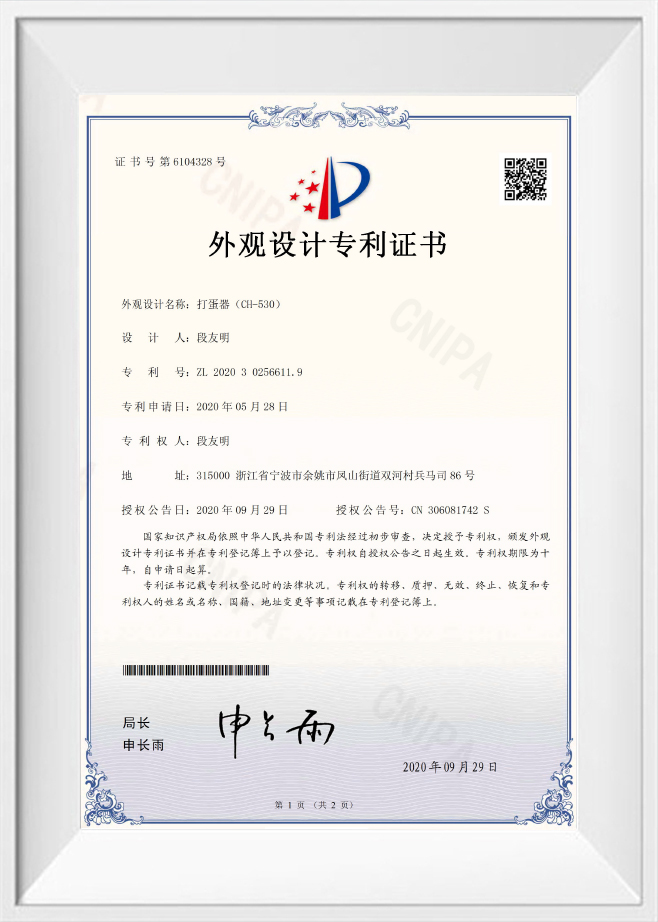
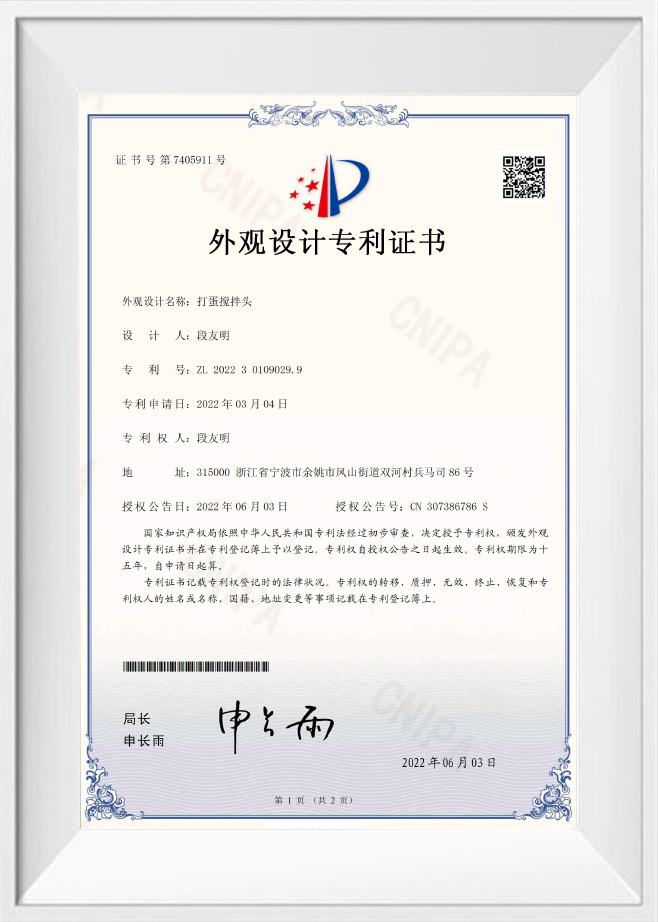
Hangzhou Shengrong Trading Co., Ltd., located in Hangzhou, Zhejiang Province, China, is engaged in the production and management of daily necessities, including household appliances, hardware products, metal daily necessities, kitchen utensils, and plastic products. The company also operates wholesale, import and export services, and technology trade. Within this business framework, Shengrong produces a range of milk frothers, including both USB-rechargeable and battery-powered models. By leveraging its experience in appliance manufacturing, Shengrong focuses on providing practical features, such as easy cleaning and reliable frothing performance, while accommodating different user preferences for power supply and portability.
Power Supply Differences
The primary difference between USB-rechargeable and battery-powered milk frothers lies in the source of power. USB-rechargeable frothers contain built-in rechargeable batteries that can be charged using a USB cable connected to a power source, such as a wall adapter, computer, or portable charger. This design allows repeated use without the need for disposable batteries, making it convenient for frequent users. In contrast, battery-powered frothers rely on replaceable batteries, usually AA or AAA, which can be swapped when depleted. This option provides immediate power replacement without requiring charging time, which can be beneficial for occasional users or in situations without access to a USB power source.
Design and Portability Considerations
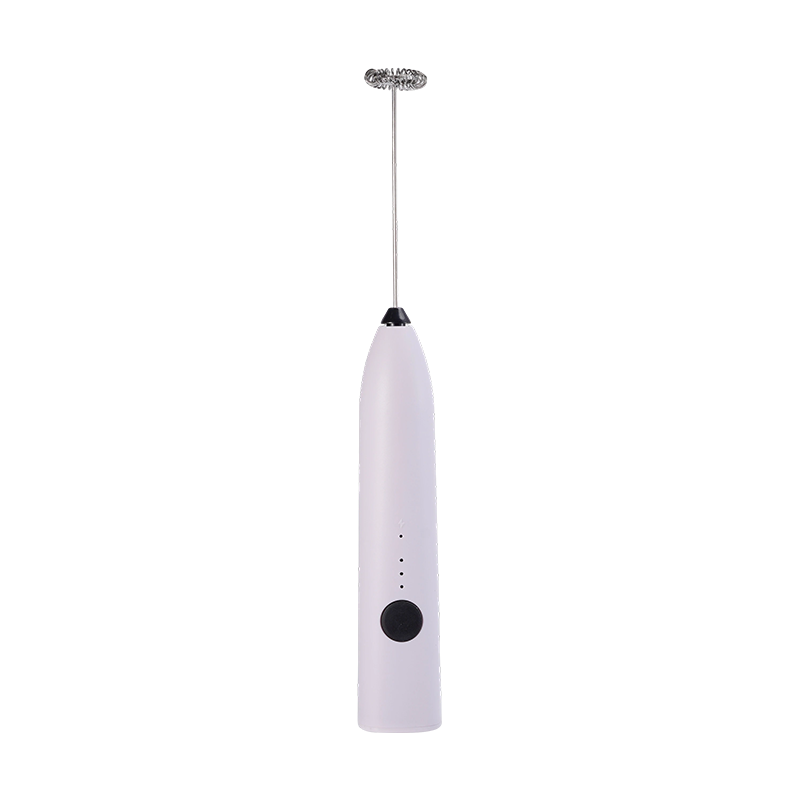
USB-rechargeable frothers are typically designed with integrated battery compartments and charging ports, which may slightly increase the overall size of the handle or body compared to battery-powered frothers. Shengrong’s design approach emphasizes ergonomic handling and balanced weight, even with the additional components. Battery-powered frothers often have a simpler design, with a compartment for disposable batteries, making them lighter and easier to carry. Both types are intended for portable use, but USB models provide a more sustainable solution by reducing battery waste, while battery-powered models offer convenience in environments without USB access.
Charging and Operating Time
USB-rechargeable frothers offer operation based on the capacity of the internal battery. Shengrong’s rechargeable models are designed to allow multiple uses on a single full charge, depending on the milk volume and frothing duration. Charging is done via standard USB cables and generally requires one to several hours, depending on the battery size. Battery-powered frothers operate until the disposable batteries are depleted. Users must replace batteries to continue operation. The choice between these types may depend on user preferences for convenience, availability of charging sources, and environmental considerations.
Cleaning and Maintenance
Both USB-rechargeable and battery-powered frothers from Shengrong feature detachable whisk heads for cleaning. The whisk can be removed and rinsed under warm water with mild detergent. The body of the frother, including the battery or USB compartments, must be kept dry. In USB-rechargeable models, care should be taken not to expose the charging port to water. Regular cleaning routines are recommended for both types to maintain hygiene and ensure long-term performance of the frother. Material selection, such as stainless steel for the whisk and BPA-free plastic for the body, supports ease of cleaning and durability.
Comparison Table of Key Features
| Feature |
USB-Rechargeable Frother |
Battery-Powered Frother |
| Power Source |
Built-in rechargeable battery via USB cable |
Replaceable AA or AAA batteries |
| Portability |
Lightweight, but slightly larger handle due to battery and port |
Compact and simple, lighter overall |
| Operation Time |
Multiple uses per charge, dependent on battery capacity |
Until disposable batteries are depleted |
| Maintenance |
Detachable whisk, keep charging port dry |
Detachable whisk, keep battery compartment dry |
| Environmental Consideration |
Reduces disposable battery waste |
Requires periodic battery replacement |
User Experience Differences
USB-rechargeable frothers provide convenience for users who prefer repeated use without frequent battery changes. They can be charged anywhere a USB power source is available, making them suitable for home, office, or travel. Battery-powered frothers are advantageous in scenarios where charging is not feasible, offering instant power replacement. Shengrong’s product development balances these considerations, ensuring both types of frothers maintain ergonomic handling, consistent frothing performance, and easy cleaning to meet varied consumer needs.
Material and Durability Considerations
Shengrong selects materials for both types of frothers to enhance longevity and ease of maintenance. Stainless steel whisks resist corrosion and allow gentle scrubbing, while the frother body uses BPA-free plastics designed for durability and safe handling. Detachable components reduce stress on moving parts and facilitate thorough cleaning. For USB-rechargeable frothers, the internal battery is secured to prevent leaks or short-circuits, while battery-powered models are designed to securely hold disposable batteries without compromising the frother’s structural integrity.
FAQ
Q: How long can a USB-rechargeable milk frother from Hangzhou Shengrong operate on a full charge?
A: The operation time depends on the model and battery capacity, but Shengrong USB-rechargeable frothers are designed to allow multiple frothing cycles on a full charge. Users should refer to the product manual for specific duration estimates based on usage and milk volume.
Q: Is it safe to charge Shengrong USB-rechargeable frothers while cleaning the whisk?
A: No, the whisk should be detached and the frother body kept dry during cleaning. The charging port and motor unit must not come into contact with water to avoid potential damage or electrical hazards.
Q: Can Shengrong USB-rechargeable milk frothers be used for both hot and cold milk?
A: Yes, these frothers are compatible with a range of milk temperatures. Users should follow manufacturer recommendations to avoid exceeding the temperature limits, ensuring safety and protecting the appliance components.
Q: What maintenance is recommended to extend the life of a Shengrong USB-rechargeable frother?
A: Regular cleaning of the detachable whisk, wiping the frother body dry, and proper handling of the charging port are essential. Periodically inspecting the whisk and body for wear or damage helps maintain consistent performance.
Q: How does using a USB-rechargeable frother compare to battery-powered models in terms of convenience?
A: USB-rechargeable frothers allow repeated use without changing batteries, offering convenience for frequent users. They can be charged through standard USB sources, while battery-powered models require periodic replacement of disposable batteries.
Q: Are there any special materials used in Shengrong USB-rechargeable frothers that affect cleaning?
A: Shengrong frothers use stainless steel for the whisk and BPA-free plastics for the body, which resist staining and allow gentle cleaning. Detachable parts facilitate thorough cleaning while protecting electrical components.
Q: Can Shengrong USB-rechargeable frothers be used while traveling?
A: Yes, they are designed for portability and can be charged via USB from power banks, laptops, or USB adapters. The compact design and rechargeable battery make them suitable for use in different environments without relying on disposable batteries.
Q: What precautions should be taken when charging the frother in a humid environment?
A: Users should ensure the frother is completely dry before connecting it to a USB power source. Exposure to moisture during charging could damage the internal electronics and reduce the appliance’s lifespan.


 English
 русский
 Español
 Deutsch
 عربى
عربى 中文简体
中文简体