

 English
 русский
 Español
 Deutsch
 عربى
عربى 中文简体
中文简体
This dual-function device combines egg whisking and milk frothing, allowing users to seamlessly switch between tasks without using multiple devices. I...
See Details

Can You Use Creamer in a Milk Frother? Yes - Here's How to Get It Right
Content
You pour your morning coffee and reach for the milk, but it's empty. You grab the bottle of creamer that sits in the door instead. The question is simple: can you use creamer in a milk frother? Yes, you can, but the foam will not be identical to whole milk. The key is understanding what is in your creamer and adjusting your technique.
What Makes Creamer Froth Differently?
Milk frothers work by pushing air into liquid and creating tiny bubbles that expand. Milk contains proteins that wrap around these bubbles and hold the foam structure. Creamer generally has less protein. Most commercial liquid creamers are made from water, sugar, vegetable oil, and emulsifiers. That mixture can still foam, but the foam is usually thinner and collapses faster than milk foam. The table below shows how common creamer types perform in a frother.
The key variable is protein. Creamers that list milk, whey, or soy protein in the first few ingredients tend to hold foam better. Plant-based creamers often rely on added stabilizers such as carrageenan or guar gum to mimic that effect. Check the label before you buy if a stable froth is your priority.
Emulsifiers also play a role. Many creamers use mono- and diglycerides or lecithin to keep the oil and water mixed. These same ingredients can help stabilize the air bubbles during frothing, which is why some commercial creamers foam unexpectedly well. The longer the ingredient list, the more likely the product is engineered for a stable texture.
| Creamer Type | Fat Content | Protein Content | Frothing Result |
|---|---|---|---|
| Whole dairy milk | 3.25% | High | Thick, stable microfoam |
| Half-and-half | 10 to 18% | Moderate | Rich but heavy foam |
| Liquid coffee creamer | Varies, often 0 to 5% | Low or absent | Thin, fast-fading foam |
| Non-dairy creamer | Varies, often 0 to 10% | Low | Froths if stabilizers are present |
| Powdered creamer | Contains palm oil | None | Clumps unless mixed into liquid |
How to Froth Creamer with a Handheld Milk Frother
A handheld frother gives you direct control over the texture, which matters when you are working with a liquid that does not foam as easily as milk. The battery-powered handheld electric milk frother from our catalogue is a good example of a simple tool that can handle this job.
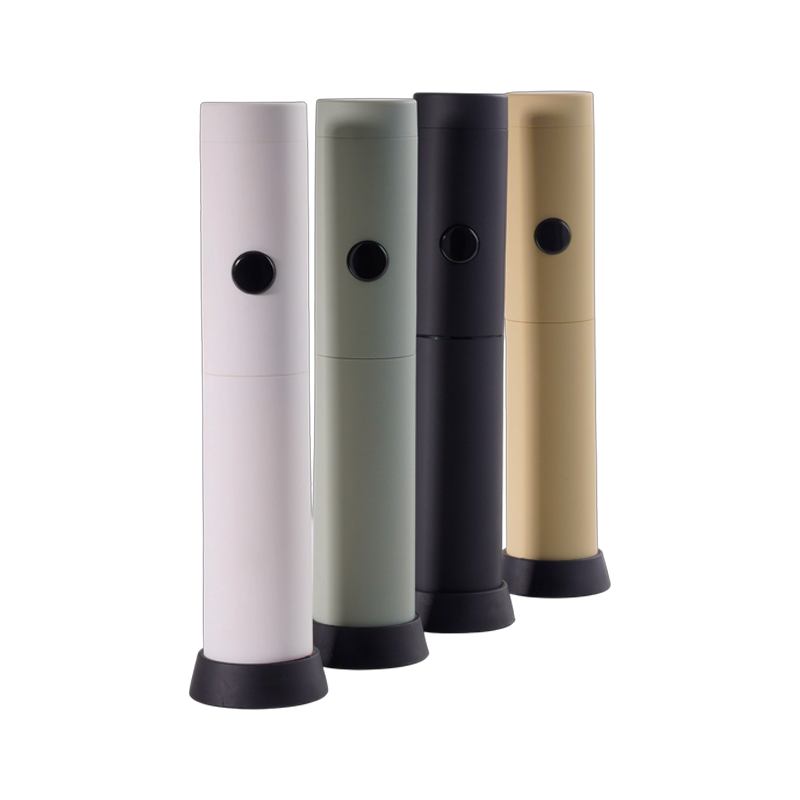 Battery-Powered Handheld Milk Frother for Travel and Home UseThis cordless frother runs on two AA batteries, making it easy to use anywhere. It quickly creates foam for lattes and cappuccinos, and its simple operation fits well when you need a portable backup or a compact tool for single servings.View Product →
- Warm the creamer slightly if it is cold. Warmer liquid traps air more easily than cold liquid.
- Pour about 1/4 cup (60 ml) of creamer into a tall, narrow container.
- Immerse the frother whisk head fully in the liquid before turning it on.
- Keep the whisk just below the surface and raise it gently as the creamer expands.
- Stop after 15 to 30 seconds. The foam should be light and glossy, not stiff and dry.
If You Do Not Have a Handheld Frother
A French press or a sealed glass jar can work as a backup. Fill the jar one third full, shake vigorously for 30 seconds, and pour the foam directly into your coffee. The result will be coarser and less stable than what a frother produces, but it is useful when you are traveling or away from a kitchen outlet.
Using a handheld frother with creamer is a low-risk experiment. If the foam does not look right, you can simply pour the creamer directly into the coffee as usual. That is why we recommend testing with a small amount at first.
Practical Considerations Before You Froth Creamer
Before you pour creamer into your frother, keep these points in mind. They affect the final texture, the taste of your coffee, and how long your equipment lasts.
- Sweetened creamers leave sticky sugar residue. Rinse the frother immediately after every use.
- High-fat creamers produce richer foam, but too much fat can weigh the foam down.
- Do not overheat dairy-based creamer above 160 degrees F (71 C). It can scorch and lose its smooth taste.
- Non-dairy creamers vary widely. Check the ingredient list for stabilizers if you want reliable foam.
- If you use a creamer with swirls or syrups, those additives can clog the fine whisk head.
Another practical detail is the container. A wide cup will not allow the whisk to generate enough velocity. Choose a container that is at least 2 inches (5 cm) deeper than the liquid height, so the foam can rise without spilling over.
For a more detailed comparison of battery-powered and USB rechargeable frothers, read our guide on the topic.
Will Frothing Creamer Change Its Taste or Texture?
When you froth creamer, the air bubbles make the liquid feel lighter and slightly thinner on the tongue. The flavor stays essentially the same, but the added air can make sweet creamer taste less syrupy. If you prefer a richer mouthfeel, use half-and-half or a creamer with no added sugar. If you want the same taste as your usual coffee, frothed creamer will still bring the same flavor profile, just with a different texture. For example, a vanilla or hazelnut creamer will maintain its flavor when frothed, but you may notice that the foam tastes less sweet than the liquid itself.
Tips for Getting Consistent Foam Every Time
- Use a fresh creamer that has been refrigerated and opened within 7 days.
- Always start with a small amount and add more after frothing.
- Shake the creamer bottle before pouring to mix the oil back into suspension.
- Do not fill the container more than halfway, because the foam needs room to expand.
- If your creamer is very thick, dilute it with a spoonful of water or milk before frothing.
If the foam is still too weak, add a splash of whole milk to the creamer before frothing. The extra protein will help the bubbles hold together without changing the sweetness much. Consistency comes from repetition. Test your creamer with the same container and the same volume each morning, and you will quickly learn how long it takes to reach your preferred texture.
Choosing a Milk Frother That Handles Creamer Well
If you plan to froth creamer regularly, your choice of machine makes a real difference. A USB rechargeable milk frother with speed settings lets you adjust how much air you inject, while a stainless steel automatic frother with a base provides hands-free operation and can make larger portions.
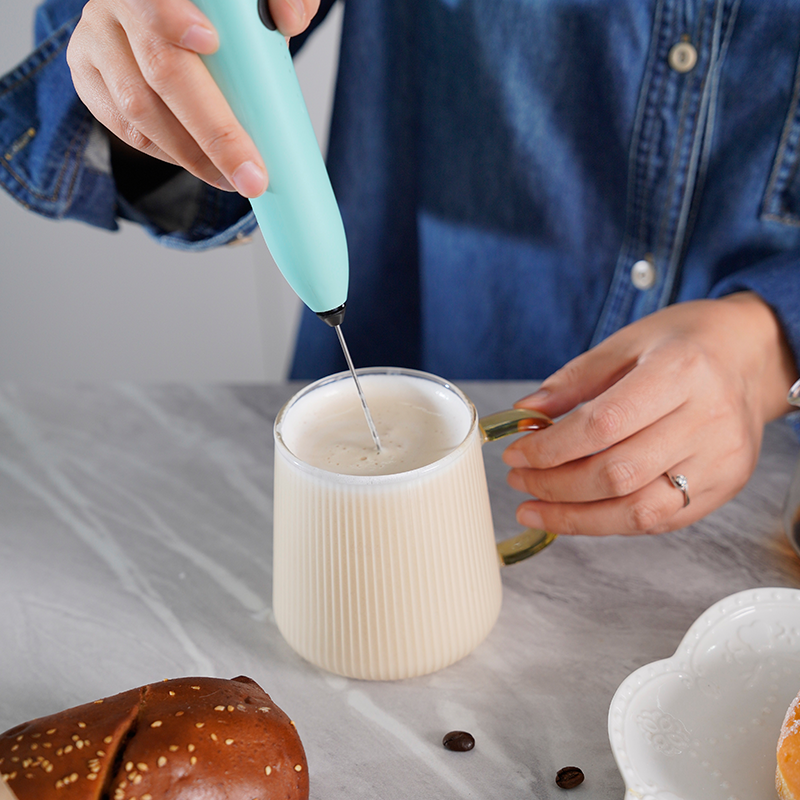 USB Rechargeable Milk Frother with Three Speed SettingsIts slender body and three speeds let you adjust foam texture for different milks, from delicate warm foam to rich cold foam. The rechargeable design and lightweight build make it a versatile choice for everyday use.View Product →
 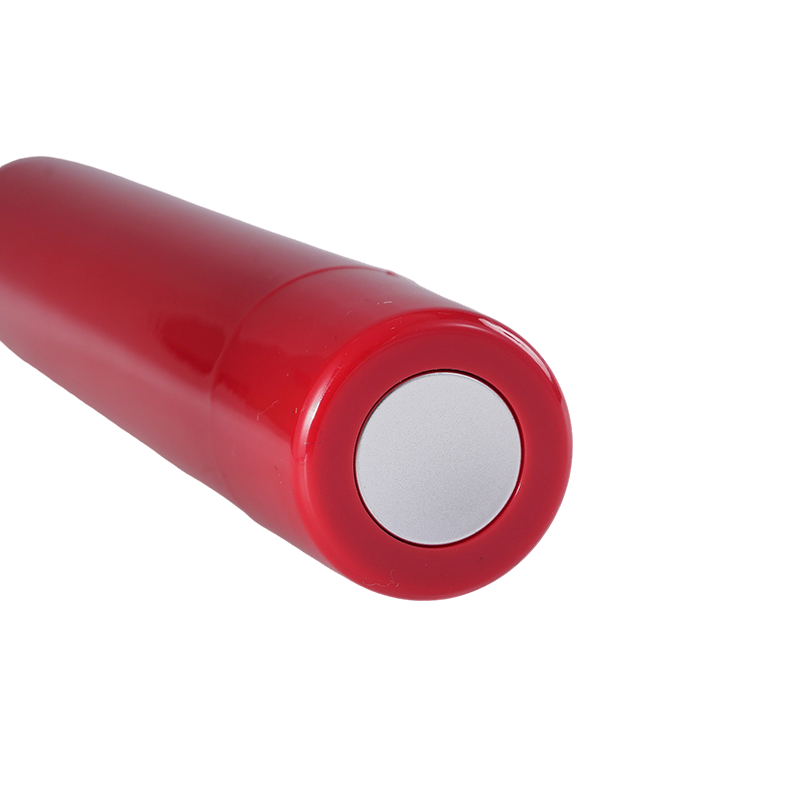 Stainless Steel Automatic Milk Frother with Stable BaseThis automatic frother runs on two AA batteries and features a stainless steel shaft with a base for stability. It delivers consistent creamy foam in seconds, ideal for hands-free frothing when preparing multiple drinks.View Product →
These two machines have removable parts that can be rinsed under warm water, which makes cleaning sugar residue from sweetened creamers much easier. If you prefer a simple routine, the battery-powered handheld model is a compact choice for one cup at a time. If you often make coffee for two people, an automatic model saves you from holding a handheld whisk for a full minute.
Using creamer in a milk frother is possible and can be a convenient shortcut when you run out of milk. To get the best result, use a creamer with a bit of protein or stabilizer, start with a small amount, and keep your frother clean. Remember that foam made from creamer will never be as tall as milk foam, but it can still give you a velvety mouthfeel when used correctly. Try it tomorrow morning with a small test batch, and you will know immediately whether the creamer in your fridge is a good candidate. If you have further questions about what your frother can do, our FAQ page covers common scenarios and troubleshooting steps.
Related products
-
-
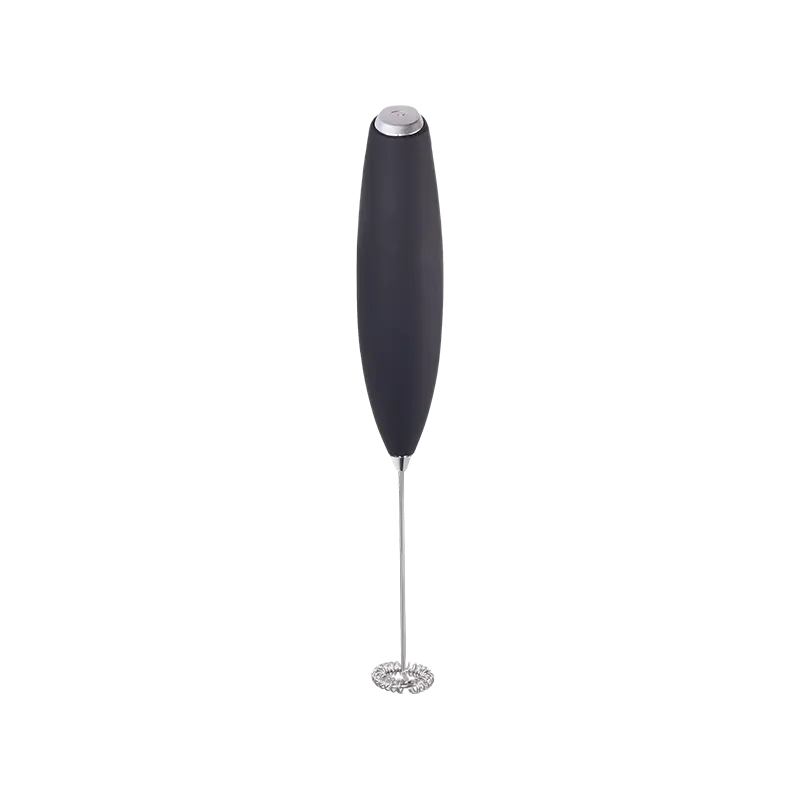
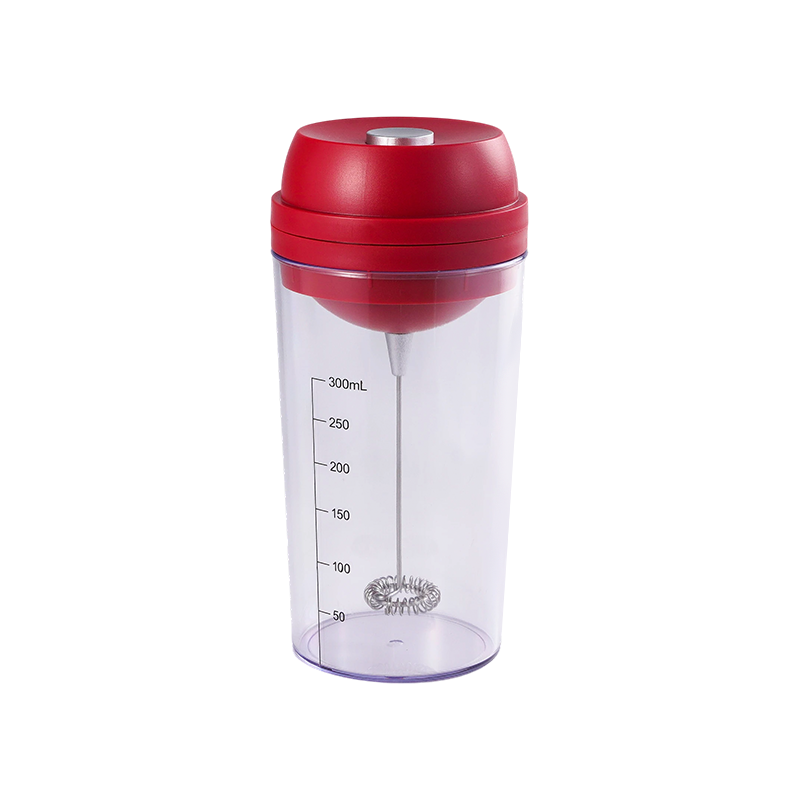
The Battery Powered Coffee Milk Drink Electric Whisk Mixer features a sleek and compact design, measuring just 3.7 x 3.2 x 23 cm, making it easy to ca...
See Details -
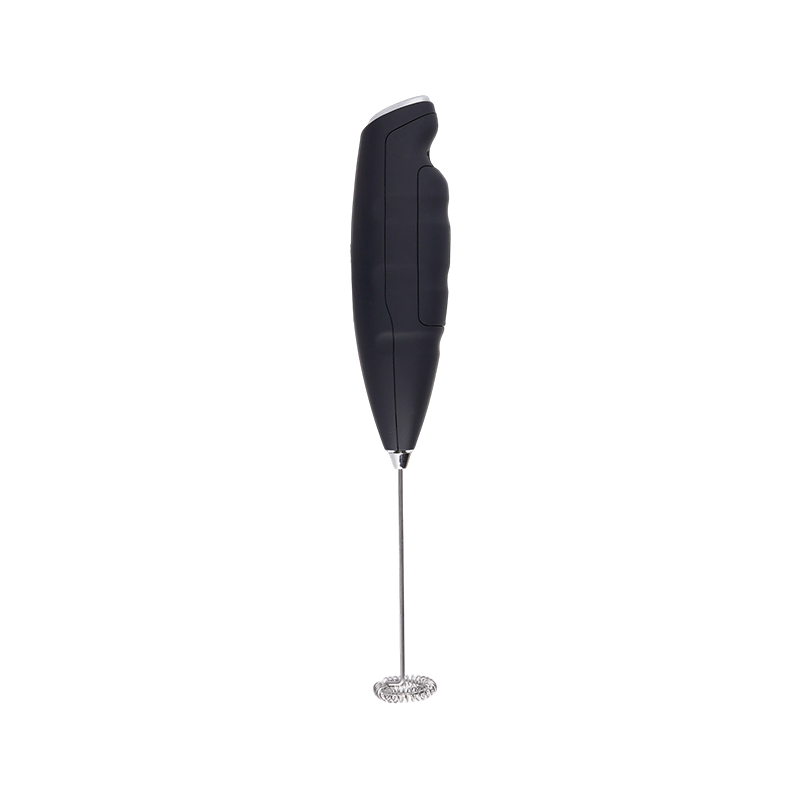
The Battery Powered Coffee Milk Drink Electric Whisk Mixer features a sleek and compact design, measuring just 3.8*3.5*23.8 cm, making it easy to carr...
See Details -
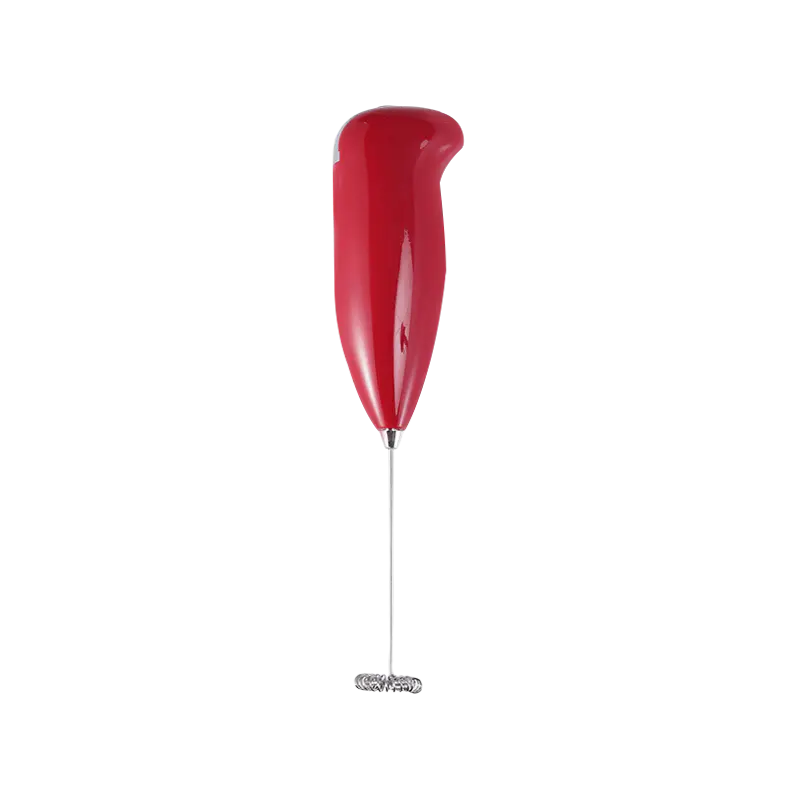
One of the most prominent features of this coffee stirrer is its automatic rotating stirring mechanism. The stirrer is powered by two AA batteries, an...
See Details -
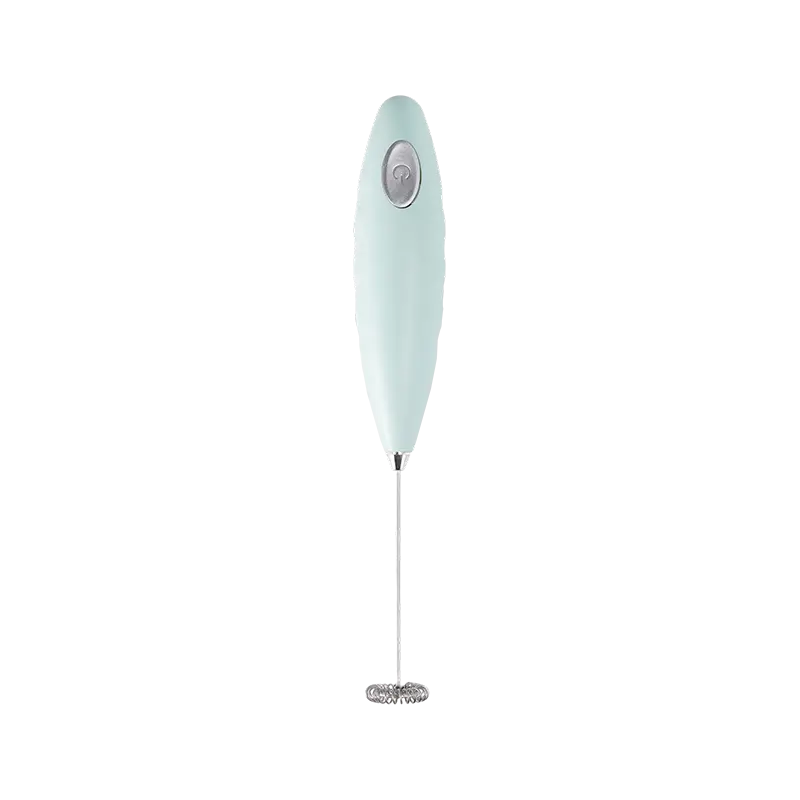
Designed for coffee enthusiasts, casual drinkers, and those seeking convenient milk frothing, this device combines portability, ease of use, and effic...
See Details -
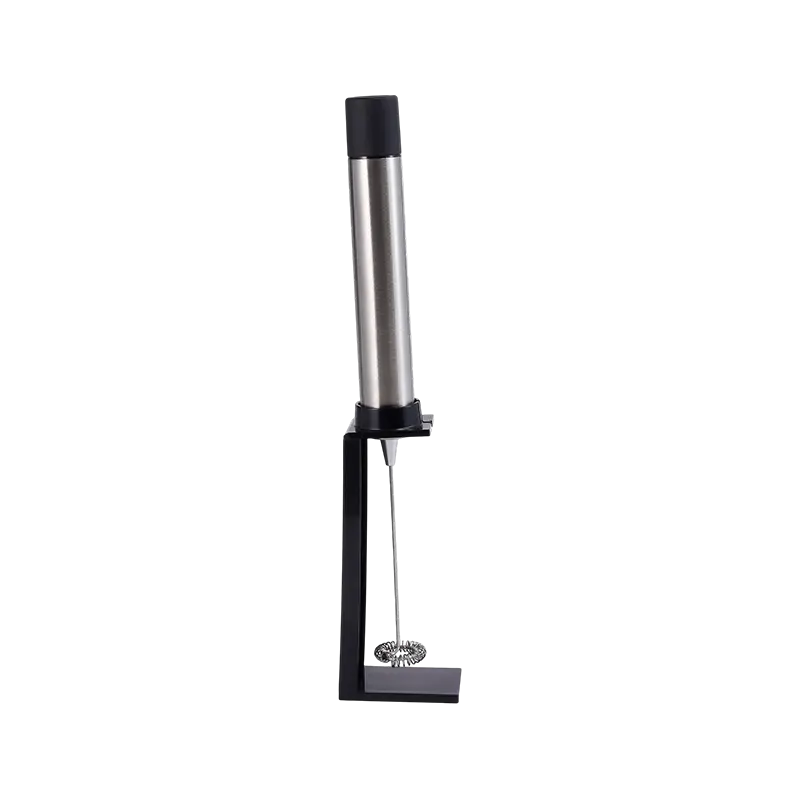
The stainless steel automatic electric milk frother with base measures 4x4x28 cm and weighs 62 grams, making it compact and portable. The outer carton...
See Details
News
-
Yes, You Can Make Cold Foam with Creamer Yes, you can make cold foam with coffee creamer. The resul...
READ MORE -
Regular Cleaning After Every Use Is the Single Most Important Thing You Can Do for Your Frother's L...
READ MORE -
Yes, cream can be frothed just like milk Heavy cream, half-and-half, and even some coffee creamers ...
READ MORE -
To clean and maintain an electric wine opener effectively, wipe the worm and exterior after every u...
READ MORE
If you are interested in our products, please consult us
-
Product
Electric Milk Frother Electric Salt & Pepper Mill Manual Salt & Pepper Mill Electric Wine Opener -
Quick Links
About Us Products Service FAQ News -
Contact Information
Room 1704, Building 4, Zhenaoyuan, Xixing Street, Binjiang District, Hangzhou City, Zhejiang Province, China+86-13429230897 -

Copyright © Hangzhou Shengrong Trading Co., Ltd. All Rights Reserved.
 Custom Automatic Electric Milk Frother Manufacturers
Custom Automatic Electric Milk Frother Manufacturers