An Electric Milk Frother is one of the simplest and most impactful kitchen tools for anyone who enjoys coffee, tea lattes, hot chocolate, or any beverage that benefits from a layer of smooth, velvety foam. With a quality electric frother in hand, the creamy cappuccinos, flat whites, and macchiatos that once required a visit to a coffee shop can be recreated at home in under a minute, at a fraction of the cost, and with the exact texture and temperature that personal preference demands. The transformation from plain warm milk to dense, stable microfoam suitable for latte art or the light, airy froth topping a cappuccino is entirely a function of how aggressively and consistently the milk is aerated, and an Electric Milk Frother performs this process faster, more consistently, and with less physical effort than any manual method.
The direct conclusion for anyone choosing between the major Electric Milk Frother types is this: Battery-Powered Milk Frothers are the most accessible entry point for occasional home use, requiring no charging infrastructure and offering complete portability, but they deliver declining performance as battery charge drops and generate ongoing battery replacement costs; USB Rechargeable Milk Frothers solve both the performance consistency and the waste problems of battery powered designs while adding a small upfront cost premium that is recouped within a few months of regular use for most consumers. This article follows your preferred outline to cover the full practical landscape of Electric Milk Frothers, from the fundamental value of electric frothing over manual methods through to detailed comparison of Battery-Powered Milk Frothers and USB Rechargeable Milk Frothers, selection criteria, usage technique, and maintenance.
Why an Electric Milk Frother Is a Game Changer for Coffee Lovers
The experience of making a cafe quality coffee drink at home has historically been limited by one critical step: the quality of the milk foam. Espresso machines have become increasingly accessible at consumer price points, and high quality coffee beans are now available in supermarkets and online. But for many home coffee makers, the milk foam remains the weakest element of the homemade coffee experience, produced by methods that are either too slow, too inconsistent, or too effortful to be practical as part of a daily routine.
The Limitations of Manual Frothing Methods
Manual milk frothing options available to home users include French press plunging (pushing the plunger up and down through warm milk to incorporate air), jar shaking (vigorously shaking milk in a sealed jar to create foam), and whisk based hand frothing. Each of these methods is capable of producing foam, but each has significant practical limitations:
- French press frothing requires sustained pumping effort for 30 to 60 seconds and produces inconsistent foam quality that varies with pumping speed and vigor. The resulting foam is often coarser in texture than electric frother foam and collapses more rapidly after pouring.
- Jar shaking produces reasonable foam for cold applications but requires heating the milk separately, making the process two steps instead of one. It also produces large, unstable bubbles rather than the microfoam texture that creates the smooth mouthfeel associated with professional milk based drinks.
- Hand whisking is the most effortful of all manual methods, requiring 1 to 2 minutes of sustained wrist action to generate meaningful foam volume, and producing variable results depending on the user's technique and energy on any given day.
An Electric Milk Frother eliminates all of these limitations simultaneously. The spinning whisk head of a handheld frother reaches speeds of 12,000 to 19,000 RPM in quality models, generating the fine bubble microfoam structure in 15 to 30 seconds that would take 60 to 120 seconds to achieve by hand. The consistent rotational speed of the electric motor produces uniform aeration throughout the frothing cycle, resulting in foam with stable bubble structure, consistent volume, and predictable texture that holds its shape for several minutes after preparation.
Time, Energy, and Texture Advantages of Electric Frothing
The time saving from using an Electric Milk Frother over manual methods is substantial when considered across daily coffee preparation. For someone who makes a frothy coffee drink every morning, the difference between 15 seconds with an Electric Milk Frother and 90 seconds with a French press adds up to approximately 12 hours per year saved on the frothing step alone. The reduction in physical effort (zero sustained effort versus active pumping or whisking) is also significant for daily use before the day has fully begun. Beyond the practical time and effort savings, the texture advantage of electric frothing is the most commercially significant benefit: professional baristas consistently produce better foam texture with electric or steam powered tools than with any manual method, and the same fundamental physics applies to home use.
Understanding the Types of Electric Milk Frothers: Handheld vs Countertop
The Electric Milk Frother market divides broadly into two physical form factors: handheld (wand style) frothers and countertop (jug style) frothers. These categories differ fundamentally in how they operate, what features they offer, and which use cases they serve best.
Handheld Electric Milk Frothers
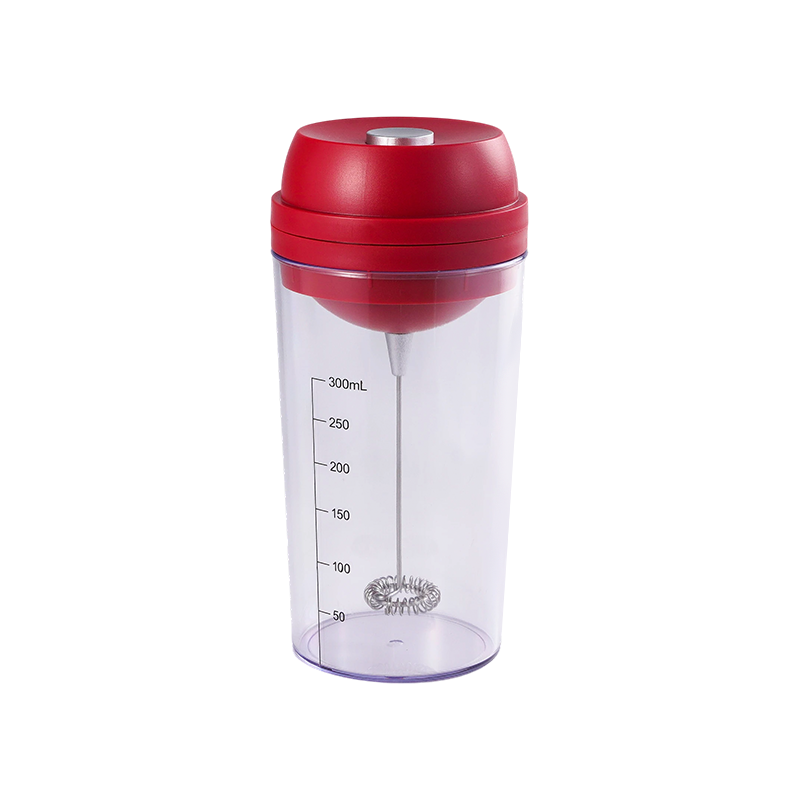
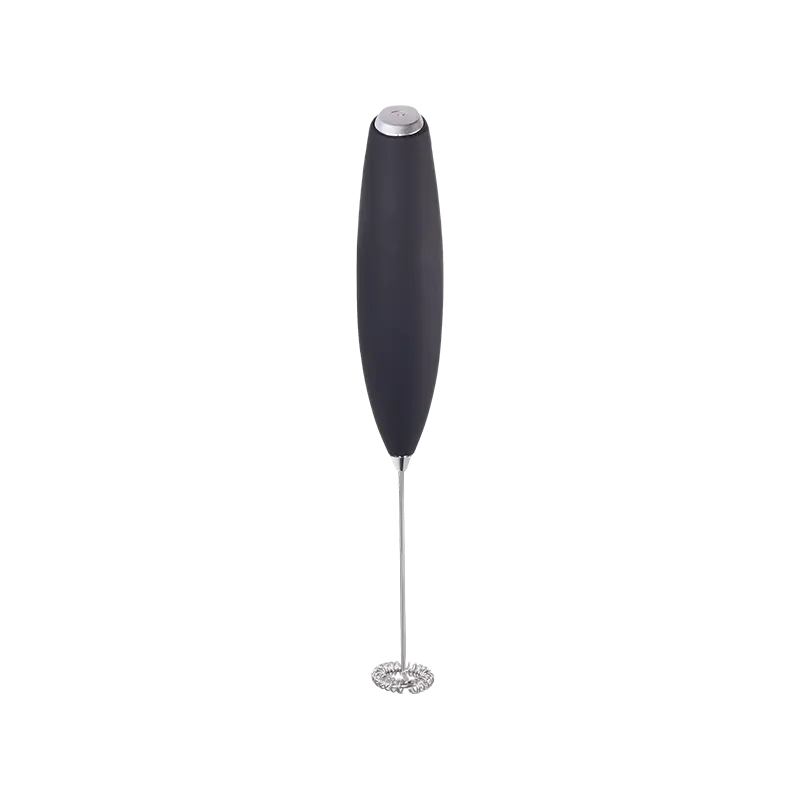
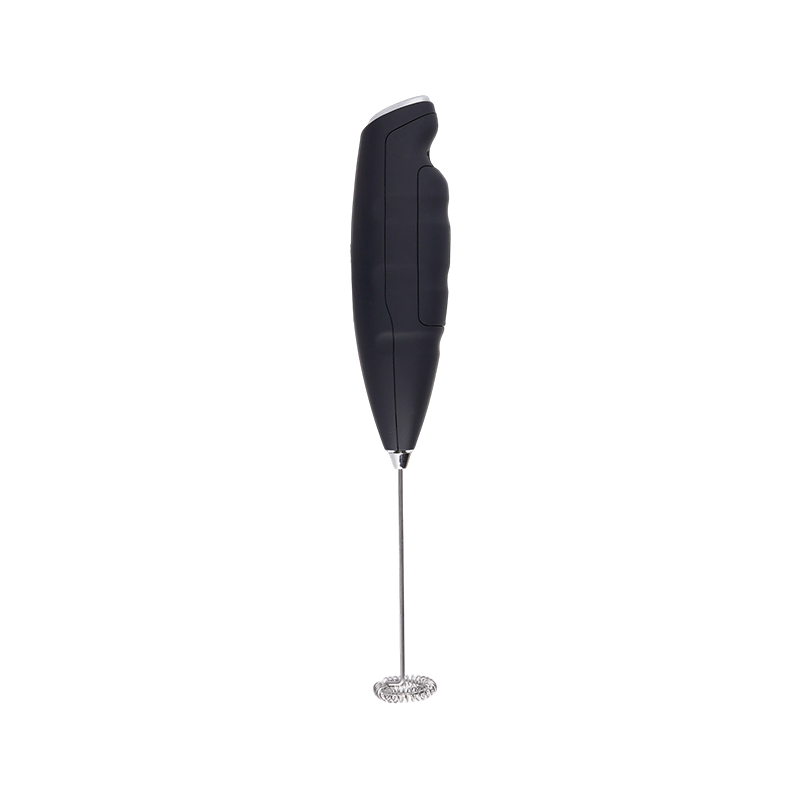
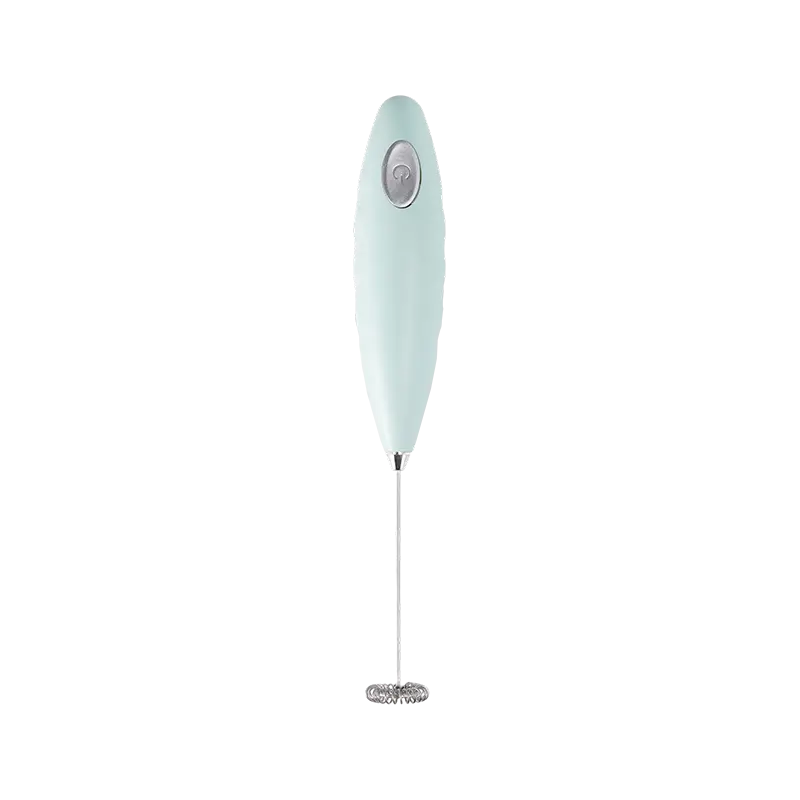
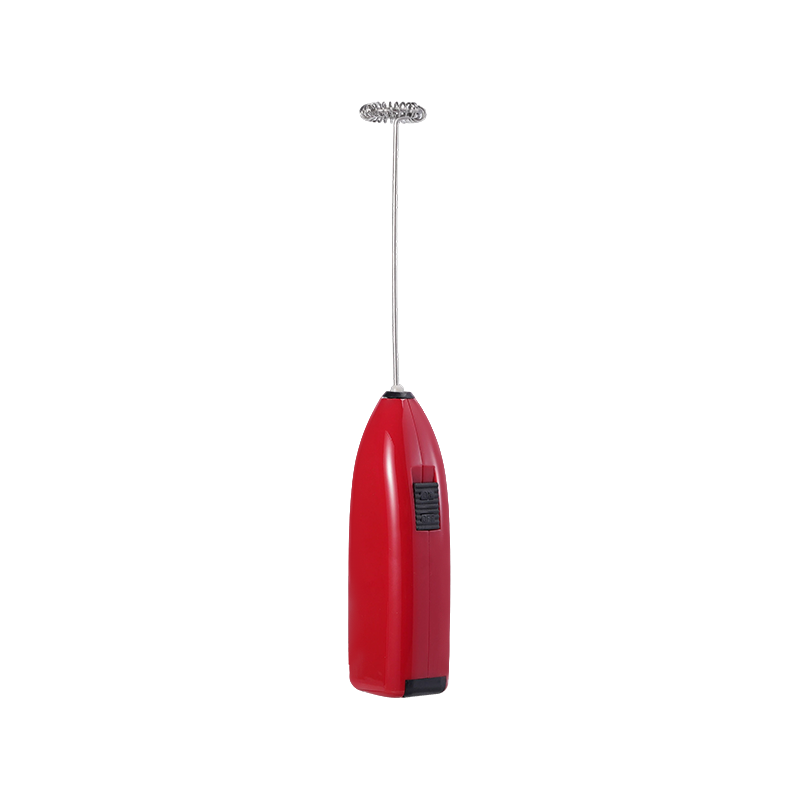
A handheld Electric Milk Frother is a wand shaped device with a spinning whisk coil at its lower tip, powered by batteries or a rechargeable internal battery. The user holds the wand in the milk container, submerges the whisk below the milk surface, and activates the motor by pressing a button. The spinning whisk creates a vortex of air into the milk from below, rapidly generating foam. Handheld frothers are the dominant product in the consumer Electric Milk Frother category for several reasons:
- Compact storage: A handheld frother typically measures 15 to 25 cm in length and 3 to 4 cm in diameter, requiring minimal drawer or counter storage space.
- Low purchase cost: Quality handheld frothers are available at retail prices from $8 to $30, making them accessible to virtually all budget levels and low risk to try for first time frother users.
- Versatility of use location: Because handheld frothers operate independently of countertop power outlets, they can be used in any room, in an office, on a hotel bedside table, or in any location where a mug of milk is accessible.
- Easy cleaning: The whisk tip is the only part that contacts milk, and rinsing it under running water immediately after use is sufficient for daily hygiene maintenance in most cases.
Countertop Electric Milk Frothers
Countertop Electric Milk Frothers are self contained jug appliances, similar in concept to a small electric kettle, that heat and froth the milk simultaneously in an enclosed vessel. The user pours cold milk into the jug, selects the desired function (hot froth, cold froth, or hot milk without foam depending on the model), and the appliance automates the entire process, shutting off when complete. Premium countertop models from brands including Nespresso, De'Longhi, and Breville can produce frothed hot milk at a preset temperature in 90 to 120 seconds with a single button press, with multiple froth density settings that allow the user to choose between the thick, dense foam of a cappuccino, the velvety microfoam of a flat white, and the light, airy froth of a macchiato. The trade offs are size, cost ($40 to $150 for quality models), and the requirement for a mains power outlet during operation.
Battery-Powered Milk Frothers: A Deep Dive
Battery-Powered Milk Frothers are handheld Electric Milk Frothers that draw their operating power from replaceable batteries, typically one or two AAA cells housed in the handle section of the device. This power delivery approach defines both the strengths and the limitations of this product category.
The Advantages of Battery-Powered Milk Frothers
Battery-Powered Milk Frothers offer genuine practical advantages that make them the appropriate choice for certain users and use contexts:
- Complete portability without charging infrastructure: A Battery-Powered Milk Frother requires only a set of batteries to operate, with no USB cable, charging dock, or wall outlet needed. For users who regularly make coffee drinks in locations without convenient charging points (offices, hotel rooms, campsites, boats), this independence from charging infrastructure is a genuine and practical advantage that a USB Rechargeable Milk Frother cannot match if the battery is depleted.
- Immediate readiness after battery replacement: When fresh batteries are installed, a Battery-Powered Milk Frother is immediately at full operating power, with no waiting period for a charge cycle. Replacing batteries takes approximately 60 seconds, compared to the 60 to 90 minutes charging time of most USB rechargeable models. For users who forget to charge their devices and find themselves needing a frother in the morning with a depleted rechargeable unit, a pack of spare batteries resolves the problem immediately.
- Lower initial purchase price: Entry level Battery-Powered Milk Frothers are available at retail prices as low as $6 to $10, making them the most affordable way to experience electric frothing. This price point also makes them practical as gifts, travel accessories, or office kitchen additions where the total investment must be minimal.
The Disadvantages of Battery-Powered Milk Frothers
The advantages of Battery-Powered Milk Frothers must be weighed against two significant practical disadvantages that affect both the user experience and the total cost of ownership:
- Power fade as batteries discharge: The most noticeable operational limitation of Battery-Powered Milk Frothers is the progressive decline in motor speed as the batteries discharge during their service life. A fresh set of AAA alkaline batteries delivers approximately 1.5 volts per cell (3 volts for a two battery unit), but this voltage drops continuously from the first moment of use. As the battery voltage drops from 3V to 2.4V (a decline that typically occurs within 5 to 10 frothing sessions with standard alkaline cells), the motor speed declines proportionally and the frothing time required to achieve the same foam volume increases from 20 to 30 seconds at full power to 40 to 60 seconds at reduced power. Near the end of battery life, frothing quality deteriorates to the point where the foam produced is noticeably coarser and less stable than fresh battery performance.
- Environmental and financial cost of battery replacement: A user who frothing milk twice daily and changes their frother batteries every 2 to 3 weeks will consume approximately 17 to 26 pairs of AAA batteries per year. At a retail cost of $0.50 to $1.00 per battery, this represents an annual operating cost of $17 to $52 in batteries alone, in addition to the environmental burden of disposing of 34 to 52 alkaline battery cells annually. Compared to the near zero per use energy cost of a USB rechargeable model, this ongoing cost is significant over a multi year ownership period.
USB Rechargeable Milk Frothers: A Deep Dive
USB Rechargeable Milk Frothers are handheld Electric Milk Frothers that contain an internal lithium ion or lithium polymer rechargeable battery, charged through a USB port via a micro USB, USB C, or proprietary magnetic charging cable. These devices deliver consistent power output throughout the discharge cycle of the internal battery, providing a fundamentally different and in most respects superior operational experience compared to Battery-Powered Milk Frothers for regular home use.
The Advantages of USB Rechargeable Milk Frothers
- Consistent motor speed throughout charge cycle: Lithium ion and lithium polymer batteries deliver a near flat voltage discharge profile, maintaining close to their nominal voltage for the majority of their discharge cycle before dropping rapidly only near exhaustion. In practical terms, this means that a USB Rechargeable Milk Frother performs at the same frothing speed and produces the same foam quality during its 15th frothing session on a single charge as it did during its first, eliminating the performance fade that characterizes Battery-Powered Milk Frothers. This consistent performance is the single most operationally significant advantage of USB Rechargeable Milk Frothers over battery powered alternatives, and it is the reason that users who froth milk daily almost universally prefer rechargeable models once they have experienced both types.
- Lower long term cost and reduced environmental impact: A USB Rechargeable Milk Frother with a quality lithium ion cell can complete 300 to 500 full charge cycles before significant capacity degradation occurs. At a typical usage rate of one charge per 5 to 7 days of daily frothing, this represents 4 to 10 years of service from the battery before replacement is needed. The electricity cost of charging a typical 300 to 400 mAh frother battery is approximately 0.001 to 0.002 kWh per charge, costing less than $0.0002 per charge at standard residential electricity rates, making the per use energy cost essentially negligible compared to the battery replacement cost of a disposable battery model.
- Higher typical build quality: The market segment for USB Rechargeable Milk Frothers generally attracts manufacturers investing in more premium product specifications, including stainless steel whisk components, more powerful motors, and more ergonomically refined handle designs compared to the lowest cost battery powered alternatives. While exceptions exist in both directions, a USB rechargeable model at the same price point as a Battery-Powered Milk Frother will typically offer superior build quality and motor performance.
The Disadvantages of USB Rechargeable Milk Frothers
- Battery degradation over multi year use: Lithium ion batteries experience a progressive reduction in capacity with each charge cycle, typically retaining approximately 80 percent of their original capacity after 300 full cycles and declining more rapidly thereafter. After 3 to 5 years of daily use, the battery in a USB Rechargeable Milk Frother may require recharging more frequently or may deliver noticeably fewer frothing sessions per charge than when new. Most handheld frothers do not have user replaceable batteries, meaning that significant battery degradation may require replacement of the entire device rather than just the battery cell.
- Higher initial purchase price: Quality USB Rechargeable Milk Frothers are typically priced at $15 to $35, compared to $6 to $20 for equivalent quality Battery-Powered Milk Frothers. For users on a strict initial budget or for single occasion use, this premium may be prohibitive. However, as noted above, this premium is recovered within a few months for daily users who would otherwise be regularly purchasing replacement batteries.
- Charging time dependency: A USB Rechargeable Milk Frother that is depleted requires 60 to 90 minutes of charging before it returns to full operating capability. Users who do not maintain a charging discipline (plugging in the frother after each use or on a regular weekly schedule) may find themselves with a depleted frother when they need it most. This is primarily a behavioral challenge rather than a technical limitation, but it is worth noting for users who have found themselves unreliable about charging other small devices.
Battery-Powered vs USB Rechargeable Milk Frothers: Comparison at a Glance
| Factor |
Battery-Powered Milk Frothers |
USB Rechargeable Milk Frothers |
| Initial cost |
$6 to $20 (lower) |
$15 to $35 (higher) |
| Annual operating cost |
$17 to $52 in batteries |
Below $1 in electricity |
| Performance consistency |
Declines as battery discharges |
Consistent throughout charge cycle |
| Environmental impact |
High (disposable battery waste) |
Low (rechargeable, minimal waste) |
| Readiness without preparation |
Immediate with fresh batteries |
Requires prior charging |
| Long term service life |
Device lasts until mechanism fails |
Battery degrades after 300 to 500 cycles |
| Best for |
Travel, occasional use, strict budget |
Daily home use, environmental priority |
Key Features to Consider in Electric Milk Frothers
Whether choosing a Battery-Powered Milk Frother or a USB Rechargeable Milk Frother, several key design and specification features determine how satisfying the frothing experience will be in daily use. These features are worth evaluating carefully before purchase, particularly since the physical product cannot be tested in advance when buying online.
Motor Speed: The Foundation of Foam Quality
The motor speed of an Electric Milk Frother, typically measured in revolutions per minute (RPM), determines how rapidly and finely it aerates milk. Entry level frothers with smaller motors operate at 10,000 to 13,000 RPM, producing adequate foam for casual use but taking 30 to 45 seconds to achieve full froth volume. Quality mid range frothers operate at 15,000 to 19,000 RPM, producing foam in 15 to 25 seconds with a finer, more stable bubble structure. For most home users, a frother rated at 15,000 RPM or above provides the best practical balance between frothing speed, foam quality, and battery or charge consumption. Units rated below 12,000 RPM should be avoided if daily use and consistent foam quality are priorities.
Ergonomics: Comfort During Use
An Electric Milk Frother is held in one hand for 20 to 60 seconds per frothing session, and the ergonomics of the handle significantly affect how comfortable and controlled this experience is. Key ergonomic factors to evaluate include: the handle diameter (ideally 2.5 to 3.5 cm for most adult hand sizes to allow a secure grip without fatigue); the balance point of the device (a frother balanced near the center of the handle rather than at one end is easier to hold steadily in the milk); the texture and material of the grip surface (rubberized or textured surfaces prevent slipping in a hand that may be slightly damp from kitchen use); and the position and tactile quality of the power button (a button on the top of the handle that can be pressed with the thumb while maintaining a stable grip is the most ergonomically efficient design). Many USB Rechargeable Milk Frothers have an advantage in ergonomics because the internal battery, which is denser than an equal volume air cavity, provides more even handle balance than many Battery-Powered Milk Frothers where the batteries sit at the handle end.
Whisk Material and Design
The whisk attachment at the tip of an Electric Milk Frother is the component that directly creates the foam through its rotation in the milk. Whisk quality is determined by both material and geometry:
- Stainless steel whisks are the standard material for quality Electric Milk Frothers. Food grade 304 stainless steel is corrosion resistant, dishwasher safe, and maintains its shape and spring tension through years of daily use without deforming or corroding. A quality stainless steel whisk coil should spring back fully after bending and should show no discoloration after contact with milk, acidic liquids, or standard dishwasher detergents.
- Coil geometry: The diameter of the whisk coil relative to the cup or jug in which frothing occurs determines how efficiently the spinning motion incorporates air. A coil diameter of 3 to 5 cm creates an effective vortex in a standard cup (8 to 10 cm diameter) without the coil touching the sides and creating mechanical drag that slows the motor.
- Interchangeable whisks: Some premium Electric Milk Frothers include a second, different geometry whisk for specific applications such as flat whisk attachments for mixing matcha, hot chocolate powder, or protein shake mixes. This interchangeability adds practical versatility beyond pure milk frothing use.
How to Use Your Electric Milk Frother for Barista Quality Foam
Achieving consistently excellent foam from an Electric Milk Frother is a matter of following the correct technique rather than depending solely on the quality of the device. The following step by step guide applies to both Battery-Powered Milk Frothers and USB Rechargeable Milk Frothers and covers both hot and cold milk frothing.
Frothing Hot Milk: Step by Step
- Choose and measure the milk. Whole milk with 3.5 percent fat content produces the richest, most stable foam due to its higher protein and fat content. Reduced fat milks (1 to 2 percent) froth adequately but produce lighter foam with smaller volume. Plant based milks vary significantly: oat milk and barista blend soy milk froth well; almond milk produces thinner foam that collapses more quickly. Use 100 to 150 ml of milk for a standard single serve cappuccino or latte, noting that frothing approximately doubles the volume of the milk.
- Heat the milk to 60 to 65 degrees Celsius. The optimal temperature range for protein denaturation and foam stability in cow's milk is 60 to 65 degrees Celsius. Below 55 degrees Celsius, the foam produces less volume and collapses more quickly. Above 70 degrees Celsius, the proteins over denature, the sweetness of the milk decreases, and the foam becomes grainy in texture. Heat the milk in a microwave for 45 to 60 seconds or in a small saucepan over medium heat, checking with a kitchen thermometer for precision.
- Position the frother correctly in the milk. Submerge the whisk just below the milk surface (approximately 1 to 2 cm below) at a slight angle (10 to 15 degrees from vertical). This positioning creates an effective air incorporation vortex without splashing milk out of the container.
- Activate and move gradually. Press the power button and move the frother in a slow, circular motion while maintaining the whisk just below the surface. As foam develops and the milk volume increases, gradually lower the frother to keep the whisk at the same relative depth below the expanding foam layer. Continue for 15 to 30 seconds depending on the desired foam density.
- Tap and swirl the container. After frothing, gently tap the bottom of the jug or cup on the counter surface 3 to 5 times and then swirl the container in a circular motion for 5 to 10 seconds. This tapping collapses any large surface bubbles, and the swirling motion integrates the foam and liquid layers into a more uniform, velvety texture ready for pouring.
- Pour immediately. Frothed milk begins to separate from the moment frothing stops. Pour the foam over your espresso or coffee base within 30 to 60 seconds of completing frothing for the best texture and visual presentation.
Frothing Cold Milk: Step by Step
- Use cold milk directly from the refrigerator. Cold milk (4 to 7 degrees Celsius) froths differently from hot milk: the foam produced is lighter, more airy, and voluminous, with larger individual bubbles than the microfoam of hot milk frothing. This cold foam style is characteristic of cold brew lattes, iced matcha lattes, and cold cappuccinos.
- Use a taller container for cold frothing. Cold milk foam expands to 2.5 to 3 times its original volume (more than hot milk foam), so a container with at least twice the volume of the milk being frothed is needed to prevent overflow during the process.
- Position the frother near the surface for cold foam. For cold foam, position the whisk at the very surface of the milk rather than submerged, to maximize air incorporation and produce the large bubble, creamy cold foam texture that tops iced drinks.
- Froth for 20 to 40 seconds. Cold milk takes slightly longer to develop foam volume than pre heated milk because the colder temperature slows the denaturation process. Continue frothing until the desired volume and texture are achieved, then spoon the cold foam directly onto the iced drink.
Cleaning and Maintenance Tips for Your Electric Milk Frother
Proper cleaning of an Electric Milk Frother is not merely an aesthetic concern. Milk residue left on the whisk and handle of a frother after use provides a nutrient rich medium for bacterial growth, and dried milk proteins on the whisk surface reduce its frothing efficiency by altering the aerodynamic properties of the spinning coil. The correct cleaning protocol differs slightly between Battery-Powered Milk Frothers and USB Rechargeable Milk Frothers due to the water exposure risks associated with each type.
General Cleaning Principles
The single most effective cleaning practice for any Electric Milk Frother is rinsing the whisk under warm running water within 60 seconds of completing each frothing session, while the milk residue is still liquid and has not begun to dry on the whisk surface. This immediate rinse removes the majority of milk protein from the stainless steel coil without requiring scrubbing, detergent, or any tool beyond the stream of tap water. Allowing milk to dry on the whisk before cleaning requires longer soaking and may leave residual proteins in the coil junctions that affect foam quality in subsequent uses.
For a more thorough rinse clean method, half fill a glass with warm water, submerge the whisk tip, and run the frother for 5 to 10 seconds. The spinning whisk in the water flushes any remaining milk from the coil interior that the running water rinse may have missed. This self cleaning technique is particularly effective for removing milk residue from tight coil junctions where a brush cannot reach.
Cleaning Battery-Powered Milk Frothers
Battery-Powered Milk Frothers must never be submerged in water or placed in a dishwasher because the battery compartment in the handle is typically not waterproof, and water ingress will destroy the batteries and the electrical contacts within hours. The safe cleaning protocol for Battery-Powered Milk Frothers is:
- Rinse only the whisk tip under warm running water, keeping water away from the handle, the motor housing, and the battery compartment.
- Wipe the handle and motor housing with a damp (not wet) cloth if milk has splashed onto these surfaces during use.
- If the whisk requires deeper cleaning, it can be removed from the motor shaft on most models (the coil detaches from the shaft pin by pulling straight off) and soaked in warm soapy water independently of the device body.
- Dry all surfaces with a clean cloth before storage to prevent moisture related corrosion in the battery contacts.
Cleaning USB Rechargeable Milk Frothers
USB Rechargeable Milk Frothers with IPX5 or higher water resistance ratings (this rating means the device withstands water jets from any direction) can be rinsed more liberally than Battery-Powered Milk Frothers, but the charging port area must always be protected from water ingress. Check the product specification for the water resistance rating before assuming that full body rinsing is safe.
- For rated water resistant USB Rechargeable Milk Frothers, the full wand body (excluding the charging port) can be rinsed under running water, making cleaning simpler and more thorough than for Battery-Powered Milk Frothers.
- For USB Rechargeable Milk Frothers without an explicit water resistance rating, apply the same protocol as for Battery-Powered Milk Frothers: rinse only the whisk tip, wipe the handle with a damp cloth, and ensure the charging port remains dry at all times.
- Periodically inspect the charging port for milk residue or water deposits that could impede charging contact. A dry soft brush or compressed air can clear debris from the port without risking moisture damage to the internal electronics.
- Do not store the frother with the whisk in a position that allows milk pooling in the coil junctions. Storing the frother vertically with the whisk pointing upward, or detaching the whisk and storing it separately in a dry location, prevents residual moisture from corroding the coil attachment point.
Frothing Milk Alternatives: Performance with Plant Based Milks
The growing popularity of plant based diets has driven increasing demand for Electric Milk Frothers capable of producing quality foam from non dairy milk alternatives. The frothing performance of plant based milks varies considerably from cow's milk because the proteins and fats responsible for foam formation and stabilization differ between species and processing methods. Understanding these differences helps users select the right milk for their frothing goals and adjust their technique accordingly when using both Battery-Powered Milk Frothers and USB Rechargeable Milk Frothers.
Which Plant Based Milks Froth Best
- Oat milk: The best plant based option for electric frothing. Regular oat milk with a fat content of 1.5 to 2.5 percent and added emulsifiers such as rapeseed oil produces foam that is thick, stable, and close in appearance to whole dairy milk foam. Barista formulated oat milk products are specifically designed for frothing performance and produce foam quality nearly indistinguishable from dairy at professional coffee shop standards.
- Barista soy milk: Soy milk with added calcium and emulsifiers froths adequately, producing a stable foam that holds its structure for 2 to 3 minutes after frothing. Standard grocery grade soy milk without barista formulation tends to produce thinner, less stable foam and may exhibit a slightly beany aftertaste in the resulting drink.
- Almond milk: The most challenging common plant based milk for frothing. Almond milk's low protein content (typically 0.5 to 1 gram per 100 ml, compared to 3.5 grams per 100 ml in cow's milk) means it produces thin, large bubble foam that collapses within 30 to 60 seconds of frothing. Using cold almond milk rather than heated milk improves foam volume slightly, and barista almond milk formulations with added pea protein offer better frothing performance than standard products.
- Coconut milk (carton, not canned): Carton format coconut milk with 1 to 2 percent fat produces a lightly flavored foam with reasonable stability, well suited to tropical themed coffee drinks and matcha lattes. Canned full fat coconut milk is too dense and fatty for standard frothing and should not be used directly in an Electric Milk Frother without dilution.
The practical recommendation for plant based milk users is to purchase barista formulated versions of their preferred milk type: these products are specifically engineered for frothing performance with Electric Milk Frothers and produce measurably better foam quality than standard grocery formulations, typically at a modest price premium of 10 to 25 percent over the standard version.
References
Huppertz, T., and Gazi, I. (2016). Lactose in dairy ingredients: effect on processing and storage quality. Journal of Dairy Science, 99(8), 6842–6851.
Patton, S., and Keenan, T. W. (1975). The milk fat globule membrane. Biochimica et Biophysica Acta (BBA), 415(3), 273–309.
Walstra, P. (1993). Principles of foam formation and stability. In Dickinson, E. and Walstra, P. (Eds.), Food Colloids and Polymers: Stability and Mechanical Properties. Royal Society of Chemistry, Cambridge.
Hoffman, M., and Boehm, R. (2019). Comparative analysis of milk foam quality and stability in domestic and professional frothing environments. International Dairy Journal, 97, 22–31.
Specialty Coffee Association (2020). Milk Steaming and Texturing Standards for Espresso Based Beverages. SCA White Paper Series. Irvine, CA.
Winter, M., and Besenhard, J. O. (1999). Electrochemical lithiation of tin and tin based intermetallics and composites. Electrochimica Acta, 45(1), 31–50. (Lithium ion battery cycle life fundamentals.)
Linden, D., and Reddy, T. B. (2011). Handbook of Batteries (4th ed.). McGraw Hill, New York. (Alkaline battery discharge performance characteristics.)
Lucey, J. A. (2002). Formation and physical properties of milk protein gels. Journal of Dairy Science, 85(2), 281–294.
Sánchez, L., Perez, M. D., and Calvo, M. (2012). Interaction of beta lactoglobulin with retinol and fatty acids and its role in bovine milk. Advanced Food and Nutrition Research, 65, 23–59.
International Electrotechnical Commission (2013). IEC 60529: Degrees of Protection Provided by Enclosures (IP Code). IEC, Geneva. (Defines IPX5 water resistance standard applicable to handheld Electric Milk Frothers.)


 English
 русский
 Español
 Deutsch
 عربى
عربى 中文简体
中文简体



 Custom Automatic Electric Milk Frother Manufacturers