An Electric Milk Frother Is a Powered Device That Aerates Milk Into Foam Automatically and Consistently
An electric milk frother is a kitchen appliance designed to incorporate air into milk rapidly, transforming it into a light, stable foam suitable for lattes, cappuccinos, hot chocolates, and other coffee-based drinks. Unlike manual methods that rely entirely on physical effort and technique, electric frothers use a motorized whisk, spinning disc, or pressurized steam mechanism to do the work automatically — producing consistent results in as little as 20 to 60 seconds.
The global electric milk frother market was valued at over $480 million in 2023 and continues to grow as home espresso culture expands. Their appeal is straightforward: they deliver café-quality foam without the skill curve, physical effort, or cost of a professional steam wand. Understanding exactly how they work — and how that compares to manual alternatives — helps you decide which method suits your daily routine and drink preferences.
How an Electric Milk Frother Works: The Science Behind the Foam
Milk foam is created when air bubbles become trapped within a protein matrix in the milk. Cow's milk contains casein and whey proteins that, when agitated at the right temperature, denature and form a stable film around air bubbles — holding them in place and creating foam. Fat content affects foam texture: lower-fat milk (1–2%) tends to produce more voluminous but less creamy foam, while whole milk produces denser, more stable microfoam preferred for latte art.
Electric frothers exploit this chemistry through one of three primary mechanisms:
Spinning Whisk or Coil (Most Common)
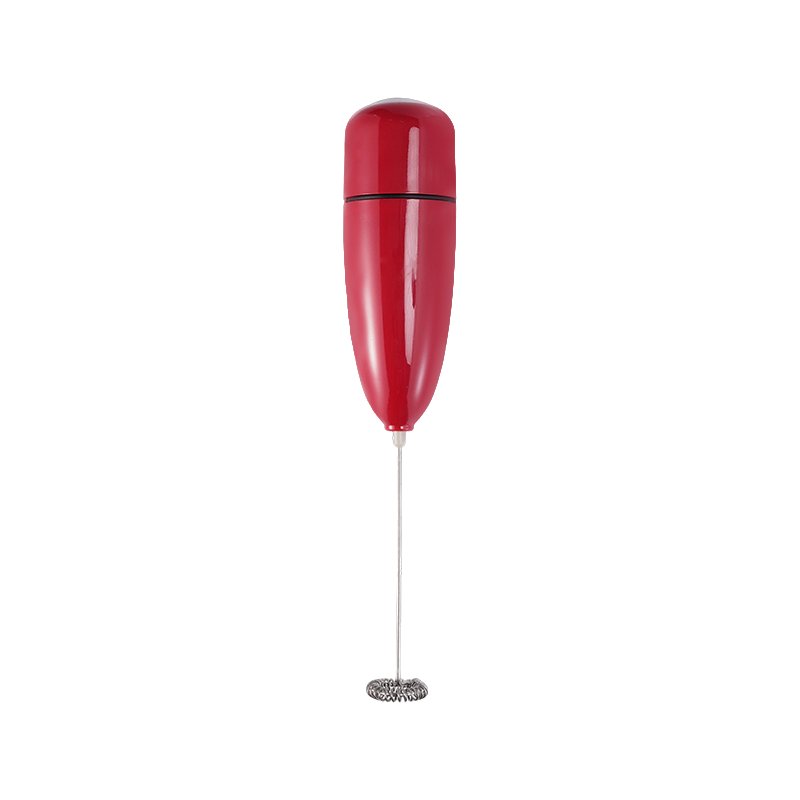
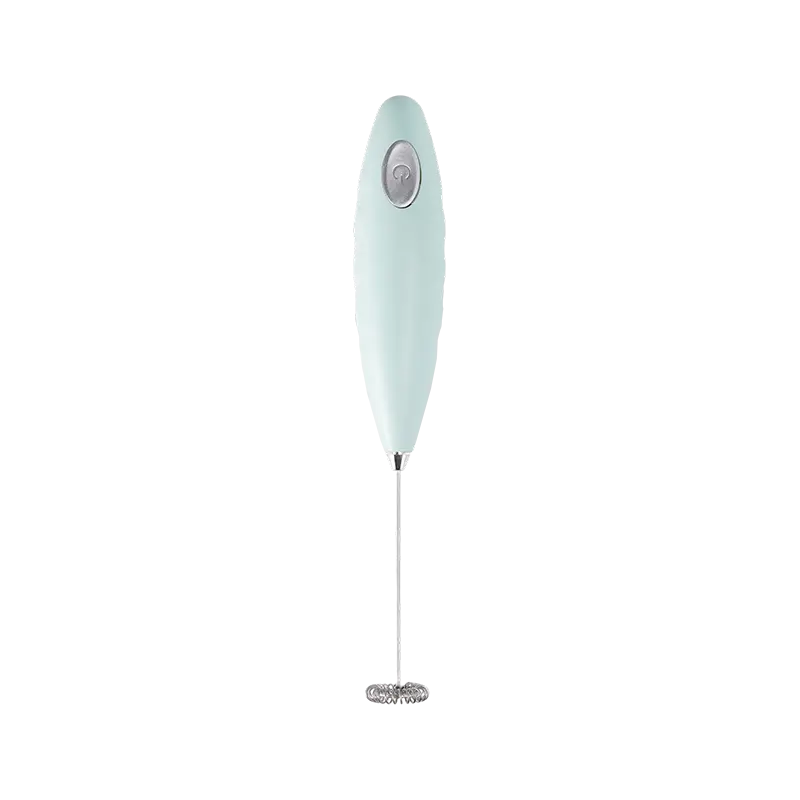
A motorized whisk rotates at high speed — typically 12,000 to 19,000 RPM — inside the milk, pulling air in from the surface and breaking it into thousands of tiny bubbles. Countertop jug-style frothers use an induction-heated base combined with a magnetic spinning disc inside the jug to simultaneously heat and froth. Handheld wand frothers use a battery-powered motor to spin a small coil submerged in the milk.
Pressurized Steam Injection
Some electric frothers — and all espresso machines with steam wands — force pressurized steam directly into cold milk. The steam heats the milk while simultaneously injecting air, creating a velvety microfoam. This method is the closest electric equivalent to professional barista technique and produces the finest, most stable foam bubble structure.
Pump-Driven Aeration
A smaller category of electric frothers uses a pump mechanism to push milk through a mesh screen repeatedly, incorporating air through turbulence rather than spinning. This produces a coarser, lighter foam more similar to a French press method but with electric consistency.
Types of Electric Milk Frothers and What Sets Them Apart
| Type |
Mechanism |
Frothing Time |
Foam Quality |
Price Range |
| Handheld Wand |
Spinning coil |
20–40 seconds |
Good / airy |
$8 – $30 |
| Countertop Jug Frother |
Magnetic disc + induction heat |
60–90 seconds |
Very good / creamy |
$30 – $120 |
| Steam Wand (Espresso Machine) |
Pressurized steam |
30–60 seconds |
Excellent / microfoam |
$200 – $2000+ |
| Pump Aerator Frother |
Mesh pump |
20–30 seconds |
Moderate / coarse |
$15 – $50 |
Comparison of electric milk frother types by mechanism, speed, foam quality, and cost
Manual Frothing Methods: How They Work and Where They Fall Short
Before electric frothers became widely accessible, home coffee drinkers relied on several manual techniques to produce milk foam. Each has genuine merits but also meaningful limitations compared to electric alternatives.
French Press Method
Warm milk is poured into a French press and the plunger is pumped rapidly up and down 20 to 40 times. The mesh forces air through the milk in a similar fashion to a pump frother. This produces a reasonable foam volume but with larger, less stable bubbles. The process takes 60 to 90 seconds of active effort and results depend heavily on pumping speed and consistency.
Jar Shaking Method
Warm milk in a sealed jar is shaken vigorously for 30 to 60 seconds. This is the most low-tech approach and produces usable foam, but the bubbles are large and dissipate quickly — often within 60 to 90 seconds of pouring. It also requires care to avoid spills and is physically tiring over repeated use.
Whisk Method
A standard kitchen whisk or a dedicated milk frother whisk is used to beat warm milk by hand. This requires 2 to 4 minutes of sustained effort and produces inconsistent results depending on technique. Foam quality is generally the weakest of all methods — usable but far from café standard.
Stovetop Moka Pot with Frothing Attachment
Some stovetop espresso makers include a basic steam attachment that mimics an espresso machine steam wand at very low pressure. Results vary widely and precise temperature control is difficult, making consistent microfoam production unreliable without significant practice.
Electric vs Manual: A Direct Comparison Across Key Performance Factors
| Factor |
Electric Frother |
Manual Methods |
| Speed |
20–90 seconds (hands-free) |
60–240 seconds (active effort) |
| Consistency |
High — same result every time |
Variable — depends on technique |
| Foam Quality |
Fine to very fine bubbles |
Coarser, less stable bubbles |
| Physical Effort |
Minimal (press a button) |
Moderate to high |
| Temperature Control |
Precise (many models auto-heat) |
Manual — easy to overheat |
| Cost |
$8 – $120+ (one-time) |
$0 – $40 (French press / whisk) |
| Skill Required |
Very low |
Low to moderate |
| Non-Dairy Milk Compatibility |
Good (especially at higher RPM) |
Poor to moderate |
| Cleanup |
Quick rinse or dishwasher safe |
Similar — quick rinse |
Head-to-head comparison of electric frothers versus manual frothing methods
Where Electric Frothers Have a Clear Advantage
Electric frothers outperform manual methods most significantly in three areas:
Consistency at Scale
If you make one or two coffees a day, manual methods are perfectly manageable. But if you are preparing drinks for multiple people or want the same foam texture every single morning without thinking about it, electric frothers deliver reliability that manual techniques simply cannot match. Countertop jug frothers in particular heat and froth simultaneously to a preset temperature of around 60–65°C (140–149°F) — the optimal range for foam formation — without any monitoring required.
Performance With Non-Dairy Milks
Oat, almond, soy, and coconut milks are significantly harder to froth than cow's milk due to their different protein and fat structures. Manual methods often fail entirely with thinner non-dairy alternatives. High-RPM electric frothers, particularly handheld wands above 15,000 RPM, generate enough agitation to produce usable foam from most non-dairy milks — especially barista-edition oat milk formulations designed for frothing.
Hands-Free Operation
A countertop electric frother runs unattended — you press a button and prepare your espresso shot or set up your mug while the milk heats and froths automatically. This parallel workflow saves 1 to 3 minutes per drink compared to manual methods that require continuous attention, which adds up meaningfully over daily use.
Where Manual Methods Still Hold Their Own
Manual frothing is not obsolete. There are genuine situations where it remains the more practical or preferable choice:
- Travel and portability: A handheld battery-powered frother is compact, but a French press or jar requires zero power source — useful in locations without reliable electricity
- Cost sensitivity: If you already own a French press for coffee, frothing milk in it costs nothing additional
- Occasional use: For someone who makes a frothy drink once a week rather than daily, the investment in an electric frother may not be justified
- No counter space: In very small kitchens, eliminating another appliance is a practical consideration
Which Should You Choose: A Practical Decision Guide
- Daily home barista who wants convenience: Countertop jug electric frother (Breville Milk Café, Nespresso Aeroccino, or equivalent) — set it and forget it
- Budget-conscious occasional user: Handheld electric wand frother at $10–$15 — significant upgrade over manual with minimal investment
- Espresso enthusiast chasing latte art: Espresso machine with steam wand — the only method that reliably produces true microfoam for latte art pours
- Traveler or occasional user with no budget: French press method — already available, costs nothing extra, and produces acceptable results
- Non-dairy milk user: High-RPM handheld or countertop electric frother — manual methods are largely ineffective for thinner plant-based milks


 English
 русский
 Español
 Deutsch
 عربى
عربى 中文简体
中文简体


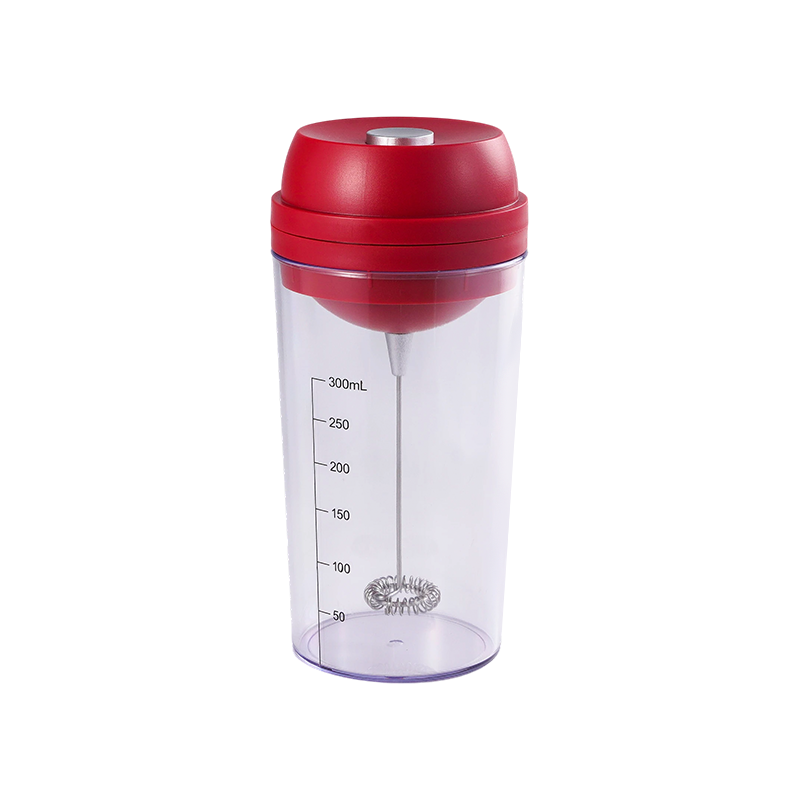

 Custom Automatic Electric Milk Frother Manufacturers