To properly use an electric salt and pepper mill, fill the chamber with the correct type of salt or peppercorns, hold the mill upright over your food, and press the button or tilt sensor to activate the grinding mechanism. Most models grind continuously while the button is held and stop automatically when released or set down. With proper care — including regular cleaning of the grinding mechanism, avoiding moisture exposure, and using the correct fill materials — an electric mill can last 3–5 years or longer and consistently deliver fresh, evenly ground seasoning. Below is a complete breakdown of setup, operation, common mistakes, and maintenance practices every beginner should know.
What Is an Electric Salt & Pepper Mill and How Does It Work?
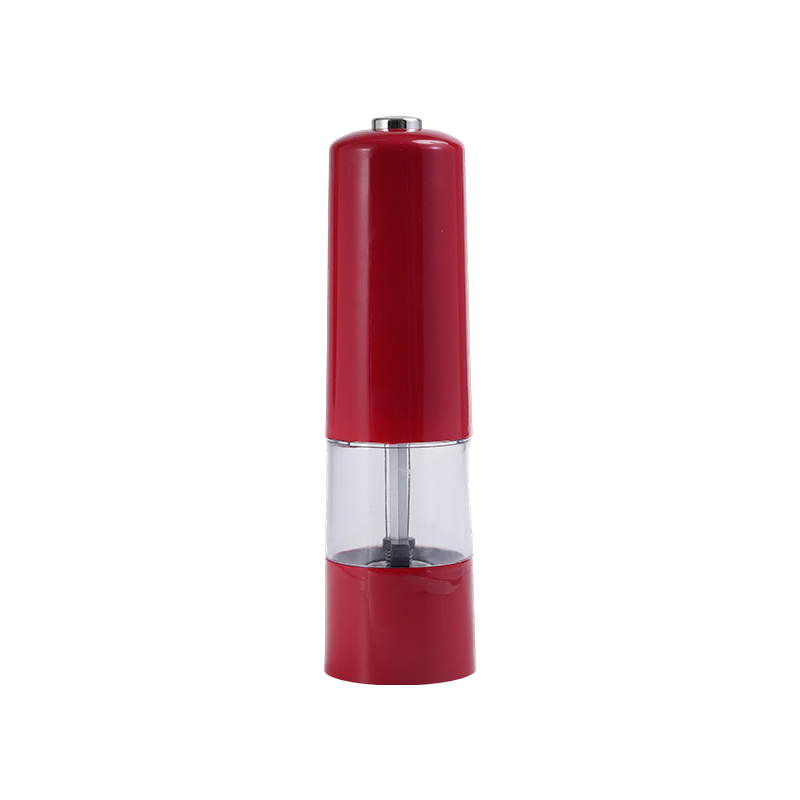
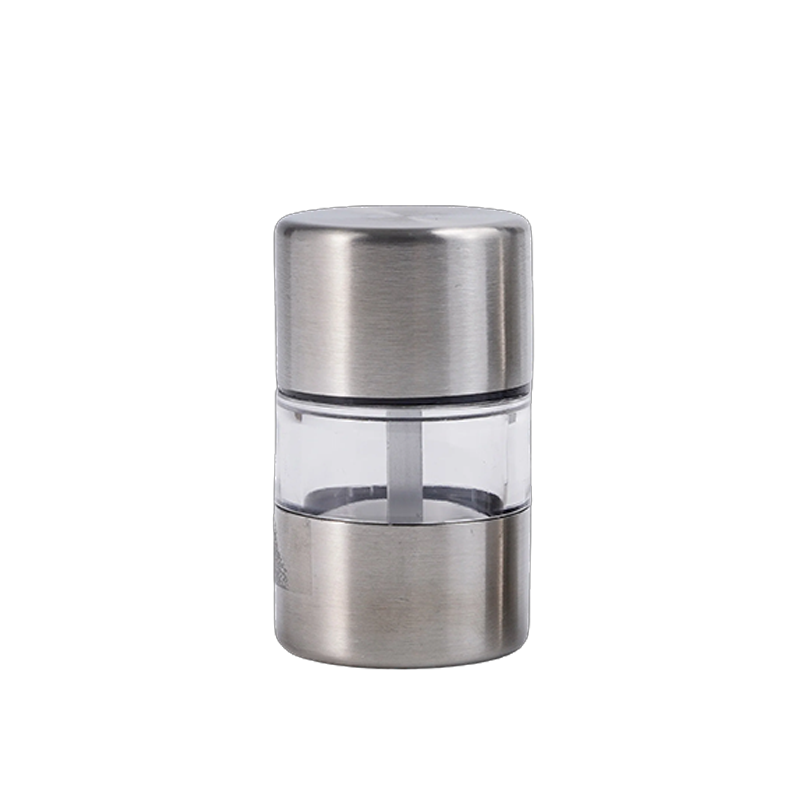
An electric salt and pepper mill is a battery-powered or rechargeable device that uses a small motor to drive a ceramic or stainless-steel grinding mechanism, crushing whole peppercorns or coarse salt crystals into a fine, even texture on demand. This eliminates the manual twisting motion required by traditional mills, making it easier and faster to season food consistently.
Core Components
- Motor-driven grinding mechanism (typically ceramic for salt, steel or ceramic for pepper)
- Storage chamber for whole peppercorns or salt crystals
- Battery compartment (AA/AAA batteries) or rechargeable lithium battery
- Activation button or tilt sensor that triggers grinding when the mill is turned upside down
- Adjustable grind-coarseness dial (on most mid-range and premium models)
Step-by-Step: How to Use an Electric Salt & Pepper Mill
Follow these steps for consistent, mess-free grinding every time.
- Unscrew or open the top/bottom fill chamber, depending on the model design
- Fill with whole peppercorns or coarse, dry salt crystals — never use pre-ground salt or pepper, as fine powder can clog the mechanism
- Close the chamber securely and check that batteries are installed or the device is charged
- If your model has an adjustable coarseness dial, set it to your preferred grind size before use
- Hold the mill upright over your food, with the grinding head facing downward
- Press and hold the activation button (or tilt the mill if it uses a gravity sensor) until the desired amount is dispensed
- Release the button or return the mill to an upright position to stop grinding
Always keep the mill at a slight downward angle while grinding — holding it perfectly flat or upside down for extended periods can cause uneven dispensing or motor strain in tilt-activated models.
Common Mistakes Beginners Make
Most performance issues with electric mills stem from incorrect fill materials or poor handling rather than device defects.
| Mistake |
Consequence |
Solution |
| Using pre-ground salt or pepper |
Clogs grinding mechanism, jams motor |
Use only whole peppercorns or coarse salt crystals |
| Filling with damp or moist salt |
Salt clumps and blocks the grinder |
Use dry, free-flowing salt crystals only |
| Overfilling the chamber |
Uneven grinding, difficulty closing lid |
Fill to the marked maximum line only |
| Holding the mill flat or sideways |
Inconsistent or no dispensing |
Hold upright with grinding head pointed down |
| Ignoring low battery warnings |
Motor stalls mid-grind |
Replace batteries or recharge promptly |
Common beginner mistakes when using an electric salt & pepper mill and how to avoid them
How to Properly Maintain an Electric Salt & Pepper Mill
Routine maintenance prevents clogging, prolongs battery life, and keeps the grinding mechanism sharp. A well-maintained electric mill can deliver thousands of grinds over its lifetime without performance loss.
Cleaning the Grinding Mechanism
- Empty the chamber completely every few weeks and brush out residual dust with a small, dry brush
- Never rinse the grinding head with water — moisture causes salt to clump and metal parts to corrode
- Wipe the exterior body with a slightly damp cloth, keeping the electronic base and battery compartment dry
Battery Care
- For rechargeable models, charge fully before first use and recharge every 4–6 weeks if not in regular use
- For battery-powered models, remove batteries during extended storage to prevent corrosion from leakage
- Replace both batteries at the same time rather than mixing old and new cells, which can cause uneven power delivery
Storage Tips
- Store upright in a dry cabinet away from stovetop steam and sink splashes
- Keep salt and pepper mills separate to avoid cross-contamination of flavors and clogging residue
- Avoid storing near heat sources, which can degrade battery cells and warp plastic components
Troubleshooting Common Problems
Mill Won't Grind or Dispense
This is most often caused by a clogged grinding head from damp salt or fine particles. Empty the chamber, brush out the mechanism, and refill with fresh, dry, coarse material to restore normal function.
Grinding Is Uneven or Too Coarse/Fine
Check the coarseness adjustment dial, usually located at the top or bottom of the unit. If the dial is already correctly set, worn grinding burrs may need replacement after extended heavy use.
Device Stops Responding
Check battery charge or replace batteries first. If the device still doesn't respond after a fresh battery swap, the internal motor or sensor may have failed and require professional repair.
Frequently Asked Questions
Can I use any type of salt in an electric mill?
No — only coarse, dry salt crystals such as sea salt or rock salt should be used. Fine table salt or iodized salt can clump and clog the grinding mechanism due to anti-caking agents and added moisture.
Why does my mill grind slower over time?
This is usually a sign of either a weakening battery or a buildup of residue on the grinding burrs. Cleaning the mechanism and replacing batteries typically restores normal speed.
How long does the grinding mechanism last?
Ceramic grinding mechanisms are highly durable and can last the lifetime of the device with proper care, since ceramic does not rust or corrode like some metal alternatives.
Using an electric salt and pepper mill correctly comes down to three key habits: filling the chamber with the correct dry, coarse material, holding the mill upright during use, and keeping the grinding mechanism clean and moisture-free. By following the step-by-step operation guide and avoiding common beginner mistakes like using pre-ground seasoning or damp salt, you can enjoy consistent, freshly ground flavor with every use. With proper maintenance, an electric salt and pepper mill can reliably serve your kitchen for years, making it a practical and long-lasting addition to any cooking routine.


 English
 русский
 Español
 Deutsch
 عربى
عربى 中文简体
中文简体



 Custom Automatic Electric Milk Frother Manufacturers