Impact of Power Output on Electric Salt and Pepper Mill Performance
Company Background and Product Context
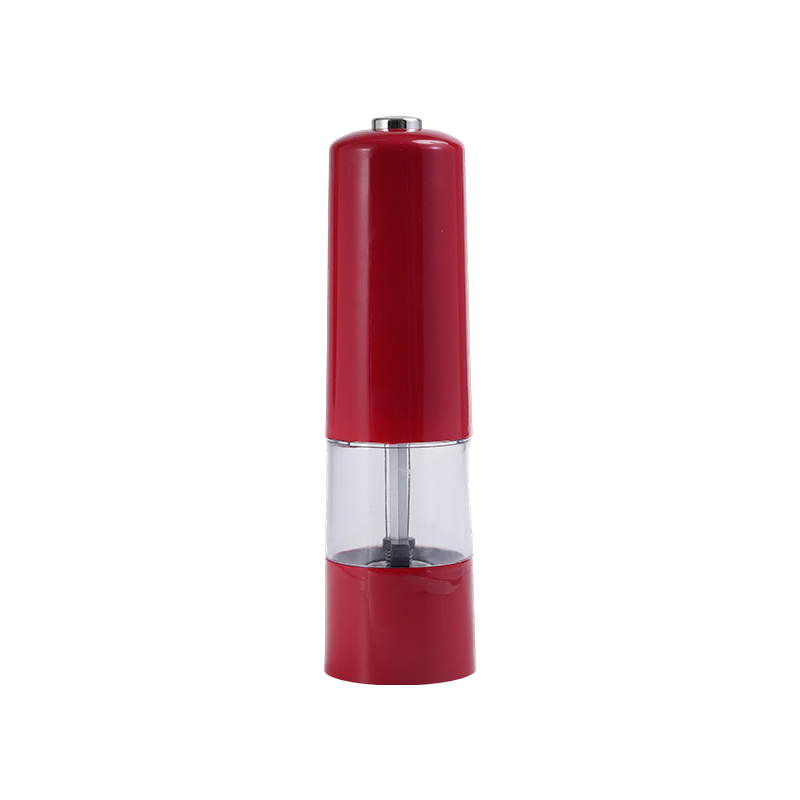
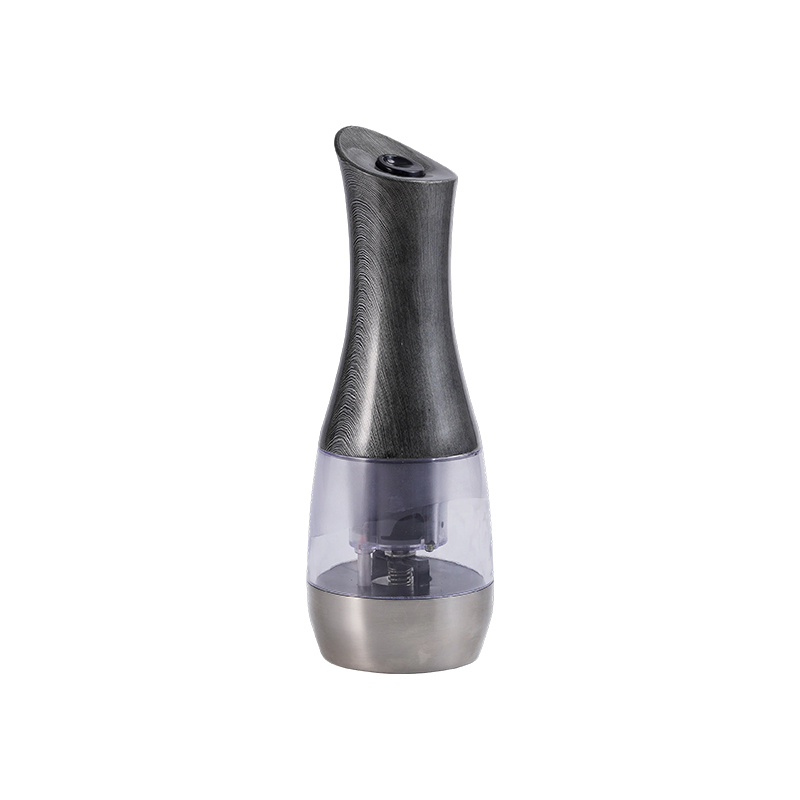
Hangzhou Shengrong Trading Co., Ltd., located in Hangzhou, Zhejiang Province, China, specializes in the production and management of daily necessities, including household appliances, hardware products, metal daily necessities, kitchen utensils, and plastic products. The company operates both wholesale and import-export services. Within its product range, Shengrong manufactures electric salt and pepper mills designed for household and commercial use. The company integrates knowledge from appliance manufacturing and material selection to optimize functionality, usability, and durability in their products, including considerations related to motor performance and grinding efficiency.
Understanding Power Output in Electric Mills
The power output of an electric salt or pepper mill refers to the energy supplied by the motor to rotate the grinding mechanism. Higher power output generally provides more torque, enabling the mill to handle harder spices or larger quantities more consistently. Shengrong designs its mills to balance power requirements with battery efficiency, motor size, and user comfort. Excessive power in a small handheld device can increase weight or generate more noise, while insufficient power may lead to uneven grinding or difficulty with coarse salts and peppercorns.
Impact on Grinding Speed and Consistency
Power output affects both the speed and consistency of the grinding process. Higher-powered motors in Shengrong electric mills allow for smoother rotation of the grinding mechanism, which can produce more uniform particle sizes. Consistent grinding ensures better flavor release and easier seasoning. In contrast, lower-powered mills may require multiple activations or longer use to achieve the same level of grind, potentially resulting in uneven particle distribution. The company calibrates its motors to provide reliable performance while minimizing energy consumption and preserving battery life.
Battery-Powered vs Rechargeable Designs
Shengrong produces both battery-powered and USB-rechargeable electric mills. Battery-powered models rely on disposable batteries to provide consistent voltage, with performance gradually decreasing as the battery weakens. USB-rechargeable mills use built-in batteries that maintain stable voltage for a longer period between charges. Power output in both types directly affects grinding performance. The design considerations include motor efficiency, battery capacity, and user expectations for operation duration, ensuring that the mills deliver adequate grinding ability under typical household use conditions.
Effect on Different Spice Types
Different spices require varying levels of torque to grind effectively. Coarse sea salt, Himalayan salt, and large peppercorns demand more power to break down evenly. Shengrong’s electric mills consider the hardness and size of common spices, selecting motor power levels that allow the mill to grind efficiently without damaging internal components. Lower-power mills may be adequate for softer spices or smaller quantities, while higher-power options are better suited for frequent use or for grinding denser salts and whole peppercorns. This distinction helps users choose the appropriate model for their kitchen needs.
Comparison Table of Grinding Performance Factors
| Factor |
Impact on Performance |
Shengrong Considerations |
| Motor Power Output |
Determines torque and ability to grind hard spices |
Optimized to balance efficiency and usability in handheld designs |
| Battery Type |
Affects voltage stability and consistency of grinding |
Battery-powered and USB-rechargeable options designed for stable output |
| Spice Hardness |
Higher hardness requires more power for consistent particle size |
Motor calibration accommodates common salt and pepper varieties |
| Grinding Mechanism Design |
Material and shape influence friction and efficiency |
Stainless steel and ceramic components selected for durability and performance |
| User Handling |
Operation pressure and duration can affect output effectiveness |
Ergonomic design minimizes excessive effort while maintaining torque |
Noise and Operational Efficiency
Power output not only affects grinding ability but also influences noise levels and operational efficiency. Shengrong designs its motors to provide sufficient torque without generating excessive noise, which can be an important factor for household use. Efficient power management ensures that the mill operates effectively for multiple grinding cycles while conserving battery life, especially in USB-rechargeable models. The company tests different power outputs to find a balance between grinding performance and comfortable user experience.
Maintenance and Longevity Considerations
Higher power output may generate more heat and stress on internal components, requiring careful material selection and motor design. Shengrong incorporates durable ceramic and stainless steel components in the grinding mechanism to withstand torque generated by the motor. Regular maintenance, such as cleaning the grinder and checking for residual particles, ensures consistent performance over time. By calibrating power output appropriately, Shengrong ensures that their electric mills remain functional and reliable while providing consistent grinding results for household spices.
FAQ
Q: How does motor power affect the grinding efficiency of Shengrong electric salt and pepper mills?
A: The motor power determines the torque applied to the grinding mechanism. Shengrong designs its mills to balance motor strength with battery efficiency, ensuring that common spices such as salt and pepper are ground consistently without overloading the internal components.
Q: Are the grinding mechanisms in Shengrong electric mills adjustable for different coarseness levels?
A: Yes, many Shengrong models feature adjustable grinding settings. Users can select finer or coarser grinds depending on their culinary needs, and the internal design maintains consistent operation across different settings.
Q: What maintenance is recommended to preserve the performance of Shengrong electric mills?
A: Regular cleaning of the grinding chamber and removable parts is suggested to prevent residue buildup. Shengrong recommends wiping the motor body with a dry or slightly damp cloth and ensuring that the grinding components remain free from moisture to maintain consistent performance.
Q: Can Shengrong electric salt and pepper mills handle hard spices like Himalayan salt?
A: Shengrong mills are designed to handle a range of common spices, including harder varieties. The motor power and grinding mechanism materials, such as ceramic or stainless steel, are selected to manage these spices efficiently without compromising the appliance’s durability.
Q: How does battery type influence the operation of Shengrong electric mills?
A: Battery-powered models provide consistent voltage until batteries are depleted, while USB-rechargeable models maintain steady power over multiple uses per charge. Shengrong designs both types to ensure reliable torque and smooth grinding across different battery conditions.
Q: Are Shengrong electric mills suitable for frequent kitchen use?
A: Yes, they are intended for household use, and the motor and grinding components are designed for repeated operation. Proper cleaning and maintenance help ensure that the mill continues to perform efficiently over time.
Q: What materials are used in the grinding components, and how do they impact longevity?
A: Shengrong uses ceramic and stainless steel for grinding parts to resist wear and corrosion. These materials provide durable performance while supporting consistent grind size and ease of maintenance.
Q: Does the design of Shengrong electric mills reduce noise during operation?
A: The motor and grinding assembly are engineered to operate smoothly, minimizing unnecessary noise while maintaining effective grinding. This allows for comfortable use in household environments.


 English
 русский
 Español
 Deutsch
 عربى
عربى 中文简体
中文简体