

 English
 русский
 Español
 Deutsch
 عربى
عربى 中文简体
中文简体
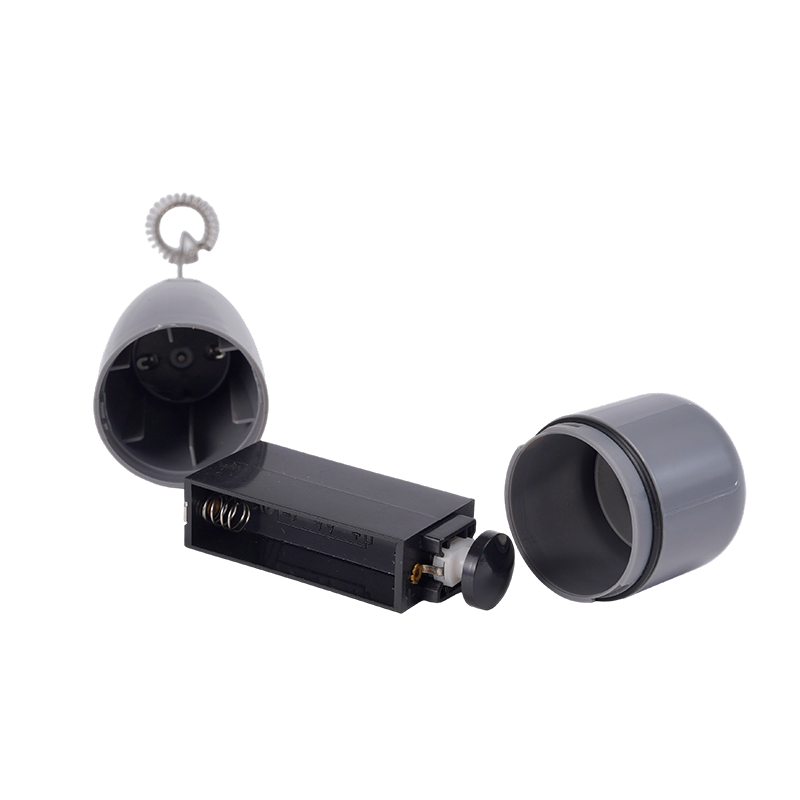
The stainless steel automatic electric milk frother with base measures 4x4x28 cm and weighs 62 grams, making it compact and portable. The outer carton...
See Details

Can You Make Cold Foam with Coffee Creamer? Yes—Here's How to Do It Right
Content
Yes, You Can Make Cold Foam with Creamer
Yes, you can make cold foam with coffee creamer. The result will not be identical to what a coffee shop produces with heavy cream and whole milk, but you can get a light, airy layer that sits on top of iced coffee or cold brew. To make it work consistently, you need to understand two factors: the fat content in your creamer and the tool you use to aerate it.
Here is a common scenario. You have a bottle of liquid creamer in the refrigerator, a glass of iced coffee in front of you, and a handheld battery-powered frother in a drawer. You want that smooth, cloud-like topping you see on café drinks. With the right creamer and a short frothing session, that topping is fully achievable. The real question is not whether it can be done, but how to keep the foam from deflating within a minute.
Why Creamer Works for Cold Foam
Cold foam is essentially air bubbles suspended in liquid. When you froth, you introduce air into the liquid. Fat and protein stabilize those bubbles and prevent them from collapsing too quickly. Coffee creamer, especially the liquid kind, contains enough fat and stabilizers to perform that job. Powdered creamer can also work because it often includes emulsifiers that assist foaming, but the texture tends to be less rich and the foam may be less durable.
A quick benchmark: whole milk has around 3.5 percent fat and roughly 3.3 percent protein. Heavy cream contains about 36 percent fat. Most liquid coffee creamers sit in the 10 to 20 percent fat range after you account for the oil base used in their formulation. That places them in a comfortable zone for cold foam. If you use a fat-free creamer, expect thinner foam that collapses sooner.
| Creamer type | Fat content | Foam stability | Best use |
|---|---|---|---|
| Liquid dairy-based creamer | 10-20% | Good | Café-style texture |
| Fat-free liquid creamer | 0-1% | Fair at best | Lighter topping |
| Powdered creamer | Varies by brand | Moderate | Quick fix |
| Heavy cream / whole milk blend | 20-36% | Excellent | Most stable results |
Tools and Methods for Making Cold Foam
You do not need a commercial espresso machine. A few everyday kitchen tools work, and the results differ mainly in speed and texture.
Handheld milk frother
This is the most common approach. Place the whisk head in your creamer, switch it on, and move it in a circular motion. Within 20 to 30 seconds you should see a creamy layer double in volume. This method gives you the greatest control over texture, letting you stop exactly when the foam looks right.
For a handheld option that also lets you measure and store in one container, this type of design is helpful when you want to froth and pour without transferring liquid.
 Handheld Battery-Powered Milk Frother with Bottle for Easy Frothing and PouringThis lightweight, battery-operated frother includes a secure bottle attachment for frothing and pouring without transferring liquid, ideal for making silky foam at home. Its compact design and easy operation suit daily coffee drinks.View Product →
French press
Pour your creamer into a French press, place the lid on, and pump the plunger up and down rapidly. The mesh screen drives air into the liquid. Expect a slightly denser foam that holds its shape better than a frother, with occasional larger bubbles.
Immersion blender
A short burst aerates the entire liquid thoroughly. The foam is airy but delicate. Keep the run time under 40 seconds, or you risk pushing too much air into the liquid and producing a watery layer.
Mason jar
Fill the jar with your creamer, tighten the lid, and shake vigorously for one to two minutes. Foam forms quickly but tends to disappear faster than the other methods. It works when you are in a pinch, but it takes more effort per serving.
| Tool | Time | Texture | Ease of use |
|---|---|---|---|
| Handheld frother | 20-30 sec | Silky and fine | Very easy |
| French press | 30-45 sec | Dense and stable | Easy |
| Immersion blender | 20-40 sec | Airy and light | Moderate |
| Mason jar | 1-2 min | Coarse, short-lived | More effort |
Key Techniques for Better Results
Now that you have your tool and creamer, here are the practical details that make a noticeable difference.
Ratio
Start with 2 tablespoons of creamer for every 4 ounces of cold brew or iced coffee. If your creamer is already sweetened, that sweetness carries directly into the foam. For a lighter version, mix 1 part creamer with 1 part cold milk before frothing.
Temperature
Cold creamer froths better than warm creamer. Cold liquid absorbs air more slowly at first, but the final bubbles are more stable because they do not expand and deflate as quickly. That stability is exactly what you want for a topping that needs to survive for the duration of a drink.
Timing
Stop frothing once the mixture looks doubled in volume. Over-frothing is the most common error. It introduces too much air, which can destabilize the foam and turn it into a watery layer with large bubbles.
Blend for better texture
Mixing creamer with an equal part of cold whole milk adds protein. This protein improves foam retention. It is the simplest way to get closer to coffee-shop consistency while still using the flavor you already enjoy.
Troubleshooting Common Issues
Here are several problems you are likely to encounter when making cold foam with creamer, and how to fix them.
Foam is thin and watery
Your creamer probably has too little fat. Switch to a full-fat liquid creamer or combine your creamer with cold whole milk before frothing. Also, keep the whisk head close to the surface so that you introduce more air rather than just stirring the liquid.
Foam dissolves within a minute
Low protein is usually the culprit. Adding a splash of milk gives the foam more structure. Another fix is to chill everything before starting: warm liquid produces weak bubbles.
Powdered creamer makes thin foam
If you only have powdered creamer, mix it with cold milk first, then add a spoonful of liquid creamer for body. That extra fat helps stabilize the foam.
Foam is lumpy
Run the frother for a few seconds less, and check that your creamer is fully mixed before you start. If the liquid has separated or contains small solid particles, the foam will be uneven.
Choosing the Right Frother for Your Setup
If you are shopping for a specific tool for cold foam, a few product features matter more than others. Whisk design, motor speed, and battery type decide whether you get an even mix or a messy splash.
Battery-powered handheld frothers are usually the most versatile. They work on any liquid, require no charging, and can be moved around easily. A model with an integrated bottle handles measuring, frothing, and pouring in one container, which is convenient for home use.
For a unit that also covers other tasks like blending juice or egg, consider a USB-rechargeable model with adjustable speed settings. The speed control gives you more control over how much air gets incorporated.
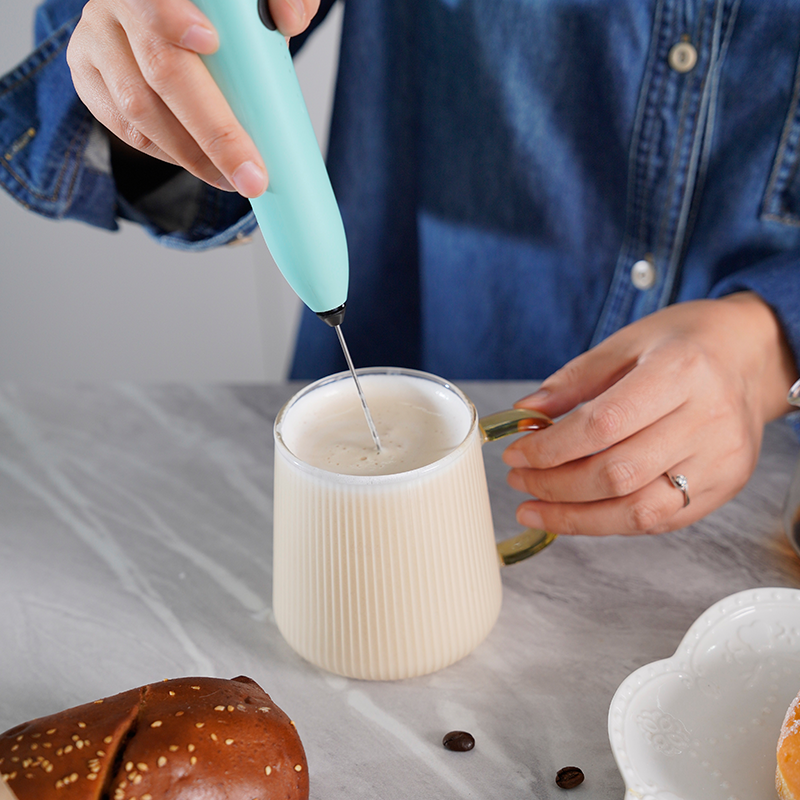 USB-Rechargeable 3-Speed Milk Frother for Versatile Foam ControlWith three adjustable speeds, this slim rechargeable frother handles delicate warm foam, standard milk froth, and cold drinks. Its weight and finish ensure steady handheld use, making it a flexible choice for different milk types.View Product →
If you want a hands-off approach every morning, a countertop automatic frother produces consistent results without manual effort. It is a good fit when you need the same texture daily and prefer not to spend time with a handheld whisk.
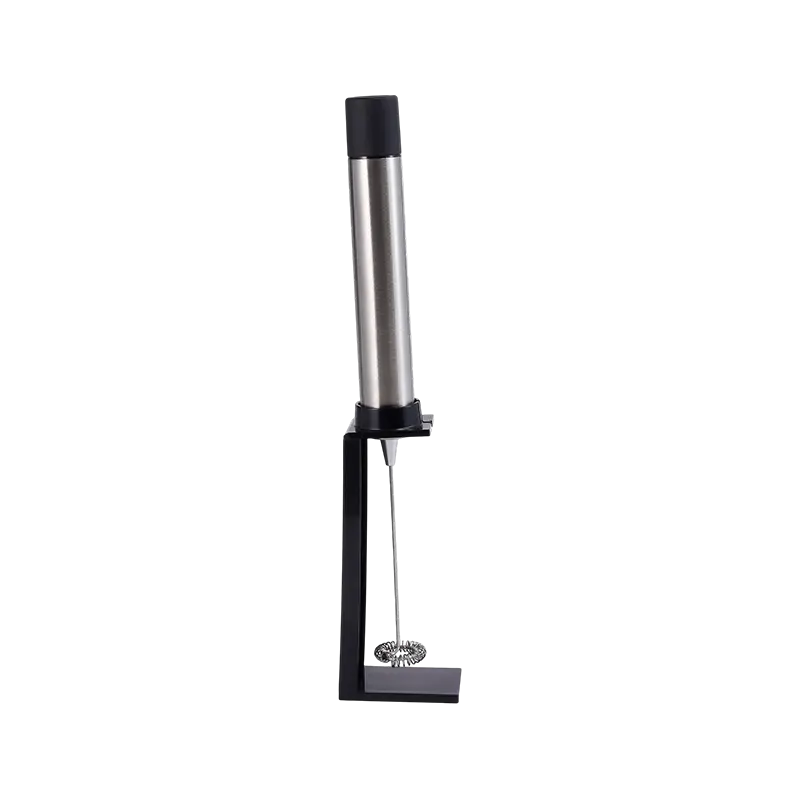
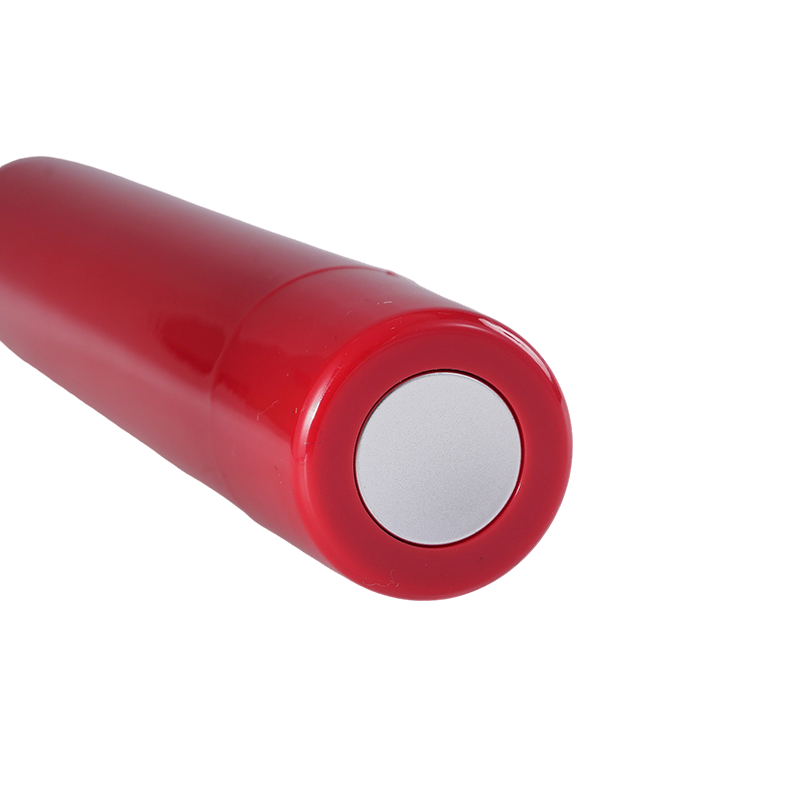 Stainless Steel Automatic Electric Milk Frother with Stable BaseThis automatic stainless steel frother with a base creates consistent, creamy foam in seconds using two AA batteries. Its sturdy base prevents tipping, and the compact size is convenient for storage and travel.View Product →
For a deeper understanding of what separates a standard frother from a professional micro-foam tool, this guide explains the key differences.
What is the best electric milk frother for professional microfoam?
The Bottom Line
You can absolutely make cold foam with creamer. The key is to treat your creamer and your tool as a single system. Pick a liquid creamer with enough fat, chill it down, and use a frother you can control. A handheld frother is the best balance of speed and texture for most home setups. Pair it with the right creamer and you will get a stable topping that holds up for the length of a drink.
Related products
-
-
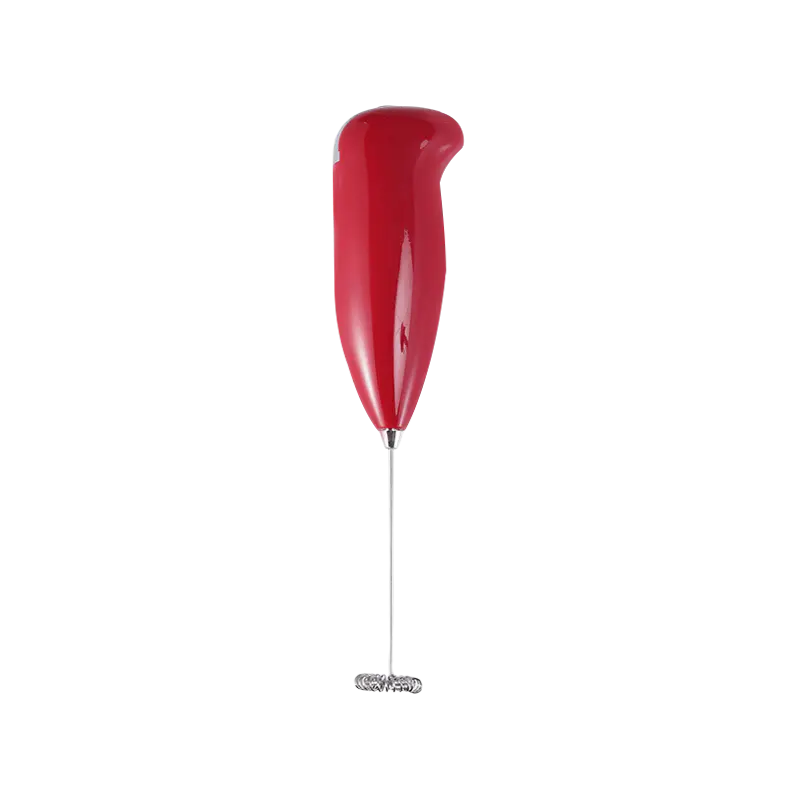
One of the most prominent features of this coffee stirrer is its automatic rotating stirring mechanism. The stirrer is powered by two AA batteries, an...
See Details -
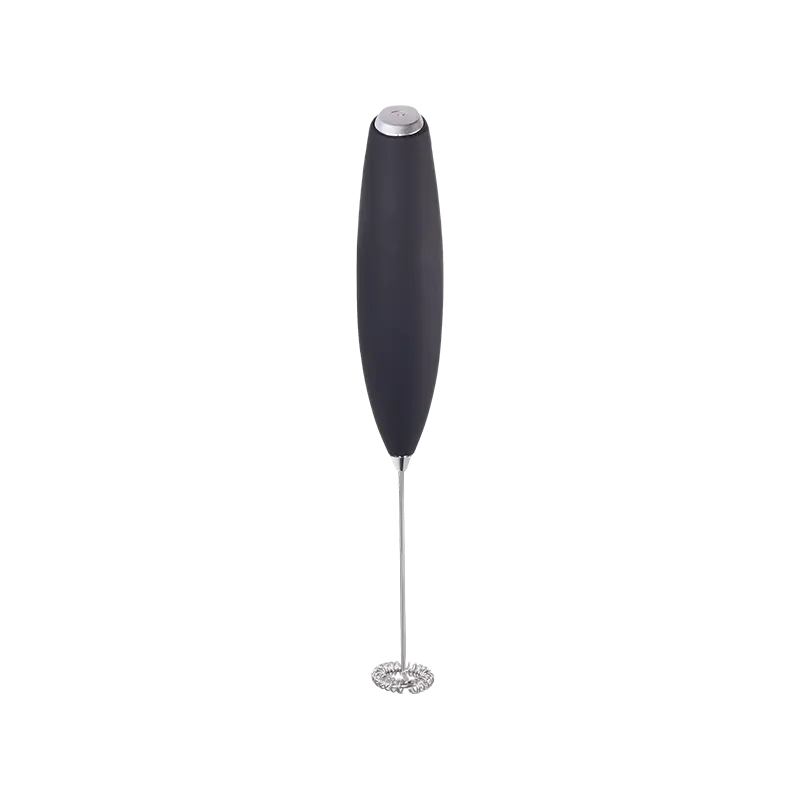
The Battery Powered Coffee Milk Drink Electric Whisk Mixer features a sleek and compact design, measuring just 3.7 x 3.2 x 23 cm, making it easy to ca...
See Details -
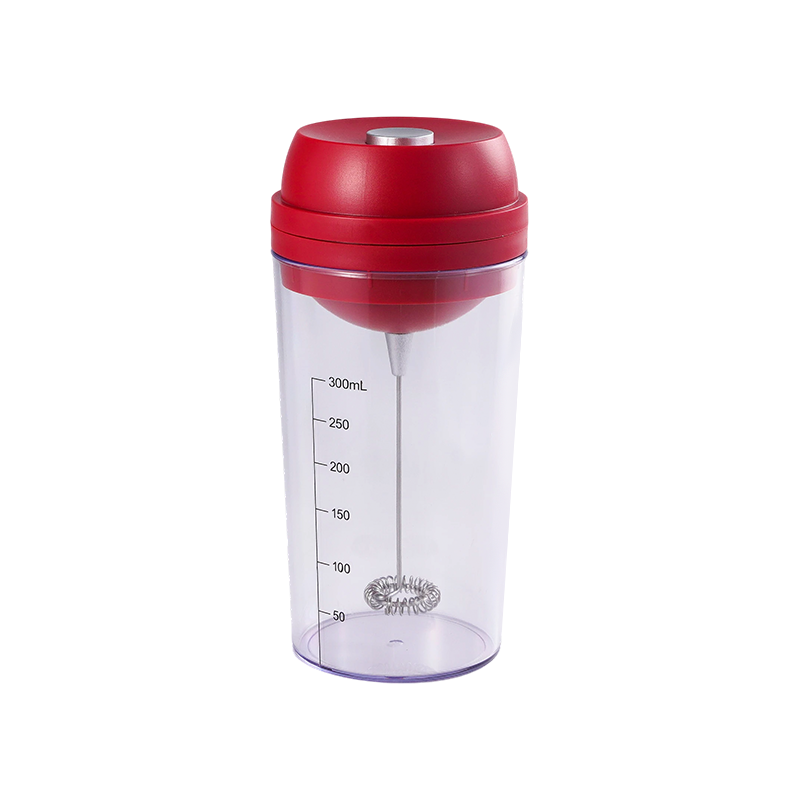
This dual-function device combines egg whisking and milk frothing, allowing users to seamlessly switch between tasks without using multiple devices. I...
See Details -
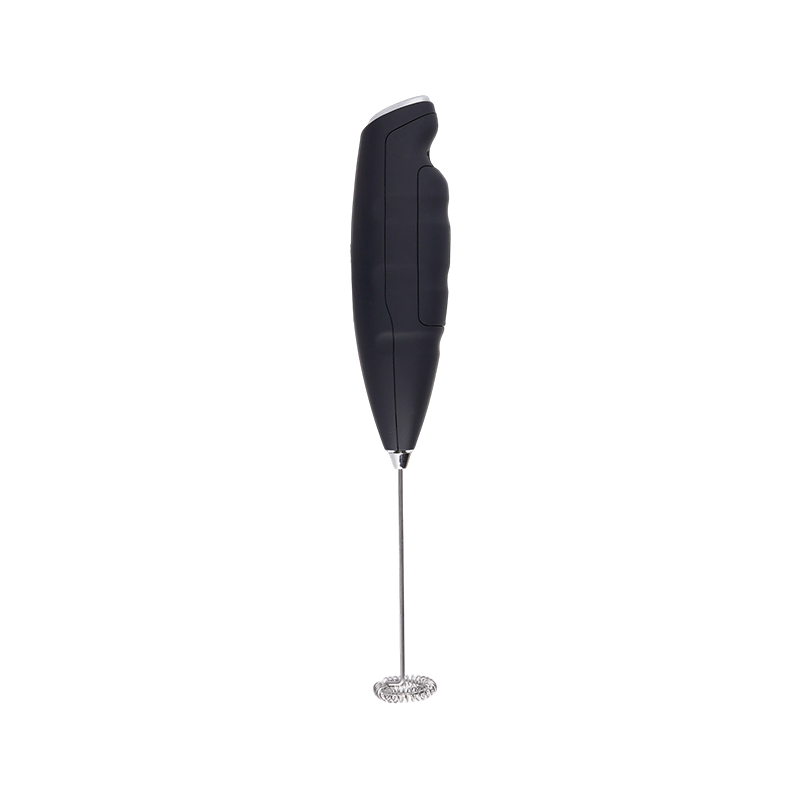
The Battery Powered Coffee Milk Drink Electric Whisk Mixer features a sleek and compact design, measuring just 3.8*3.5*23.8 cm, making it easy to carr...
See Details -
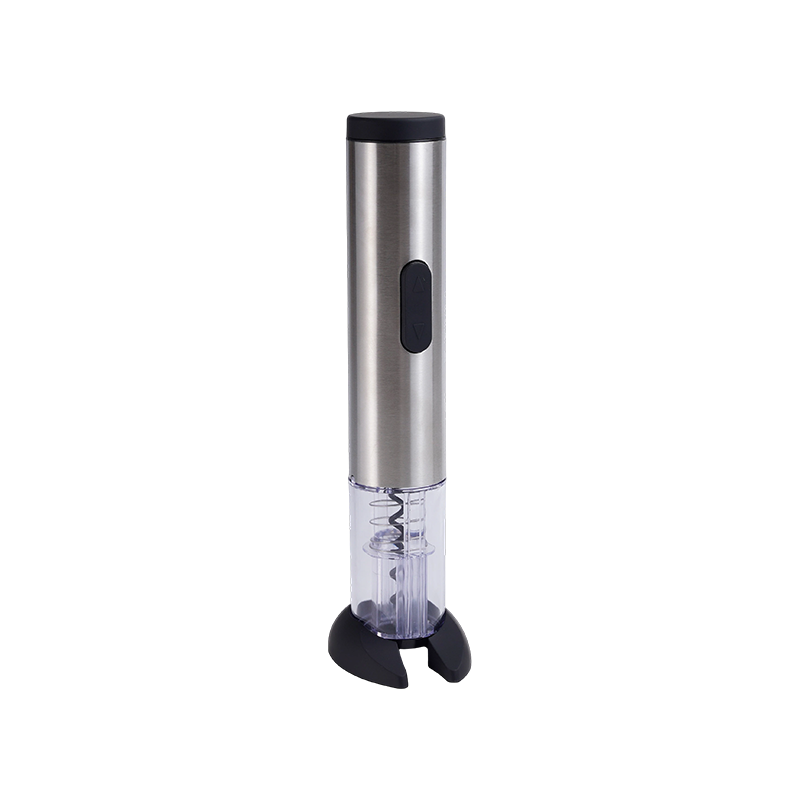
The dimensions of this bottle opener are only 10.5 centimeters wide, 7.5 centimeters deep, and 28.8 centimeters high, presenting a slender and upright...
See Details
News
-
You pour your morning coffee and reach for the milk, but it's empty. You grab the bottle of creamer...
READ MORE -
Yes, cream can be frothed just like milk Heavy cream, half-and-half, and even some coffee creamers ...
READ MORE -
Regular Cleaning After Every Use Is the Single Most Important Thing You Can Do for Your Frother's L...
READ MORE -
To clean and maintain an electric wine opener effectively, wipe the worm and exterior after every u...
READ MORE
If you are interested in our products, please consult us
-
Product
Electric Milk Frother Electric Salt & Pepper Mill Manual Salt & Pepper Mill Electric Wine Opener -
Quick Links
About Us Products Service FAQ News -
Contact Information
Room 1704, Building 4, Zhenaoyuan, Xixing Street, Binjiang District, Hangzhou City, Zhejiang Province, China+86-13429230897 -

Copyright © Hangzhou Shengrong Trading Co., Ltd. All Rights Reserved.
 Custom Automatic Electric Milk Frother Manufacturers
Custom Automatic Electric Milk Frother Manufacturers