

 English
 русский
 Español
 Deutsch
 عربى
عربى 中文简体
中文简体
The Battery Powered Coffee Milk Drink Electric Whisk Mixer features a sleek and compact design, measuring just 3.7 x 3.2 x 23 cm, making it easy to ca...
See Details

Can You Froth Cream Instead of Milk? Yes, Here's How and Why It Works for You
Content
- 1 Yes, cream can be frothed just like milk
- 2 Why cream responds differently to frothing
- 3 Which cream types actually froth well
- 4 Practical differences between frothing cream and frothing milk
- 5 How to froth cream instead of milk with a handheld frother
- 6 What about using cream in place of milk for latte art
- 7 Frothing cream with a french press or mason jar
- 8 Common mistakes when frothing cream instead of milk
- 9 Practical advice for choosing your equipment
- 10 Does frothing cream instead of milk change the flavor
- 11 The bottom line
Yes, cream can be frothed just like milk
Heavy cream, half-and-half, and even some coffee creamers can be frothed successfully with a handheld electric milk frother. The result is a thicker, richer foam than what milk typically produces, but it also comes with a few practical caveats about fat content, temperature, and how long the foam will hold its shape.
If you are standing in your kitchen with a carton of cream and a frother, the short answer is: yes, it will work. The longer answer involves understanding why cream behaves differently than milk and how to adjust your method to avoid a result that turns into a thin, pourable liquid instead of a velvety foam.
Why cream responds differently to frothing
Milk froths well because it contains proteins that stabilize air bubbles, plus a moderate amount of fat that coats those bubbles and keeps them from popping too quickly. Cream contains a much higher proportion of milk fat, which is exactly why it produces a denser, more luxurious foam — but it is also why that foam is less stable over time.
When you froth cream with a hand-held whisk, the fat globules begin to coat the air bubbles almost immediately. With 30% to 36% fat in heavy cream, the foam forms a thick, glossy texture that feels rich on the tongue. But that same high fat content can work against you. Once the cream starts warming up or when you over-whip it, the fat can separate and the foam can collapse into a heavy layer of liquid cream with some bubbles on top.
Half-and-half, which contains roughly 10% to 18% fat, behaves like a middle ground between heavy cream and whole milk. It froths quickly, gives a slightly creamy texture, and holds its shape better than heavy cream in most home drink preparations. Coffee creamers, especially liquid non-dairy products, froth depending on their sugar and thickener content. Some emulsifiers in commercial creamers actually improve foam stability, while others produce a thin, airy foam that disappears before you finish your drink.
Which cream types actually froth well
Not every cream product will produce the same result. Your choice of product matters more than the frothing technique itself.
| Cream type | Typical fat content | Foam texture | Best use |
|---|---|---|---|
| Heavy cream | 30% to 36% | Thick, dense, glossy | Small batches, quick consumption, rich foam |
| Half-and-half | 10% to 18% | Medium, creamy, stable | Everyday coffee drinks, cappuccino-style foam |
| Liquid coffee creamer | Varies widely | Depends on emulsifiers and sugar | Sweetened drinks, flavored lattes |
| Whipping cream | 30% to 40% | Very stiff if overfrothed | Cold foam, dessert-style topping |
Heavy cream and half-and-half are your safest choices if you want a reliable result. If you are using a liquid coffee creamer, check the label for ingredients like carrageenan, gums, or dipotassium phosphate. These additives help stabilize the foam structure and make the whole process much easier.
Practical differences between frothing cream and frothing milk
When you switch from milk to cream, you are changing the physical properties of the liquid. Two things matter most: fat content and temperature.
Milk typically needs roughly 55°C to 65°C (130°F to 150°F) to create a creamy microfoam, especially for latte art. Cream, on the other hand, is much more sensitive to heat. If you heat heavy cream too far, the fat starts to break down and the texture turns grainy or even buttery. For most at-home uses, you will get the best foam by starting with cold cream or warming it only slightly, to about 45°C to 55°C (113°F to 131°F).
Steaming is another distinction worth noting. A steam wand introduces heat and air simultaneously, which works beautifully for milk. With cream, the steam wand can easily scald the fats and produce a metallic, heavy taste. A handheld electric frother is actually the more forgiving tool, because you control the aeration time directly and you can stop before the cream over-whips.
How to froth cream instead of milk with a handheld frother
The technique is straightforward but requires a bit more attention than milk. Follow these steps for a good result.
- Start with cold cream straight from the refrigerator. Cold cream aerates faster and holds bubbles better.
- Pour the cream into a tall, narrow container so the frother whisk can reach deep and create enough turbulence. Ideally, keep the fill level low because cream expands more than milk.
- Insert the handheld milk frother at the bottom of the container and keep it there for the first few seconds. Then slowly tilt the whisk upward while moving it in a small circular motion.
- Froth in short bursts of 10 to 15 seconds. Stop as soon as the foam reaches the consistency you want. With heavy cream, over-frothing can turn the whole thing into a solid foam that resembles whipped cream.
- Pour immediately over your coffee. Cream foam settles much faster than milk foam, so do not wait more than half a minute before serving.
Using a handheld frother also gives you the advantage of measuring the result by eye. With milk, you can usually froth for 40 to 60 seconds without ruining the drink. With cream, the window is far smaller, and the difference between perfect foam and over-whipped cream is just a few seconds.
What about using cream in place of milk for latte art
If your goal is latte art, cream is not a good substitute for milk. The foam produced from high-fat cream tends to be too thick and glossy to pour into a rosetta or tulip pattern. Even half-and-half gives a stiffer foam than whole milk, making controlled pouring much harder.
For simple home drinks like a flat white, a cappuccino, or a caffe latte, you do not need precise microfoam. You just need a rich, creamy layer of foam that stays on the surface of your espresso. That is where cream performs better than milk. A handheld frother works perfectly for this because it produces airy, textured bubbles rather than a finely dispersed steam foam.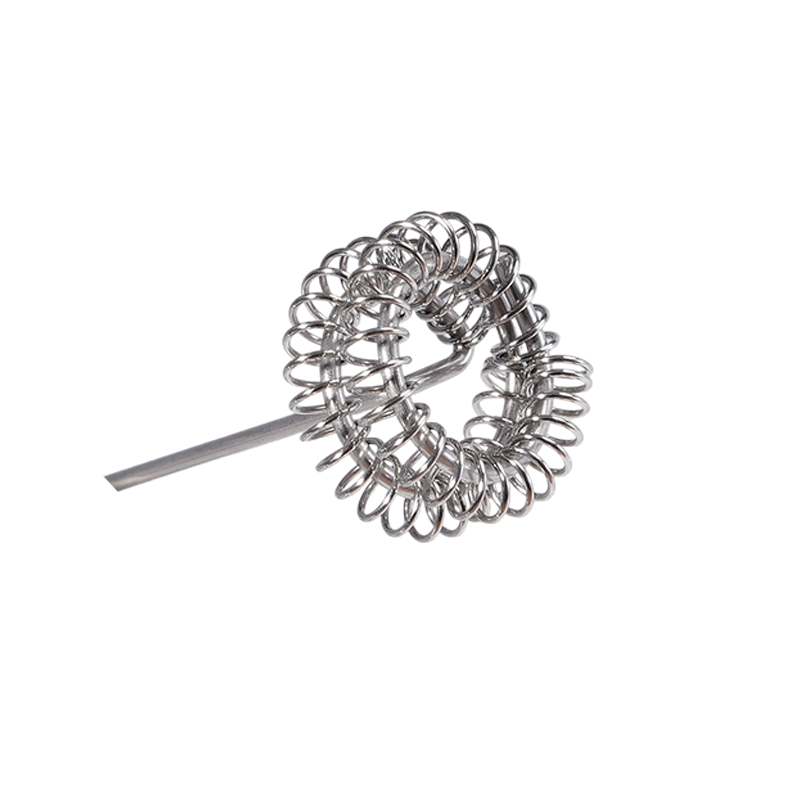 Handheld Electric Milk Frother with Battery OperationThis compact cordless frother weighs 167g and runs on two AA batteries, making it easy to whip up creamy foam for cappuccinos or lattes at home or on the go.View Product →
Frothing cream with a french press or mason jar
You do not need an electric frother to froth cream, but you will need a bit more patience and a slightly different approach.
With a French press, pour cold or slightly warm cream into the carafe, place the plunger in, and pump the plunger up and down about 15 to 20 times. The fine mesh screen creates enough aeration to produce a thick foam. The main risk is incorporating too much air, which can make the cream foam collapse quickly. Pump slower than you would with milk and watch the texture as you go.
With a mason jar, add the cream to the jar, seal the lid, and shake vigorously for about 30 to 45 seconds. This method works best for small quantities. The downside is that you are mixing in a lot of air at once, so the foam is less stable and will separate into a liquid layer within a few minutes. Pour immediately or re-shake gently right before drinking.
Both methods are useful when you are away from home or want to avoid pulling out another appliance. For daily use, however, an electric or USB rechargeable frother delivers a far more consistent and less physically tiring result. A battery-powered handheld whisk fits in a drawer, takes up no counter space, and lets you control the work without relying on a large electric jug frother or a steam wand.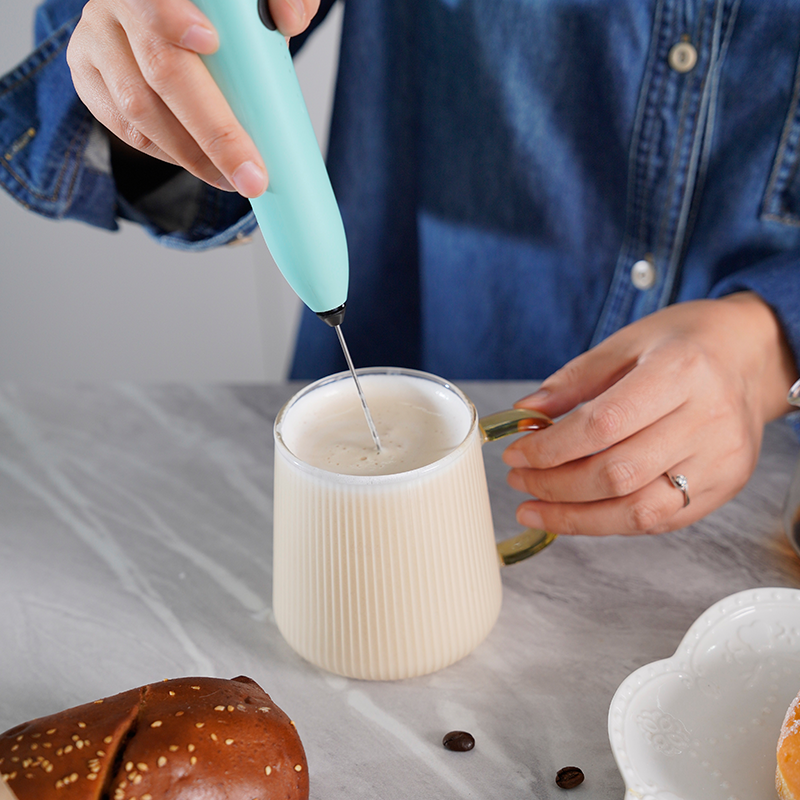 USB Rechargeable Three-Speed Milk FrotherWith three speed settings and a slim design, this rechargeable frother suits different milk types and is ideal for everyday coffee drinks with consistent foam.View Product →
Common mistakes when frothing cream instead of milk
The most frequent issue is using too much cream in the container. Because cream expands as it aerates, you can easily end up with foam overflowing the lip of your mug or pitcher. Start with no more than half the capacity of the container, especially if you are using heavy cream.
Another common mistake is frothing the cream for too long. With milk, over-frothing usually produces large bubbles but the drink is still usable. With cream, over-frothing can turn the liquid into a thick layer of whipped butter-like foam that will not dissolve into your coffee. If you plan to make a drink with a lot of hot coffee or espresso, keep the cream foam loose and airy.
Using full-fat cream in a steam wand is also a common error. The steam wand may be designed for milk, but cream will cling to the wand, create a sticky film, and in some cases cause the wand to sputter. If you have a steam wand, stick to milk or half-and-half. If you want to use pure cream, a handheld frother or a French press is the more reliable path.
Cold foam is one case where cream actually outperforms milk. When you make cold brew or iced lattes, frothing cold cream produces a dense, pillowy layer that sits on top of the beverage and adds a rich mouthfeel without diluting the coffee. Milk can also create cold foam, but it tends to be thinner and less decadent. For this style of drink, heavy cream or whipping cream gives the most impressive texture, as long as you do not blend it into the coffee.
Practical advice for choosing your equipment
If you are not sure whether to use a stand mixer, a handheld frother, or a dedicated milk frother for your cream experiments, consider two things: how often you make coffee and how much control you want.
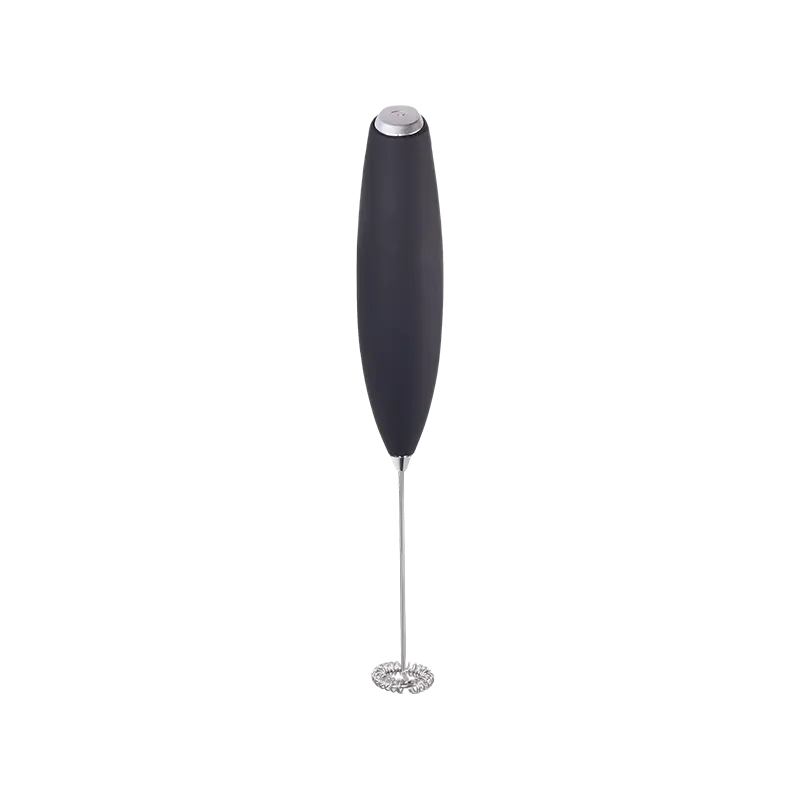
For someone who makes one or two drinks a day, a handheld electric milk frother is the best option. It handles milk, cream, half-and-half, and coffee creamer with equal ease, and it works with any mug, glass, or small pitcher. You can take it with you while travelling, and the battery or USB rechargeable versions do not need a cord, which makes them convenient in a small kitchen. Battery-Powered Handheld Milk Frother for CoffeeA portable tool using two AA batteries, this frother rapidly aerates milk and cream to create a stable foam for quick, convenient beverages without cords.View Product →
If you prefer a hands-free approach, an automatic milk frother with a heating coil works fine for milk but may overheat heavy cream. A battery-powered electric whisk is the safer choice for getting a consistent result across different fat levels and creamer types.
Does frothing cream instead of milk change the flavor
It does. Cream has a naturally sweeter, buttery taste that tends to highlight the richness of the coffee. Milk takes on a more neutral, slightly milky flavor after frothing, which is why it pairs so well with dark roasts. If your coffee is light or medium and you use heavy cream, you may notice a stronger dairy flavor and a denser body.
You should also think about sugar. Coffee creamers often contain added sugar, which caramelizes slightly when frothed. That can change the sweetness profile of your drink. If you are adding sugar separately, start with less than you normally would, because cream itself often tastes sweeter than milk in coffee.
The bottom line
Frothing cream instead of milk is a completely viable option for anyone who wants a thicker, richer foam with fewer bubbles and a more decadent mouthfeel. Heavy cream and half-and-half work best, and a handheld milk frother will give you the most forgiving and controllable experience. Keep an eye on timing and heat, and you can enjoy a cafe-style coffee texture at home without switching to a whole different brewing setup.
If you are purchasing equipment for this purpose, look for a frother that works equally well with both milk and cream, gives you control over speed, and is easy to clean. A USB rechargeable model with multiple speeds is the most flexible option because it can handle cream with a slower setting and milk with a faster, longer cycle.
Related products
-
-
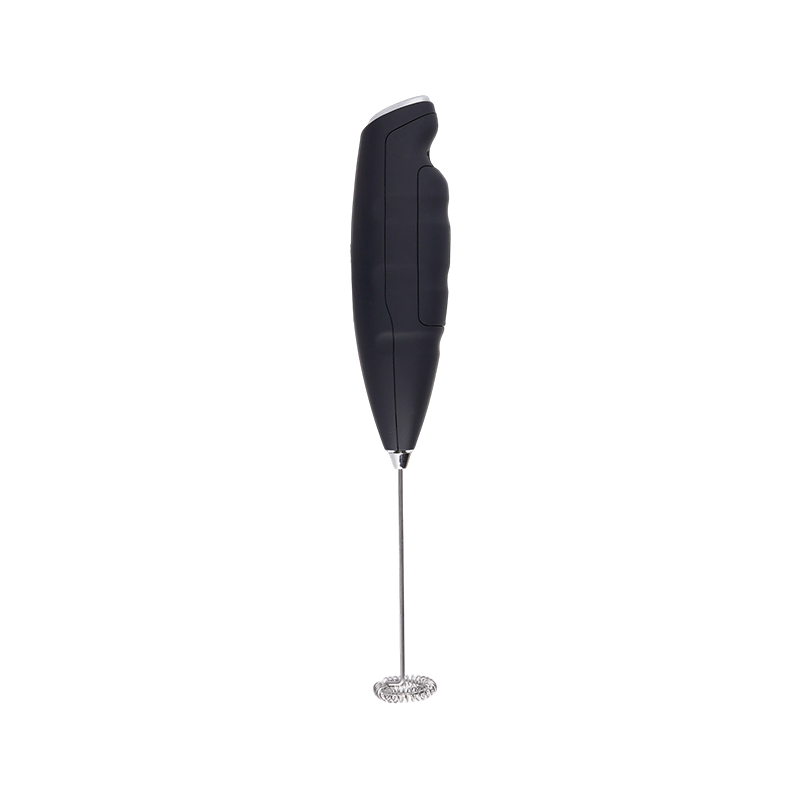
The Battery Powered Coffee Milk Drink Electric Whisk Mixer features a sleek and compact design, measuring just 3.8*3.5*23.8 cm, making it easy to carr...
See Details -
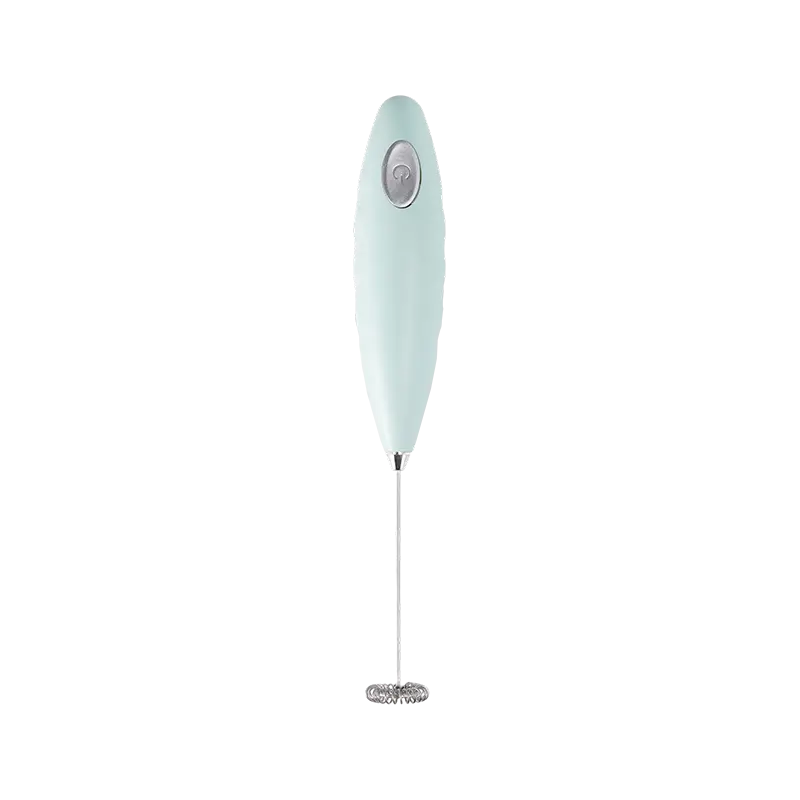
Designed for coffee enthusiasts, casual drinkers, and those seeking convenient milk frothing, this device combines portability, ease of use, and effic...
See Details -
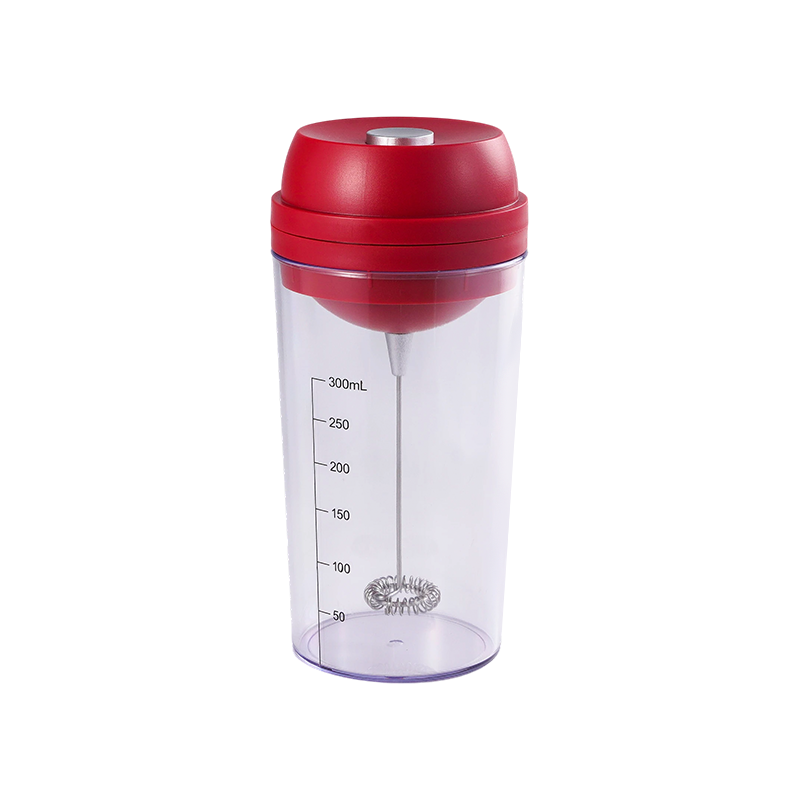
This dual-function device combines egg whisking and milk frothing, allowing users to seamlessly switch between tasks without using multiple devices. I...
See Details -
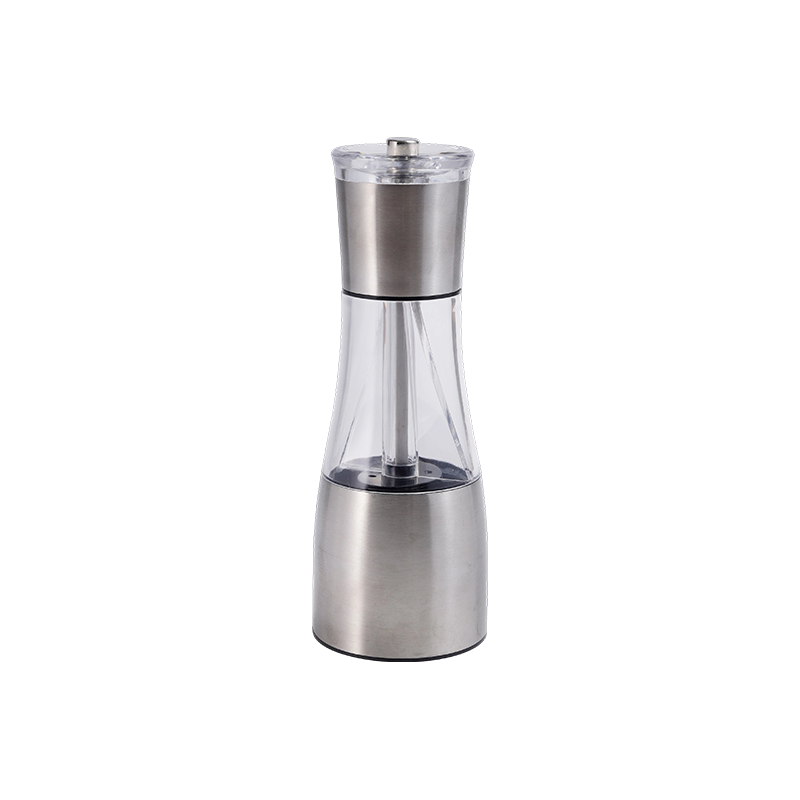
This grinder features a carefully designed grinding system that allows users to change the internal grinding components by rotating the top or a speci...
See Details -
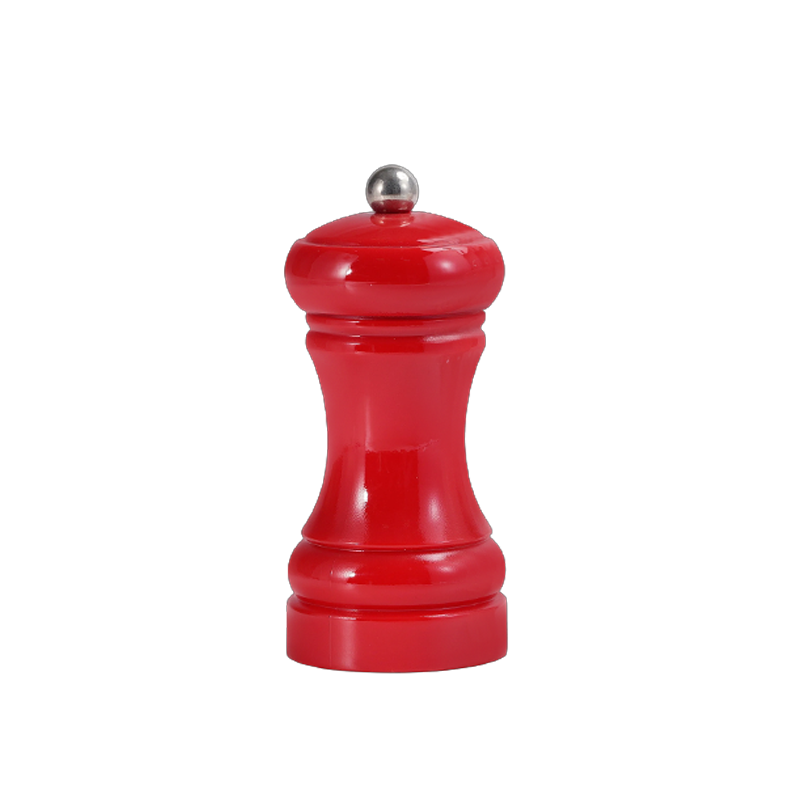
This grinder's manual operation gives you complete control over the coarseness of your grind. Unlike electric grinders, this manual operation allows y...
See Details
News
-
You pour your morning coffee and reach for the milk, but it's empty. You grab the bottle of creamer...
READ MORE -
Yes, You Can Make Cold Foam with Creamer Yes, you can make cold foam with coffee creamer. The resul...
READ MORE -
Regular Cleaning After Every Use Is the Single Most Important Thing You Can Do for Your Frother's L...
READ MORE -
What to Look for First If you want the fast recommendation: choose an electric milk frother with bo...
READ MORE
If you are interested in our products, please consult us
-
Product
Electric Milk Frother Electric Salt & Pepper Mill Manual Salt & Pepper Mill Electric Wine Opener -
Quick Links
About Us Products Service FAQ News -
Contact Information
Room 1704, Building 4, Zhenaoyuan, Xixing Street, Binjiang District, Hangzhou City, Zhejiang Province, China+86-13429230897 -

Copyright © Hangzhou Shengrong Trading Co., Ltd. All Rights Reserved.
 Custom Automatic Electric Milk Frother Manufacturers
Custom Automatic Electric Milk Frother Manufacturers