

 English
 русский
 Español
 Deutsch
 عربى
عربى 中文简体
中文简体
The Kitchen Handheld Electric Milk Frother measures 7.7 x 7.7 x 18.2 cm and weighs 167 grams, making it easy to use and store. Its compact size ensure...
See Details

Americano vs Latte vs Cappuccino: Key Differences and How to Make Each
Content
Standing in front of a café menu, the three names can be confusing. Americano, latte, and cappuccino all start from the same base: a shot of espresso. The rest is a matter of water and milk. Here is the short answer: an Americano is espresso plus hot water, a latte is espresso mostly filled with steamed milk and a thin foam layer, and a cappuccino is equal parts espresso, steamed milk, and dense milk foam.
The Core Difference: Espresso, Water, and Milk
Before comparing, it helps to fix the espresso shot as the reference point. A single espresso shot is typically 30 ml (1 fl oz). The grind, tamp, and extraction time create the crema and concentrated flavor. What you add to that shot changes everything.
The table below shows the standard recipe ratios and typical outcomes for each drink:
| Drink | Base | Milk / Foam | Total Volume | Texture |
|---|---|---|---|---|
| Americano | 1 shot espresso (30 ml) | 90–120 ml hot water | 120–150 ml | Thin, clean, no milk |
| Latte | 1 shot espresso (30 ml) | 90 ml steamed milk + thin foam | 120–150 ml | Silky, milk-forward |
| Cappuccino | 1 shot espresso (30 ml) | 60 ml steamed milk + 60 ml foam | 150–180 ml | Airy, stable foam dome |
The ratios matter because they determine mouthfeel, caffeine strength, and calorie count. An Americano keeps the espresso character with no added fat or sugars. A latte is much gentler, because the milk volume dilutes the coffee bitterness. A cappuccino sits in between, with more foam and less liquid milk than a latte.
Americano: Espresso with Hot Water
Americano is the simplest drink to make. You pull an espresso shot, then add hot water. The usual ratio is 1 part espresso to 3–4 parts water, which yields a total volume of about 120–150 ml.
Why does it matter? Because the water does not just fill the cup; it changes how the flavors release. The coffee stays black and clear, so you taste the origin notes of the beans, the roast level, and the extraction quality. It is essentially a long black coffee, closer to drip coffee but with the richness of espresso. If you are sensitive to the acidity of straight espresso, the water softens the edge without adding sweetness or cream.
Because there is no milk, an Americano does not require any milk frothing equipment. It is also the leanest choice in calories. If you order one with 120 ml of water and a single shot, you stay at around 5 kcal. The main risk is choosing a weak ratio: too much water muddies the flavors, too little water makes it taste like a watery shot. A good starting point is 1:3, then adjust to your palate.
Latte: The Milk-Forward Classic
A latte is the drink for anyone who wants a smooth, slightly sweet coffee without harsh bitterness. The recipe is flexible, but a common standard is 1 shot espresso with about 90 ml of steamed milk and a thin layer of microfoam. The final volume is around 120–150 ml.
The key is milk texture. Steamed milk that is heated to 60–65°C and lightly aerated creates a velvety consistency. The foam layer should be shallow, usually 5–10 mm, so the drink feels creamy rather than foamy. If the milk gets too hot, it loses sweetness and can turn scorched; if it is not steamed enough, the latte will feel heavy and flat.
Latte is often served in a larger cup, which gives the barista room to pour latte art. For home brewers, a handheld milk frother can produce enough microfoam for a decent latte. Because the milk volume is high, the caffeine strength is moderate; you still get the espresso energy, but it is spread across more liquid.
Cappuccino: The Balanced Foam Experience
Cappuccino is a study in balance. The classic composition is 1 shot espresso, 60 ml steamed milk, and 60 ml dense foam. That gives you equal parts, and the drink typically reaches 150–180 ml in volume.
The foam is the most distinctive feature. It should be thick enough to hold a spoon on top, with bubbles small and shiny. The texture is comfortable on the palate but steady. Cappuccino is often served in a smaller cup than a latte because the foam provides the body. If you want a stronger coffee taste relative to milk, cappuccino is a better pick than a latte. If you want the milk to be the star, the latte wins.
Cappuccino relies heavily on good frothing. A dedicated milk frother with adjustable speed can help you achieve the right foam density. You can get the same stable foam at home, but the tool matters more than you think. An electric frother consistently heats and aerates the milk, while a manual whisk takes practice.
Which Should You Choose?
Choose Americano if you want a straightforward, low-calorie coffee and you prefer the taste of the beans without milk. Choose latte if you like a gentle drink that is milk-forward and easy to sip throughout the morning. Choose cappuccino if you enjoy the combination of rich coffee and a creamy yet airy foam, and you are okay with a little less milk in your cup.
The choice also affects how much caffeine you get. The caffeine content depends on the number of shots, not the type. A single shot in all three drinks contains roughly 63 mg of caffeine. If you order a double shot, that number doubles. The difference is just how the volume and milk change the perceived strength. A latte can feel milder because the milk coats your palate, but the caffeine is still the same.
If you are making these coffee beverages at home, the quality of your espresso and milk foam is what separates a good drink from a mediocre one. Well-made milk foam can elevate a simple latte or cappuccino into a café-quality result. This is why a reliable milk frother is a practical investment for home coffee enthusiasts, especially as home barista trends continue to grow. Read how electric milk frothers are becoming essential home barista tools.
Making Them at Home: Tools and Techniques
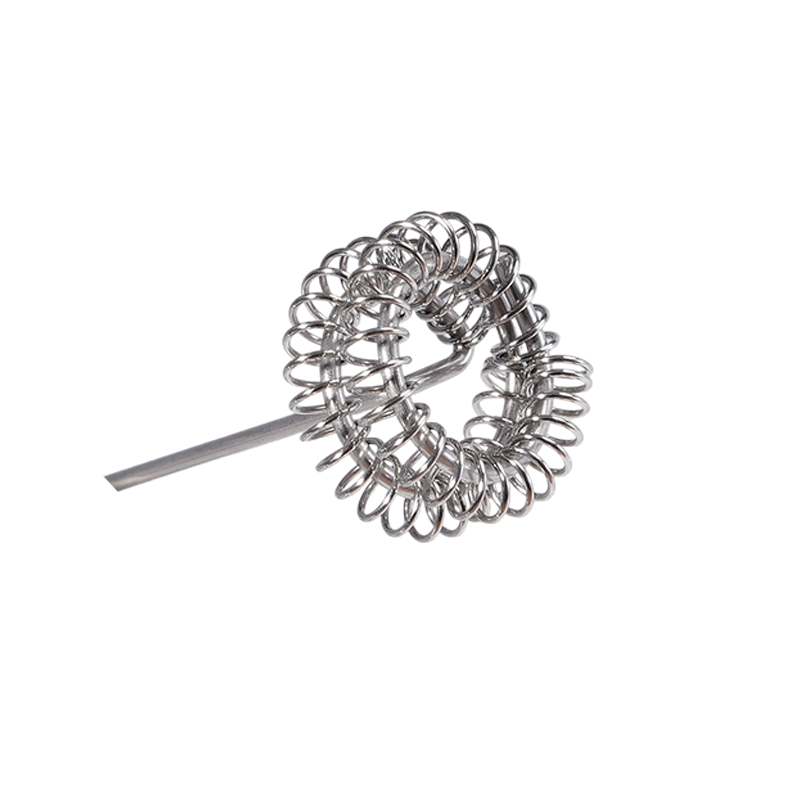
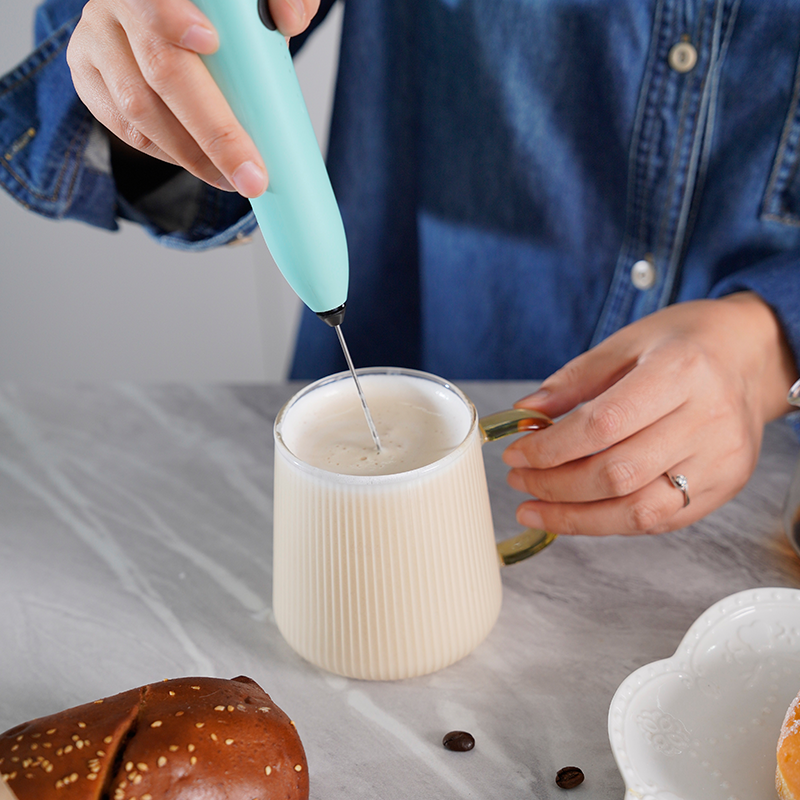
To make Americano, you only need an espresso machine or a moka pot plus hot water. For latte and cappuccino, you need milk foam. A battery-powered handheld milk frother is a compact choice. It lets you create fine foam in a cup or pitcher within 30–60 seconds, and it is easy to store when not in use.
 Battery-Powered Handheld Milk Frother for Compact KitchensThis compact, battery-powered frother is ideal for quick foam without cords. Its lightweight build and AA batteries suit small kitchens or outdoor use, per the surrounding text about making latte and cappuccino easily.View Product →
If you prefer more control over foam thickness, a USB rechargeable milk frother with multiple speeds is worth considering. You can choose a low speed for a latte's thin microfoam or a higher speed for a cappuccino's dense foam. Many models are cordless, so you can bring them to the table or even on a trip.
 USB Rechargeable 3-Speed Milk Frother for Custom FoamOffering three speeds, this cordless frother lets you adjust foam texture for milk or plant-based drinks. Its rechargeable design fits the context of needing control over thin microfoam or dense foam for different coffee styles.View Product →
For those who want even less manual effort, an automatic stainless steel milk frother that fits on a base can heat and froth milk at the same time. It handles milk in larger batches and produces a consistent result, which is helpful when making drinks for family or guests.
 Automatic Stainless Steel Milk Frother with Stable BaseThis automatic frother heats and froths milk in larger batches, ensuring consistent results. Its stainless steel build and base provide stability, aligning with the previous discussion about effortless preparation for family or guests.View Product →
Once you understand the three drinks, ordering or brewing becomes much easier. For Americano, keep it simple; for latte and cappuccino, stay mindful of milk ratios and foam. With the right tool, you can produce a decent cappuccino or latte at home without a commercial espresso setup. We have spent years manufacturing milk frothers for kitchens and coffee lovers around the world. If you want to know more about our company, visit our about page.
Related products
-
-
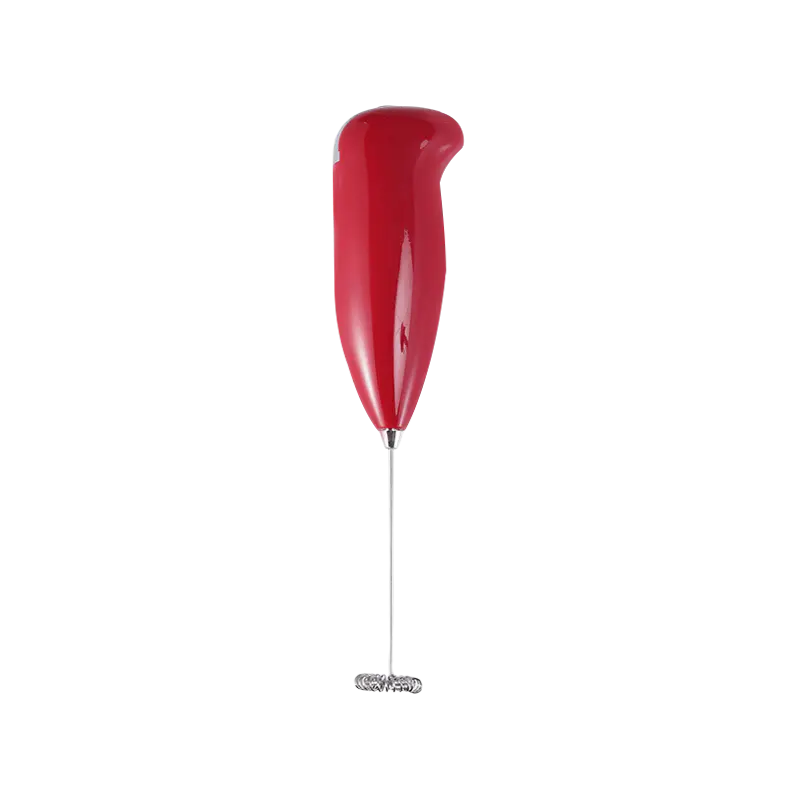
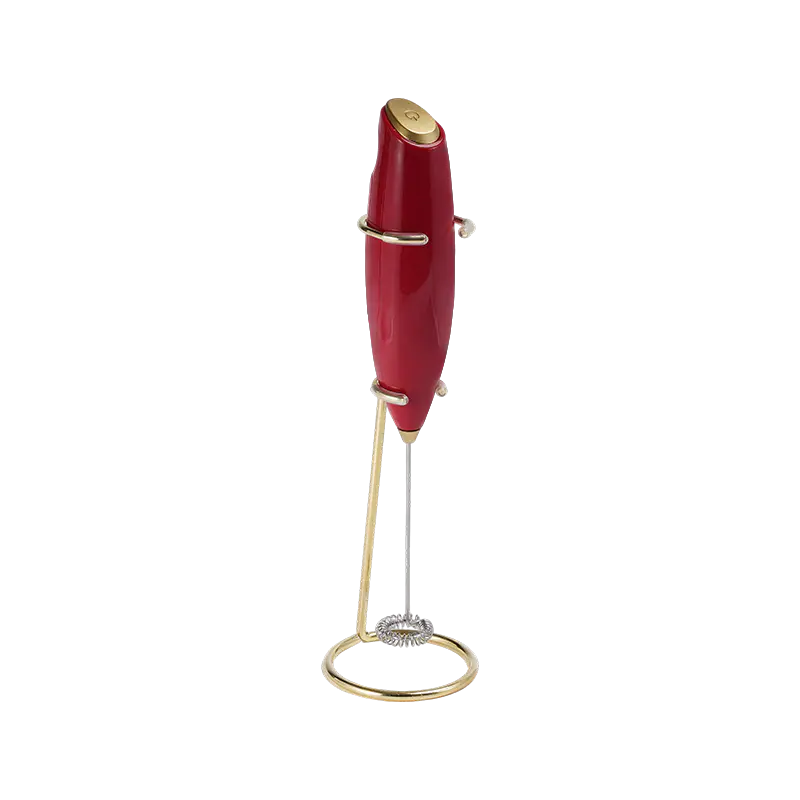
One of the most prominent features of this coffee stirrer is its automatic rotating stirring mechanism. The stirrer is powered by two AA batteries, an...
See Details -
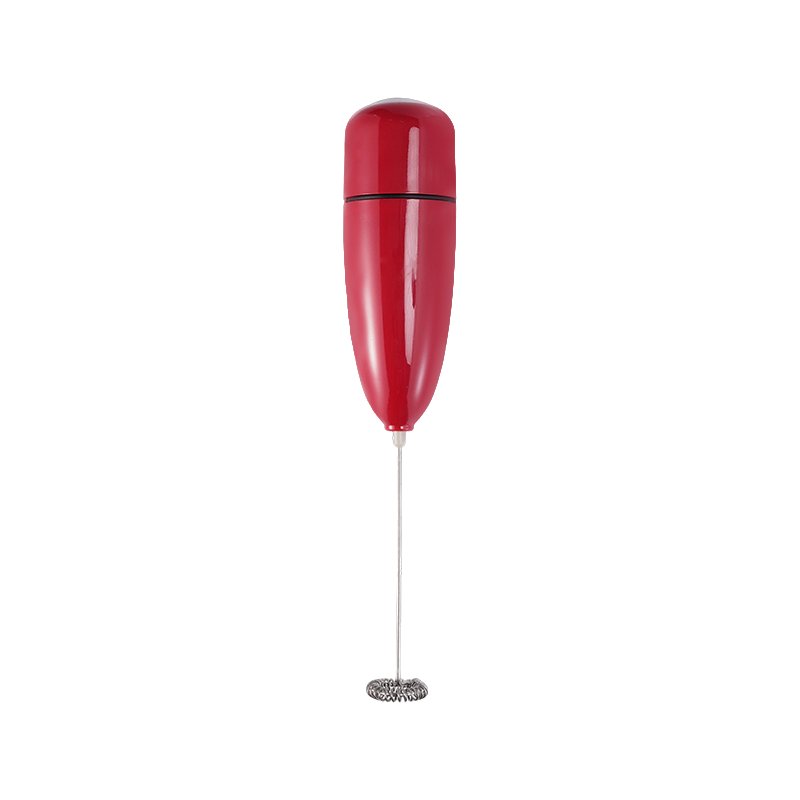
The Electric Multifunctional Household Lightweight Hand Blender is a compact, versatile, and efficient kitchen tool. Its versatility extends beyond st...
See Details -
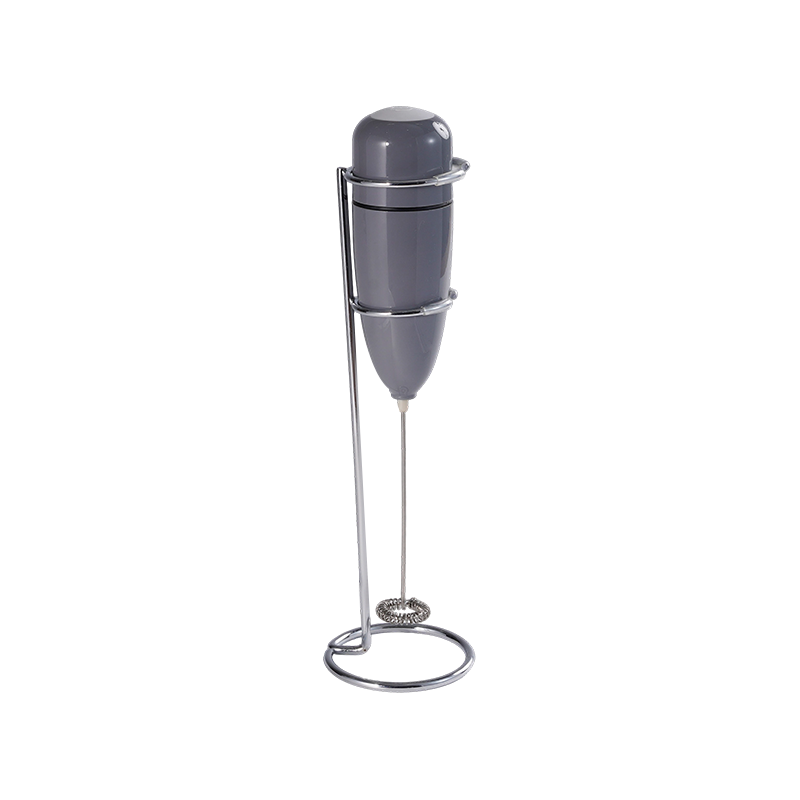
The handheld battery-powered milk frother with bottle measures 6.3 x 6.3 x 25.8 cm and weighs only 181 grams. Its lightweight design ensures users can...
See Details -
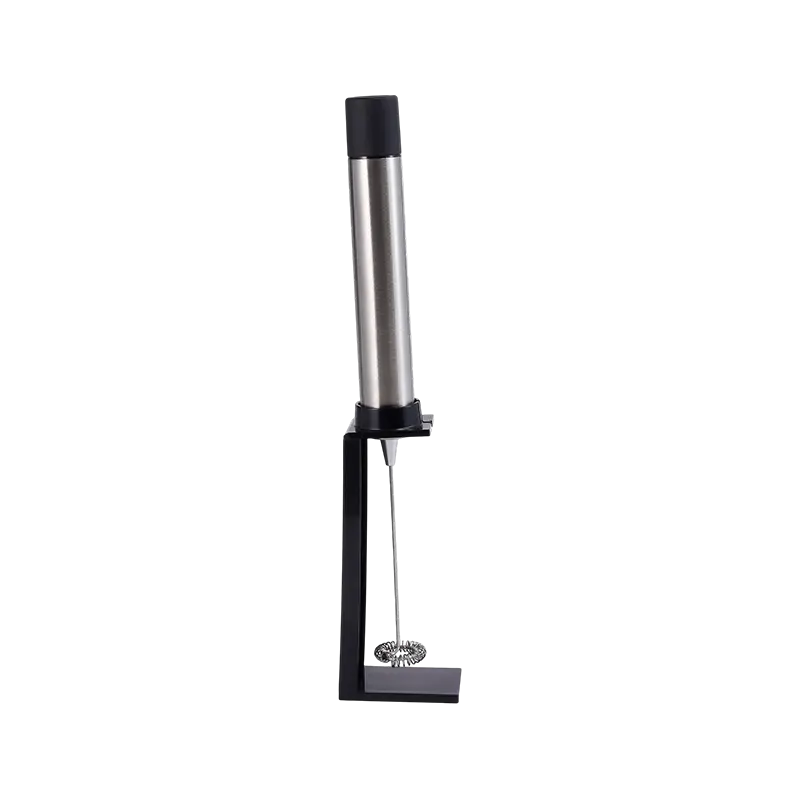
The stainless steel automatic electric milk frother with base measures 4x4x28 cm and weighs 62 grams, making it compact and portable. The outer carton...
See Details -
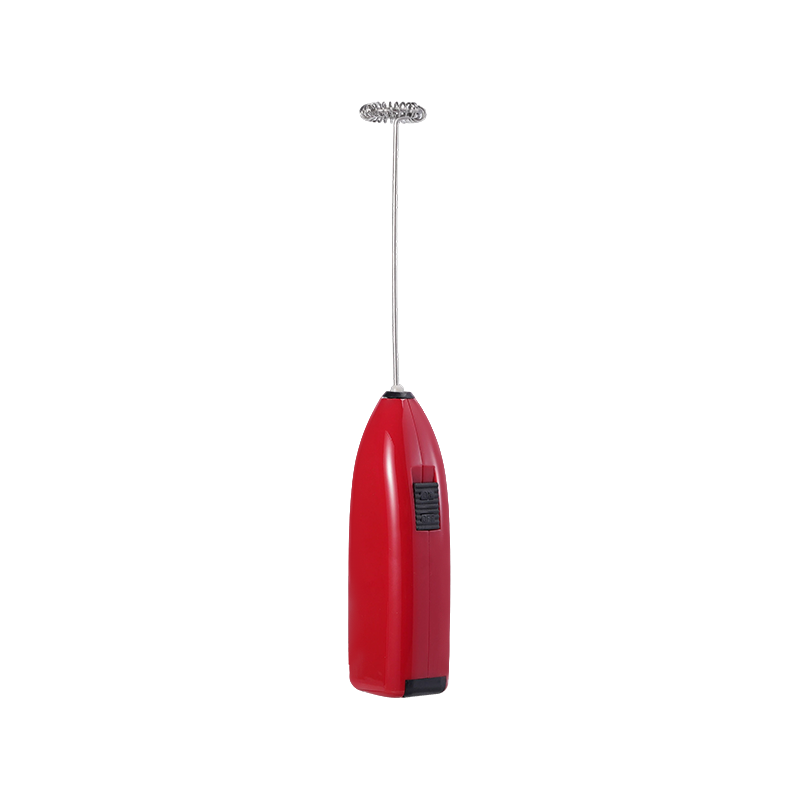
This blender has a width of 4 centimeters, a depth of 3.1 centimeters, and a height of 21.2 centimeters. It features a stylish cylindrical shape that ...
See Details
News
-
Choose a handheld electric milk frother if you want a compact, inexpensive tool mainly for adding li...
READ MORE -
Regular Cleaning After Every Use Is the Single Most Important Thing You Can Do for Your Frother's L...
READ MORE -
On a quiet Saturday morning, you want a cappuccino, not a cup of drip coffee. You do not need an es...
READ MORE -
The Short Answer: What Makes a Good Electric Wine Opener If you only remember one thing from this g...
READ MORE
If you are interested in our products, please consult us
-
Product
Electric Milk Frother Electric Salt & Pepper Mill Manual Salt & Pepper Mill Electric Wine Opener -
Quick Links
About Us Products Service FAQ News -
Contact Information
Room 1704, Building 4, Zhenaoyuan, Xixing Street, Binjiang District, Hangzhou City, Zhejiang Province, China+86-13429230897 -

Copyright © Hangzhou Shengrong Trading Co., Ltd. All Rights Reserved.
 Custom Automatic Electric Milk Frother Manufacturers
Custom Automatic Electric Milk Frother Manufacturers