Home / News / Industry News / Handheld vs. Countertop Electric Milk Frothers: Key Differences Explained
News

Handheld vs. Countertop Electric Milk Frothers: Key Differences Explained

2026-08-24

Choose a handheld electric milk frother if you want a compact, inexpensive tool mainly for adding light foam to a single cup, and choose a countertop electric milk frother if you want consistent café-style microfoam, built-in heating, and the ability to froth larger volumes for multiple drinks at once. Handheld models typically cost $10-$20 and take up almost no storage space, while countertop models run $30-$100 and deliver more consistent, restaurant-quality results. The comparisons below break down exactly where each option wins.

Quick Answer: Which One Fits Your Routine

Before getting into the technical detail, here is the fastest way to decide:

  1. Choose a handheld frother if you make one cup at a time, have limited counter or storage space, or want the lowest-cost option.
  2. Choose a countertop frother if you want consistent microfoam texture, built-in heating, or need to froth enough milk for multiple drinks or guests.
  3. If you're an occasional latte drinker who mostly wants foam on top of coffee rather than steamed, textured milk, a handheld frother is usually sufficient.

How Each Type Works

Handheld Frothers

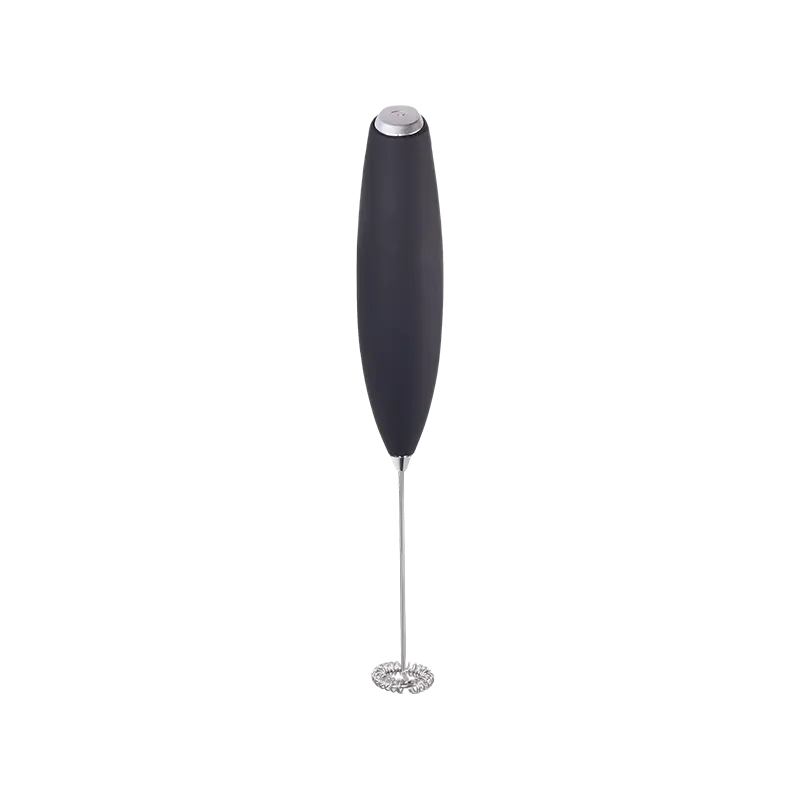
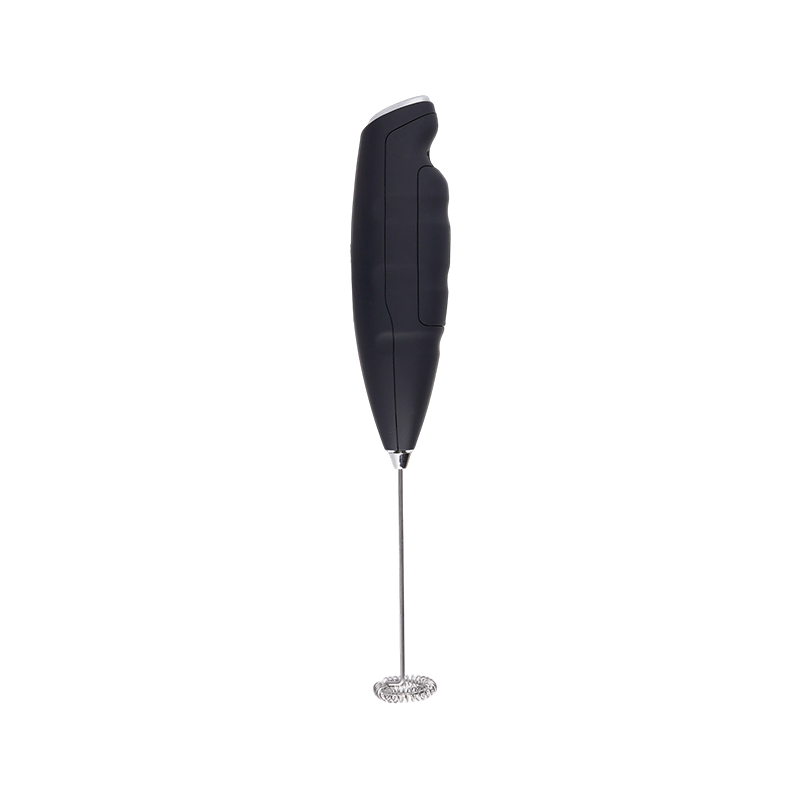
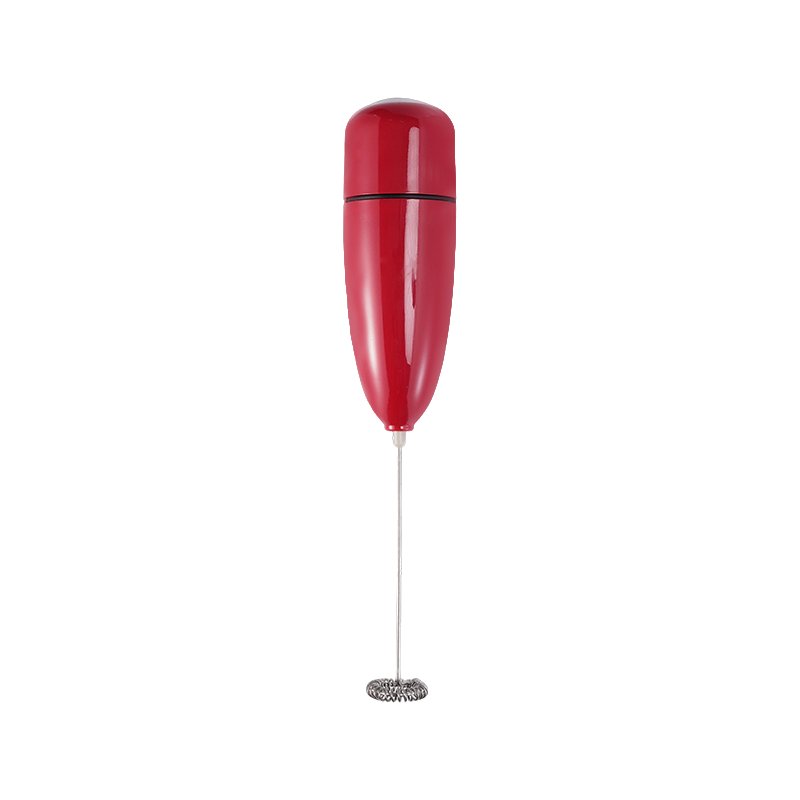
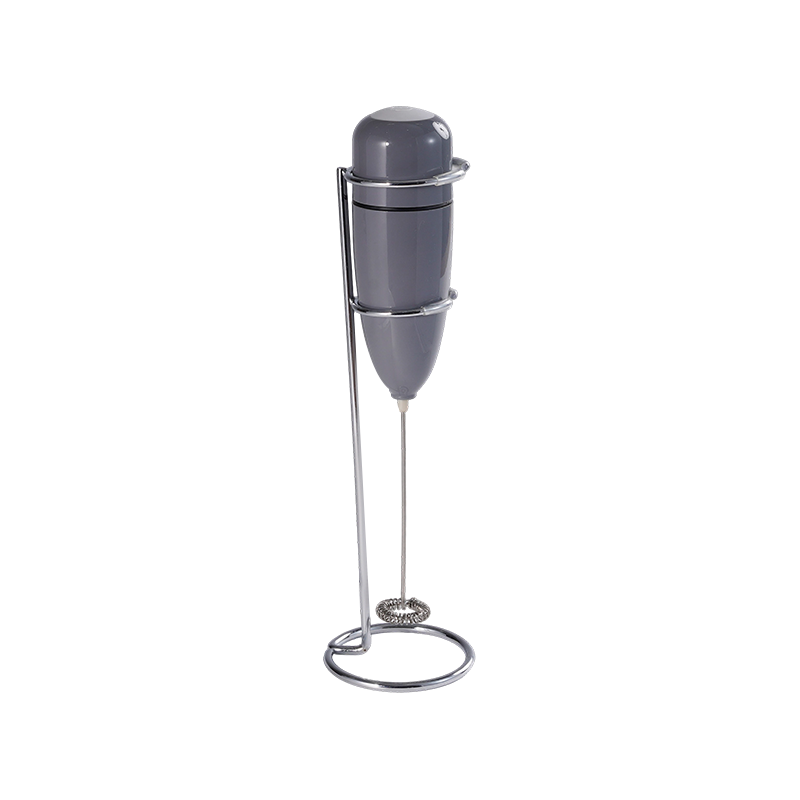
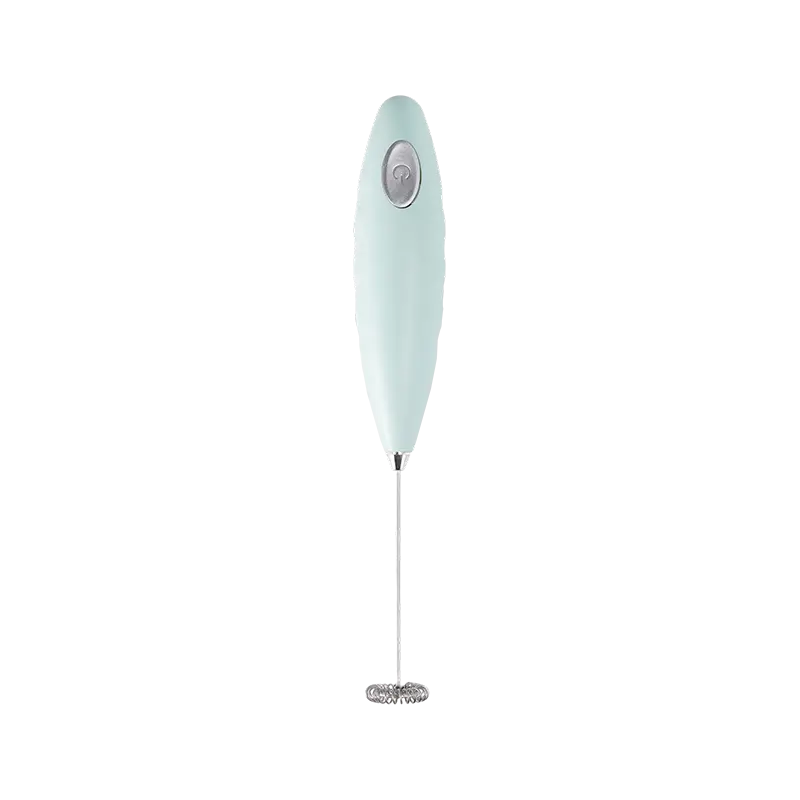
A handheld frother uses a small motor to spin a whisk head that is manually held inside a cup or container of milk. The user controls the depth, angle, and duration of frothing by hand, which introduces air into the milk to create foam.

Countertop Frothers

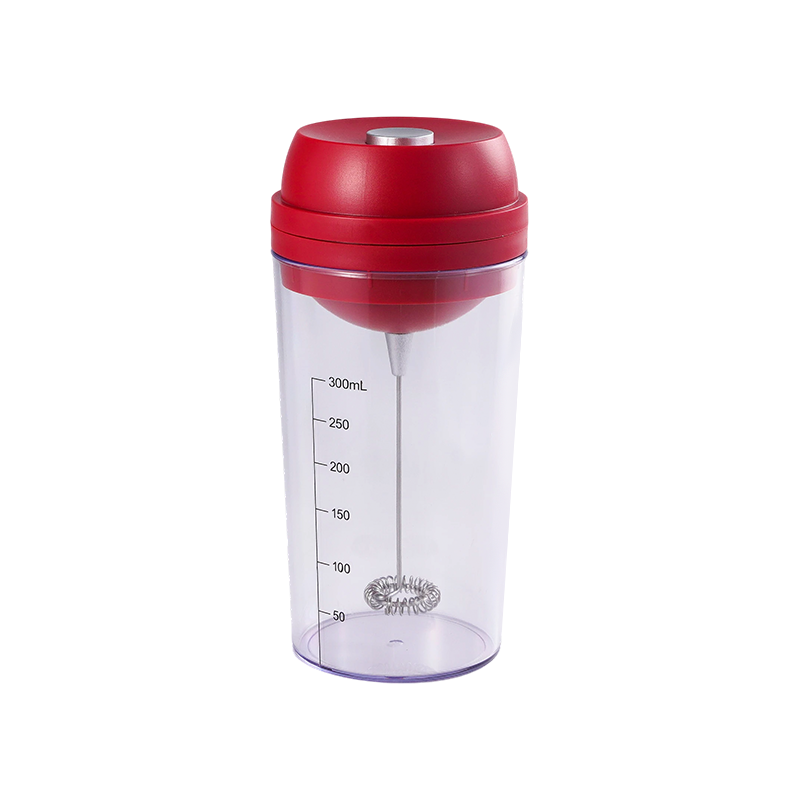
A countertop frother is a self-contained appliance with its own milk container, internal whisk or induction-based magnetic stirrer, and often a built-in heating element. The user pours milk into the container, selects a setting (cold foam, hot foam, or heated milk without foam), and the machine handles the entire process automatically.

Side-by-Side Comparison

Factor Handheld Frother Countertop Frother
Typical Price $10-$20 $30-$100
Foam Consistency Variable, depends on user technique Consistent, automated process
Built-In Heating No, milk must be pre-heated separately if needed Yes, most models heat and froth in one step
Batch Size One cup at a time Typically 4-16 oz per batch, enough for multiple drinks
Storage/Counter Space Minimal, fits in a drawer Requires dedicated counter space
Cleanup Quick rinse of the whisk head Removable container, often dishwasher-safe
Key differences between handheld and countertop electric milk frothers

Foam Quality: Why Countertop Models Have the Edge

Countertop frothers generally produce more consistent microfoam — the fine, velvety texture used in lattes and cappuccinos — because the whisking mechanism, container shape, and speed are all engineered together as a fixed system. A handheld frother's results depend heavily on the user's angle and depth in the cup, which means foam texture can vary noticeably between uses, especially for beginners still learning the right technique.

That said, for someone who just wants a bit of foam on top of a cup of coffee rather than latte-art-quality microfoam, a handheld frother is often more than sufficient and far less expensive to achieve that result.

Heating: A Key Differentiator for Cold Weather and Hot Drinks

One of the most practical differences between the two types is heating capability. A handheld frother only introduces air into milk — if you want hot frothed milk, you need to heat the milk separately in a microwave or on the stove first. A countertop frother, by contrast, typically includes an internal heating element that can froth and heat milk simultaneously, often reaching a target temperature in 60-90 seconds depending on the volume and model.

Batch Size and Everyday Convenience

  • Handheld frothers are limited to whatever volume fits in the cup you're using, making them impractical for frothing milk for more than one drink at a time.
  • Countertop frothers with dedicated containers can typically handle enough milk for 2-4 drinks in a single batch, which matters for households or small offices making multiple coffees at once.
  • For entertaining guests or a household with multiple coffee drinkers, the batch capacity of a countertop model often outweighs its higher upfront cost.

Common Mistakes When Choosing Between the Two

  • Buying a handheld frother expecting café-quality microfoam consistently — technique-dependent results can frustrate beginners.
  • Buying a countertop frother for a single-cup, occasional-use routine, when a much cheaper handheld model would have been sufficient.
  • Overlooking milk type compatibility — some budget frothers, handheld or countertop, struggle to properly foam lower-fat or plant-based milks without a setting designed for them.
  • Ignoring cleanup requirements — countertop containers with hard-to-reach whisk mechanisms can be more tedious to clean than a simple handheld whisk head.

Final Checklist Before You Buy

Use this checklist to make your final decision:

  • Do you need hot frothed milk, or is room-temperature foam acceptable? → Countertop models with heating win here
  • Are you frothing for one person or several drinks at once? → Countertop models handle larger batches more easily
  • Is counter space or storage limited? → Handheld frothers take up almost no space
  • Is budget the primary concern? → Handheld frothers offer the lowest-cost entry point
  • Do you want consistent, repeatable microfoam texture every time? → Countertop models deliver more reliable results

Neither option is universally "better" — a handheld frother is the practical choice for casual, single-cup use, while a countertop frother earns its higher price tag for anyone who wants consistent, café-style results or needs to froth milk for more than one drink at a time.

News