The Short Answer: What Makes a Good Electric Wine Opener
If you only remember one thing from this guide, remember this: choose a rechargeable (USB) electric wine opener with a foil cutter included, rated to open at least 30 bottles per charge. This combination solves the three biggest complaints people have about electric openers — dead batteries, exposed corkscrew mechanisms getting stuck on foil, and disappointing longevity. Battery-powered models using AA batteries are cheaper upfront (often $15-25) but cost more over time and are less reliable in humid environments. Rechargeable models ($25-45) dominate customer satisfaction ratings on major retail platforms, with many maintaining 4.3+ star averages across thousands of reviews.
Below, we break down exactly why this recommendation holds up, what trade-offs to expect, and how to match a specific model to your actual drinking habits — whether that's an occasional glass on weekends or nightly use in a restaurant or wine bar setting.
Pros: Why People Switch to Electric Wine Openers
The appeal of electric wine openers isn't just novelty. Across user feedback and hands-on testing, three benefits consistently stand out.
Speed and Effortless Operation
A standard electric opener removes a cork in 5 to 8 seconds, compared to 15-30 seconds with a manual lever or waiter's corkscrew — and with zero wrist strain. This matters more than it sounds for people with arthritis, carpal tunnel syndrome, or limited grip strength, for whom manual openers can be genuinely painful rather than just inconvenient.
Consistency Reduces Cork Breakage
Manual corkscrews depend on the user applying even, controlled pressure. Uneven pulling is the leading cause of cork crumbling, especially with older wines or synthetic corks. Electric openers apply steady, motor-driven torque, which is why many reviewers report a noticeable drop in broken or crumbled corks after switching — a common estimate cited by users is fewer than 1 in 20 attempts resulting in a broken cork, versus a much higher rate with cheap manual openers.
Better for Entertaining and High-Volume Use
If you're opening multiple bottles at a dinner party or running a small tasting event, an electric opener lets you go through bottle after bottle without hand fatigue. Higher-end rechargeable models can open 30-80 bottles on a single charge, which comfortably covers a full evening of hosting.
Cons: What Nobody Tells You Before You Buy
Electric wine openers aren't perfect, and understanding the downsides upfront prevents buyer's remorse.
- Battery dependency: dead batteries at the exact moment you need the opener is the single most common one-star review complaint across marketplaces.
- Struggles with very old or dry, crumbly corks — the motor can shred a fragile cork rather than lifting it cleanly.
- Bulkier and heavier than a simple waiter's corkscrew, making it less practical for picnics, travel, or camping.
- Higher upfront cost — a decent unit runs $20-50, compared to $5-10 for a basic manual corkscrew.
- Requires occasional maintenance: the worm (spiral) needs periodic cleaning of dried wine residue, or extraction becomes less smooth over time.
None of these are dealbreakers for most households, but they explain why sommeliers and professional waitstaff still often carry a manual waiter's corkscrew as backup, even when an electric opener is their primary tool.
Key Factors to Compare Before Buying
Once you've decided an electric opener fits your lifestyle, the real decision is choosing between the many models on the market. These five factors matter most.
Power Source: Rechargeable vs. Disposable Batteries
USB-rechargeable models are the current industry standard for good reason. A full charge (typically 2-3 hours) usually delivers 30 to 80 bottle openings, and a charging indicator light tells you when it's running low — no surprises mid-party. AA battery models remain on the market mainly because they're cheaper and don't require remembering to charge, but users report inconsistent battery life and more frequent power failures, especially with off-brand batteries.
Foil Cutter Inclusion
Roughly a third of negative reviews for budget models cite the absence of a foil cutter as a major annoyance, since you still need a separate tool to remove the capsule before the opener can grip the cork. Sets that bundle a foil cutter save an extra purchase and speed up the whole process.
Build Material and Grip
Stainless steel bodies resist wine stains and are easier to wipe clean than plastic-coated ones, which can absorb odor and discoloration over years of use. A rubberized grip band around the base also matters more than people expect — without it, the opener can slip during the initial cork-gripping phase, especially with wet hands.
Noise Level
Motor noise varies significantly between models — some are near-silent, while cheaper units produce a noticeable whirring or grinding sound. This is a minor point for most buyers but matters if you're using the opener in a quiet dining setting or a small apartment.
Warranty and Replacement Parts
Because the worm is a wear part, look for brands offering at least a 1-year warranty and, ideally, sale of replacement worms separately — this alone can double the usable lifespan of the device instead of forcing a full replacement purchase.
Electric vs. Manual: A Side-by-Side Comparison
The table below summarizes how electric openers stack up against traditional manual corkscrews across the factors that matter most in daily use.
Comparison based on typical mid-range products and aggregated user review data
| Factor |
Electric Opener |
Manual Corkscrew |
| Time per bottle |
5-8 seconds |
15-30 seconds |
| Physical effort required |
Minimal |
Moderate to high |
| Upfront cost |
$20-50 |
$5-15 |
| Portability |
Bulkier, needs charging |
Compact, no power needed |
| Performance on old/dry corks |
Can struggle or shred |
Better control |
| Maintenance |
Periodic charging and cleaning |
Minimal |
| Best for |
Entertaining, limited grip strength, frequent use |
Travel, backup, wine enthusiasts who value control |
Real-World Experience: What Long-Term Owners Report
Reading a spec sheet only tells part of the story. Patterns across long-term owner feedback (six months to two years of use) reveal a few consistent themes worth knowing before you buy.
First, the charging habit matters more than the battery capacity number. Owners who keep the opener on its charging dock between uses almost never report a dead-battery failure. Those who let it sit unused for weeks are far more likely to grab it mid-dinner only to find it dead — this is a usage-pattern issue, not strictly a product flaw, but it's worth factoring into which model you choose (some newer models include a low-battery LED warning specifically to address this).
Second, cleaning frequency correlates directly with longevity. Wine residue that dries on the worm attracts more residue over time, gradually increasing motor strain until the device either slows down or stops gripping corks properly. A quick wipe with a damp cloth after each use — taking under 30 seconds — is the single most effective way to extend a unit's working life well past its warranty period.
Third, households that entertain frequently (defined loosely as opening more than 8-10 bottles per month) report the highest satisfaction, since that's where the time savings and reduced physical effort compound the most. Occasional drinkers who open one bottle every week or two often find a mid-range manual opener perfectly adequate and don't necessarily justify the extra cost.
Who Should (and Shouldn't) Buy an Electric Wine Opener
Matching the product to your actual habits avoids wasted money. Use the breakdown below as a quick self-check.
- Frequent hosts and entertainers — a rechargeable model with foil cutter is close to essential for efficiency.
- People with arthritis, weak grip, or hand pain — electric openers meaningfully reduce discomfort and are often recommended by occupational therapists as an assistive tool.
- Restaurants, wine bars, and event staff — durability and battery capacity should take priority over price.
- Casual, occasional drinkers — a quality manual waiter's corkscrew is usually sufficient and more portable.
- Frequent travelers or campers — stick with manual; batteries and charging cables add unnecessary complexity on the road.
If you fall into more than one category — say, an occasional traveler who also hosts dinner parties at home — owning both an electric opener for home use and a compact manual corkscrew for travel covers essentially every scenario without compromise.
An electric wine opener is worth buying if you open wine regularly, entertain guests, or find manual corkscrews physically uncomfortable. Prioritize a rechargeable model with a built-in or bundled foil cutter, a stated capacity of 30+ bottles per charge, and at least a 1-year warranty — this combination addresses the most common complaints (dead batteries, missing accessories, short product lifespan) reported by real owners. If you're a light, occasional drinker or someone who values portability above convenience, a well-made manual corkscrew remains the more practical and cost-effective choice.


 English
 русский
 Español
 Deutsch
 عربى
عربى 中文简体
中文简体


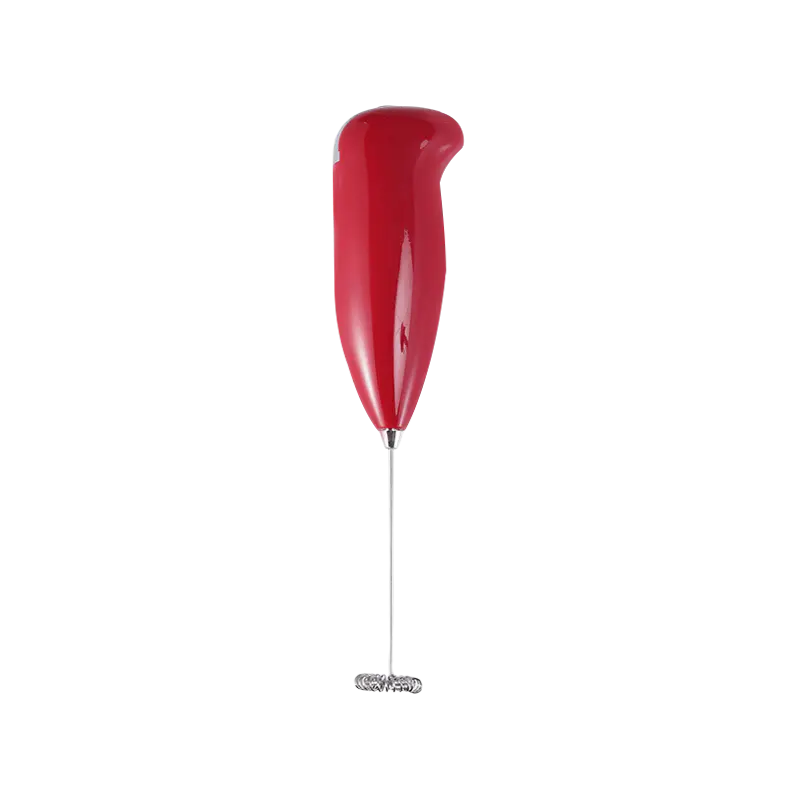
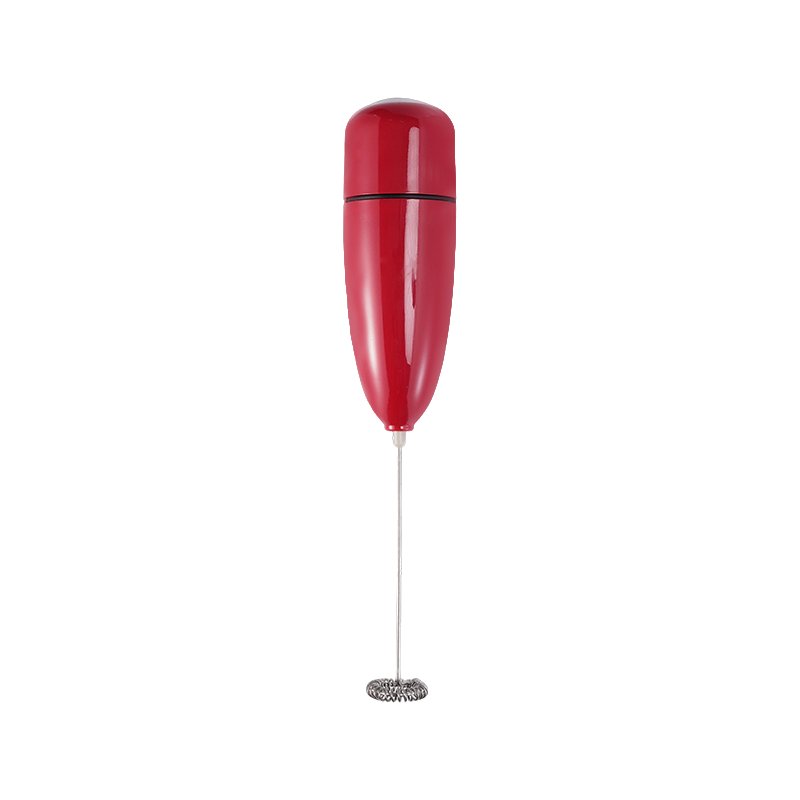
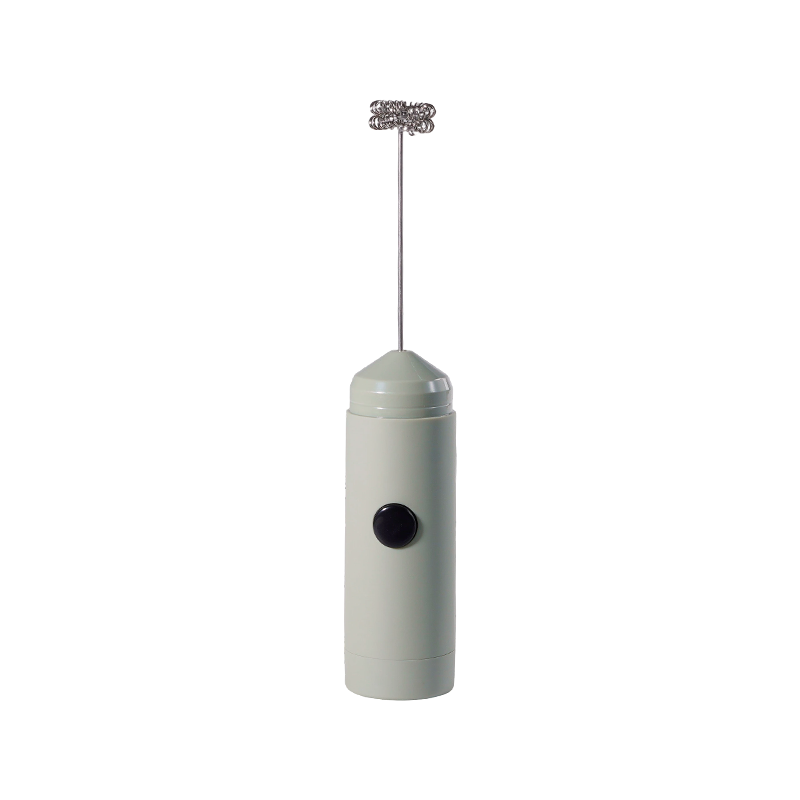

 Custom Automatic Electric Milk Frother Manufacturers