What to Prioritize When Buying
If you want the quick answer before reading further: choose a manual mill with a ceramic or hardened-steel grinding mechanism and adjustable coarseness. This single decision solves the two most common frustrations buyers report — mills that dull or corrode within a year, and mills that only produce one grind size. Ceramic mechanisms in particular resist salt corrosion (a problem that destroys cheap carbon-steel mechanisms within months) and typically carry a lifetime warranty from reputable brands. Expect to pay $20-45 for a well-made mill with these features, versus $8-12 for a disposable-quality version that often needs replacing within a year.
The rest of this guide walks through the specific factors — mechanism type, material, grind adjustability, capacity, and maintenance — that separate a mill you'll use daily for a decade from one that ends up in a drawer after six months.
Grinding Mechanism: The Single Most Important Factor
The mechanism is the part that actually crushes the salt or pepper, and it determines almost everything about how well — and how long — the mill performs. There are three common types on the market.
Ceramic Mechanisms
Ceramic is the industry-preferred choice for salt mills specifically, because it doesn't rust or corrode from contact with salt or moisture the way metal does. Ceramic mechanisms also stay sharp far longer, with many manufacturers rating them for over 10 years of regular use without needing replacement. The trade-off is that ceramic is more brittle and can chip or crack if the mill is dropped on a hard floor.
Hardened Carbon-Steel Mechanisms
Steel mechanisms are the traditional choice for pepper mills and handle peppercorns exceptionally well, since they can be manufactured with very precise, sharp teeth. However, uncoated steel is vulnerable to rust if used with salt or exposed to humidity, so steel mechanisms should generally be reserved for pepper only, or specifically labeled as salt-safe (stainless or coated variants).
Cheap Plastic or Unhardened Metal Mechanisms
These appear mostly in budget mills under $10. They dull quickly, often within a few months of regular use, and tend to produce uneven, inconsistent grinds. If you see no mention of the mechanism material on the packaging or product listing, treat that as a red flag — reputable brands prominently advertise this detail because it's their main selling point.
Body Material: Balancing Durability, Weight, and Style
The outer body doesn't affect grind quality, but it significantly affects durability, feel, and how well the mill fits your kitchen aesthetic.
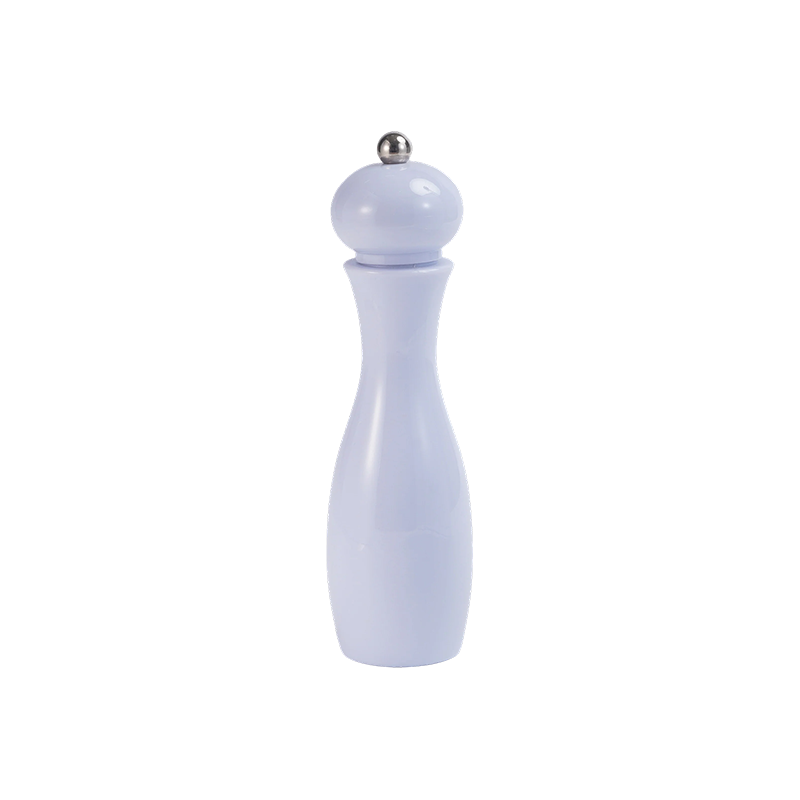
- Wood (beech, acacia, olive): Warm, classic look; requires occasional oiling to prevent drying and cracking; not dishwasher safe.
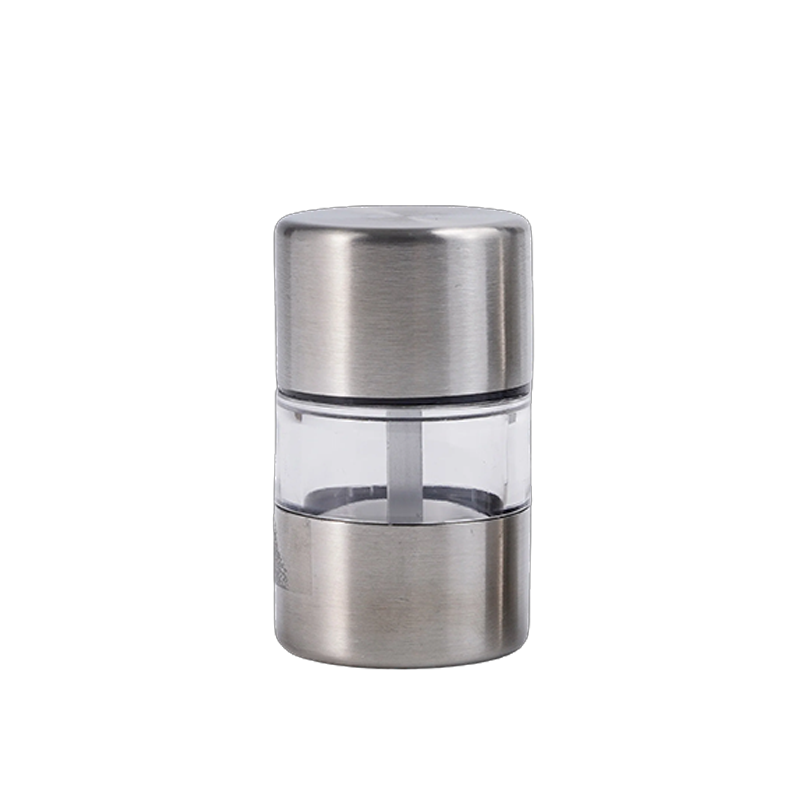
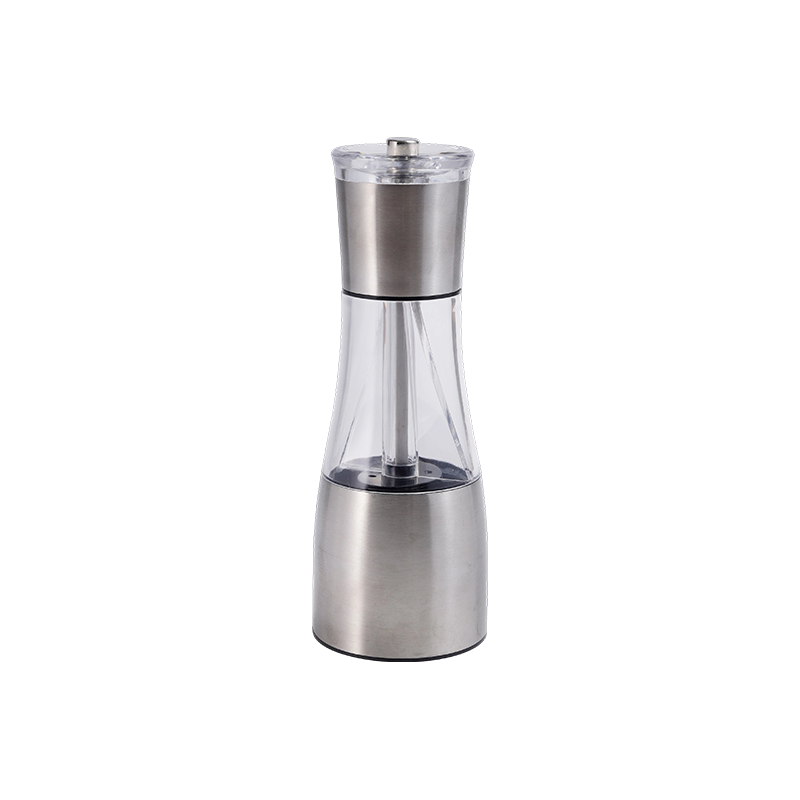
- Stainless steel: Highly durable, resists moisture, easy to wipe clean; can show fingerprints on a brushed or polished finish.
- Acrylic or glass: Lets you see the fill level at a glance, which is convenient for refilling; more prone to cracking if dropped.
- Ceramic body: Attractive and heat-resistant, but heavier and the most fragile option if dropped.
For everyday kitchen use, stainless steel or acrylic tends to offer the best balance of durability and low maintenance. Wood remains the top choice for buyers prioritizing traditional aesthetics, particularly for dining table presentation.
Grind Adjustability: Why It Matters More Than You'd Think
A fixed-grind mill only produces one coarseness, which is a real limitation — coarse salt works better for finishing steaks or roasted vegetables, while fine salt dissolves faster for baking or sauces. Look for a mill with a top or bottom adjustment dial offering a clearly defined range, ideally from fine to coarse in at least 5-8 distinguishable steps. Higher-end mills sometimes include click-stop adjustment, which lets you set and remember a specific grind size rather than guessing each time. Reviewers consistently rank adjustability among the top three most-valued features, alongside mechanism durability and ease of refilling.
Capacity and Refill Convenience
Mill capacity varies widely, from small 3-4 inch travel-sized mills holding about 1-2 ounces, to large 8-10 inch mills holding 5-6 ounces or more. For a household that cooks daily, a mid-size mill (roughly 6-7 inches, holding about 3-4 ounces) typically needs refilling only once every 4-6 weeks, which most owners find to be a reasonable balance between size and convenience.
Also check how the mill opens for refilling. Top-loading mills with a removable cap are generally easier and faster to refill than bottom-loading designs, which sometimes require unscrewing the entire grinding mechanism — a minor but frequently mentioned annoyance in long-term reviews.
Comparing Mechanism Types at a Glance
The table below summarizes the trade-offs between the three main mechanism types, to help you match the mill to how you'll actually use it.
Comparison based on typical manufacturer specifications and long-term owner feedback
| Mechanism Type |
Best For |
Durability |
Salt-Safe? |
| Ceramic |
Salt or pepper |
10+ years |
Yes |
| Hardened Carbon Steel |
Pepper only |
5-8 years |
No, unless coated |
| Stainless Steel (coated) |
Salt or pepper |
8-10 years |
Yes |
| Basic Plastic/Unhardened Metal |
Occasional, light use |
Under 1 year |
Not recommended |
Common Mistakes to Avoid
A few recurring buying mistakes show up repeatedly in customer complaints and returns. Avoiding these will save you from the most common regrets.
- Using a single mill for both salt and pepper when its mechanism is only rated for one — this is the leading cause of premature rust and mechanism failure.
- Buying based on appearance alone without checking the mechanism material, resulting in a mill that looks great but grinds poorly within months.
- Choosing a fixed-grind mill without realizing it can't be adjusted, then being stuck with the wrong coarseness for certain recipes.
- Ignoring capacity and ending up with a mill that needs refilling weekly, which becomes tedious for daily cooks.
- Skipping the warranty check — many premium brands offer a mechanism warranty of 2 years to lifetime, and this detail is often overlooked at checkout.
Maintenance Tips for a Longer-Lasting Mill
Even a high-quality mill benefits from basic care. Wipe the exterior with a dry or slightly damp cloth rather than submerging it in water, since most mills — especially wooden ones — are not designed to get wet internally. For salt mills specifically, use only dry, coarse salt crystals rather than damp or table salt, since moisture is the primary cause of mechanism clumping and corrosion over time. If the grind becomes uneven or slow, a few dry rice grains ground through the mill can sometimes help clear out residue, though this isn't necessary for ceramic mechanisms, which are naturally more resistant to buildup.
Store the mill upright in a dry area of the kitchen, away from direct stovetop steam or sink splashing, both of which accelerate wear on wood and metal components alike.
For most home kitchens, the best value comes from a manual mill with a ceramic grinding mechanism, adjustable coarseness, and a mid-size capacity around 3-4 ounces, priced in the $20-45 range. This combination avoids the most common failure points — corrosion, dulling, and inflexible grind size — while remaining affordable and practical for daily use. If budget is a major constraint, a hardened-steel mill dedicated solely to pepper is a reasonable compromise, but avoid using any steel-mechanism mill for salt to prevent premature rusting.


 English
 русский
 Español
 Deutsch
 عربى
عربى 中文简体
中文简体



 Custom Automatic Electric Milk Frother Manufacturers