What to Look for First
If you want the fast recommendation: choose an electric milk frother with both hot and cold frothing modes and a stainless-steel whisk, sized to 12-16 oz capacity for most households. This covers the two features that matter most in daily use — the ability to make both warm latte-style foam and cold foam for iced drinks, and a whisk material that won't corrode or hold onto milk residue over time. Expect to pay $25-50 for a well-built frother in this category, compared to $10-15 for a basic single-function model that often disappoints on foam texture and durability.
The sections below explain exactly why these features matter, how to compare the main frother types on the market, and how to match capacity and power to your actual coffee habits — whether that's an occasional cappuccino or daily lattes for the whole family.
Types of Electric Milk Frothers: Which Fits Your Routine
Not all electric frothers work the same way, and picking the wrong type is the most common source of buyer disappointment. There are three main categories.
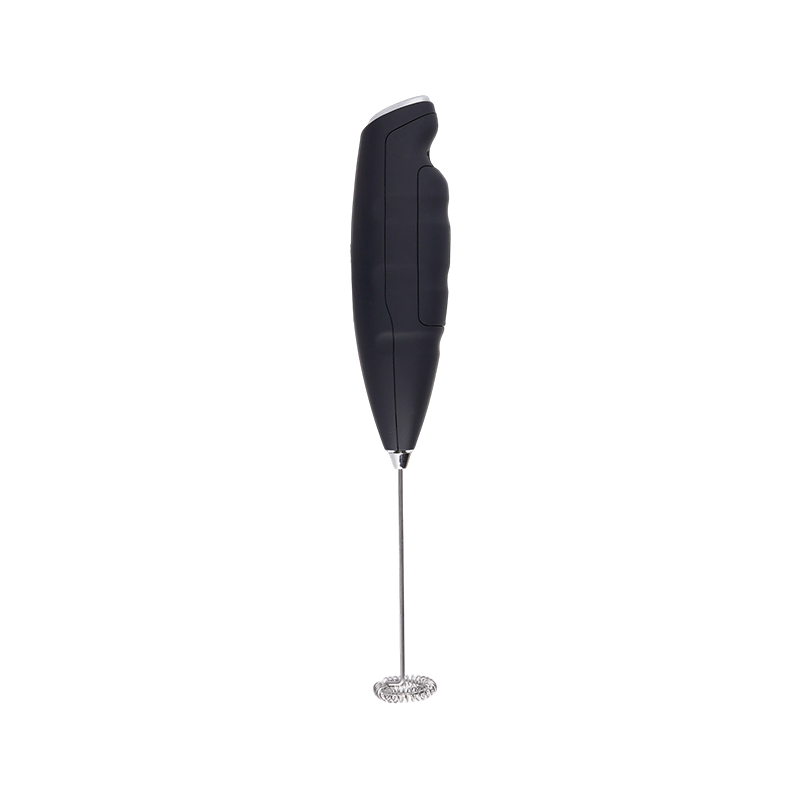
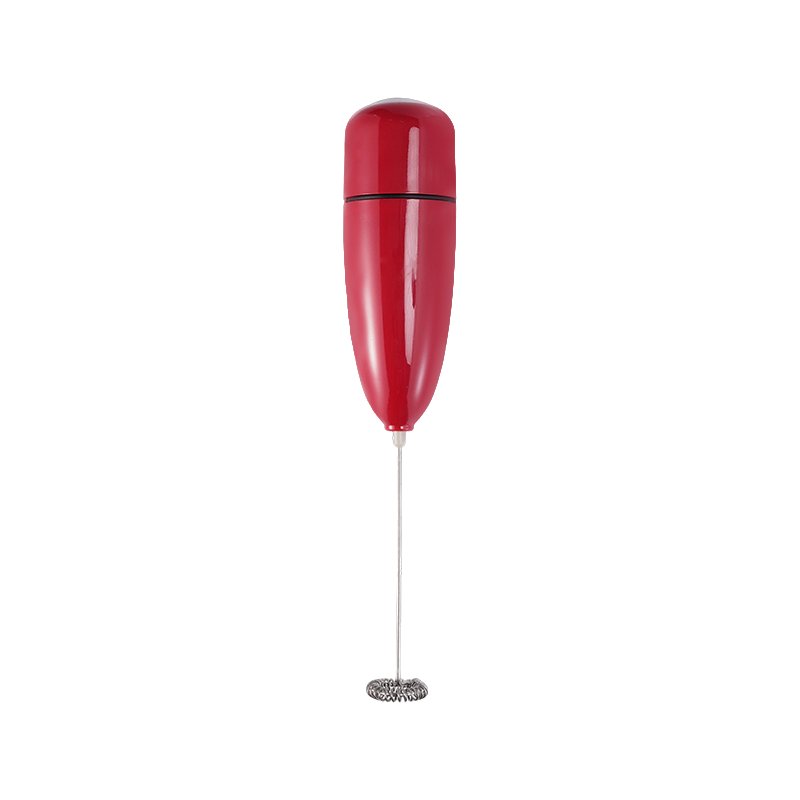
Handheld Frother Wands
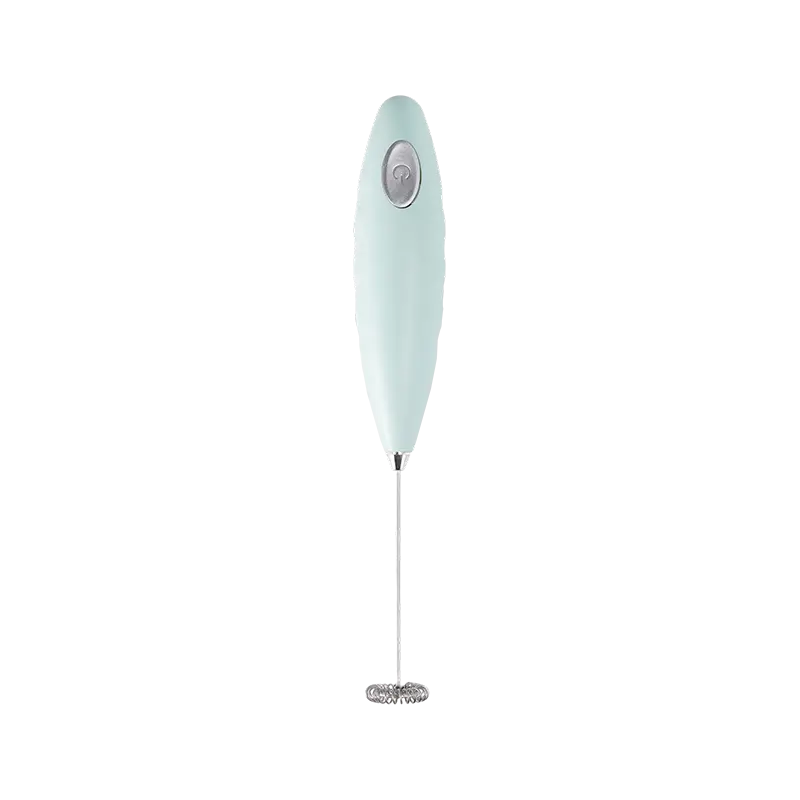
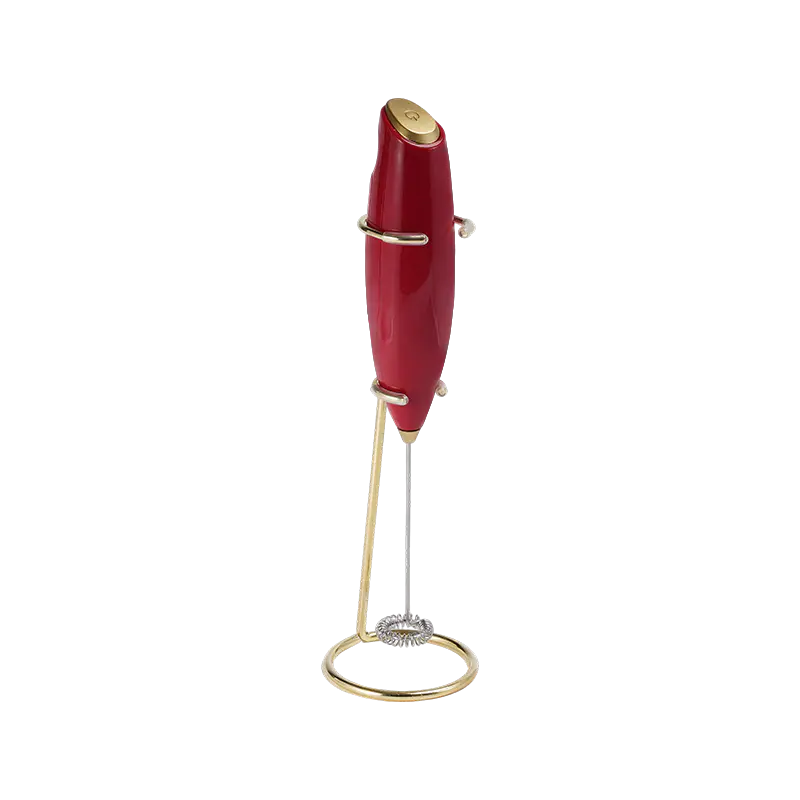
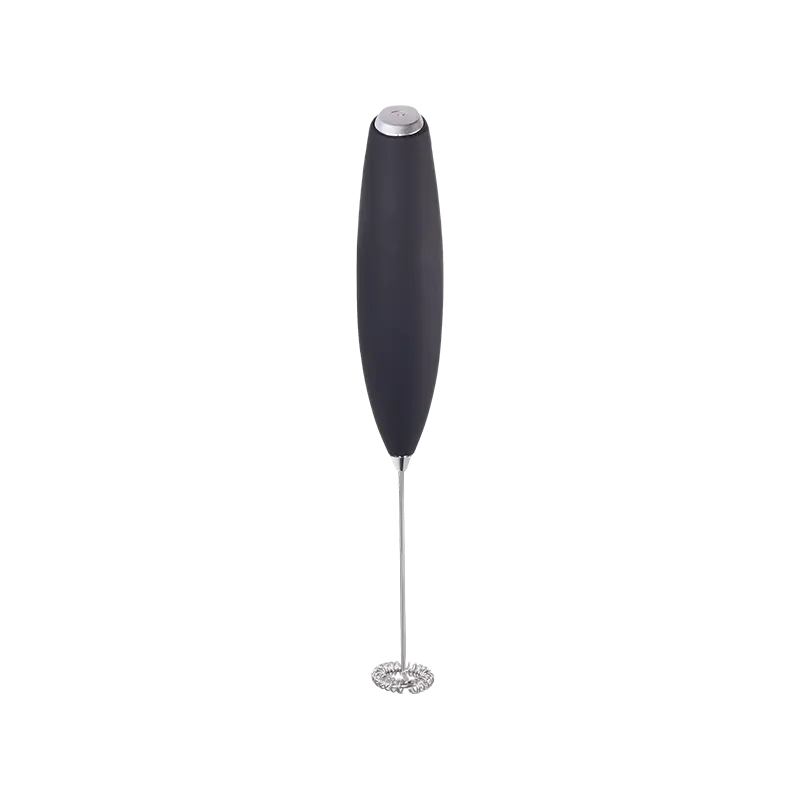
These battery-powered wands are inserted directly into a cup or pitcher of milk and whisked in place. They're the cheapest option, usually $8-15, and extremely compact, but they require you to hold and move the wand manually, and don't heat the milk — you'll need to warm it separately if you want hot foam.
Standing Electric Frothers (Jug-Style)
These are self-contained pitchers with a built-in heating element and whisk at the base. You pour in milk, press a button, and the machine both heats and froths automatically, typically finishing in 60-90 seconds. This is the most popular category for home use because it requires no manual effort and produces consistent results.
Frothing Attachments on Espresso Machines
Many mid-range and high-end espresso machines include a built-in frothing wand or automatic frothing carafe. These integrate frothing into your existing coffee routine, but they're only relevant if you already own or plan to buy such a machine — not a standalone purchase decision.
Hot vs. Cold Frothing: Why Dual-Mode Matters
A growing share of coffee drinkers alternate between hot lattes and iced drinks with cold foam, especially in warmer months. A frother limited to hot-only frothing can't produce the dense, stable cold foam popular for iced coffee, since cold milk behaves differently under agitation than heated milk. Dual-mode frothers solve this by letting you select a "cold" setting that whisks without activating the heating element, producing a thicker, longer-lasting foam suited to iced beverages. If you drink both hot and iced coffee across the year, a dual-mode model is worth the modest price difference — often just $5-10 more than a hot-only equivalent.
Whisk Material and Foam Quality
The whisk design has a bigger impact on foam texture than most buyers expect. Look for these details when comparing models.
- Stainless steel whisks resist milk residue buildup and are more durable than plastic, which can warp slightly from repeated heat exposure.
- Removable whisk heads make cleaning significantly easier, since milk proteins can dry and stick if left on a fixed, non-removable whisk.
- Dual-whisk designs, where one attachment is for dense foam and another for a smoother blended texture, give more control for different drink styles (cappuccino foam versus hot chocolate, for example).
- Non-stick interior coatings on the pitcher reduce milk sticking to the walls, making both frothing and cleanup faster.
Capacity: Matching Size to Your Household
Frother capacity typically ranges from about 4 oz (single-serving handheld wands) up to 20 oz (larger standing models). Choosing the right size avoids two common frustrations: having to run multiple batches for a household of coffee drinkers, or ending up with a bulky pitcher that's awkward to store and clean for someone who only makes one cup at a time.
Suggested frother capacity based on typical household coffee consumption
| Household Type |
Recommended Capacity |
Best Frother Type |
| Single person, occasional use |
4-8 oz |
Handheld wand or compact standing model |
| Single person, daily use |
8-12 oz |
Standing electric frother |
| Couple or small family |
12-16 oz |
Standing electric frother, dual-mode |
| Large household or frequent entertaining |
16-20 oz |
High-capacity standing frother |
Milk Type Compatibility
Not every frother handles plant-based milk equally well. Oat and soy milk generally froth reliably in most electric frothers due to their protein content, while almond and coconut milk can produce thinner, less stable foam because they contain less protein to trap air. If you primarily use a plant-based milk, check the product description or reviews specifically for feedback on that milk type — some higher-end frothers include a dedicated "plant milk" setting that adjusts whisk speed and heating time to compensate, typically improving foam stability by a noticeable margin compared to the standard dairy setting.
Common Mistakes When Buying a Milk Frother
These recurring issues show up often in customer reviews and returns, and they're easy to avoid with a bit of upfront checking.
- Buying a hot-only frother without realizing it can't make cold foam for iced drinks.
- Choosing a frother based on price alone and ending up with a plastic whisk that degrades or discolors within a few months.
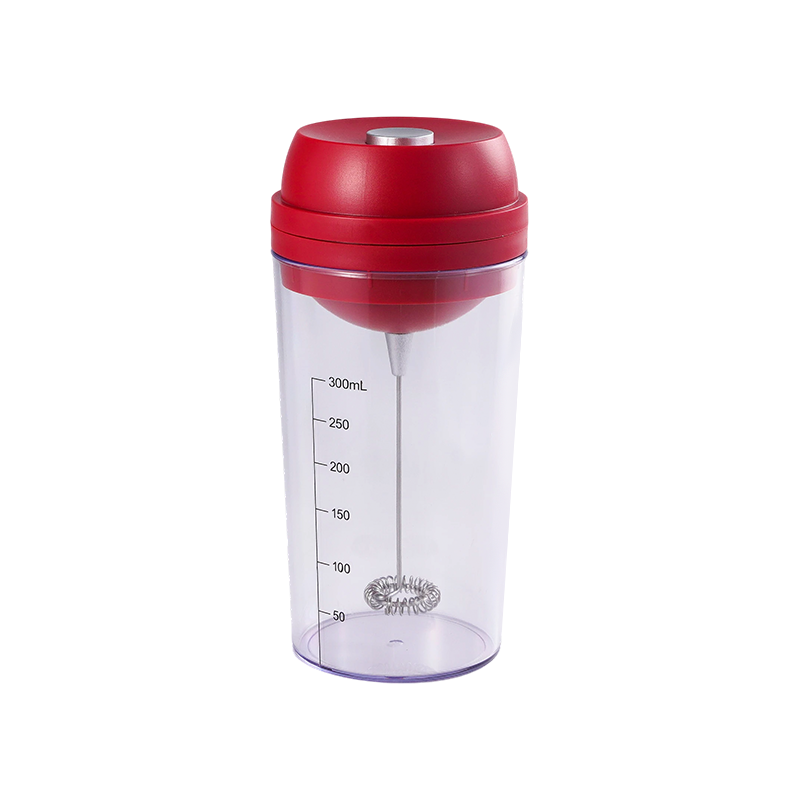
- Overfilling the pitcher — most frothers have a clearly marked max-fill line, and exceeding it is the leading cause of milk overflow during operation.
- Ignoring cleaning design and ending up with a non-removable whisk that's difficult to fully clean, leading to residue buildup and off-flavors over time.
- Not checking wattage — lower-wattage frothers (under 400W) can take noticeably longer to heat and froth, which matters if you're frothing multiple servings back-to-back.
Maintenance and Cleaning Tips
Rinse the pitcher and whisk immediately after use — dried milk residue is significantly harder to remove once it hardens, and repeated buildup can eventually affect motor performance. Most standing frothers are not fully submersible due to the base's electrical components, so wipe the base with a damp cloth while rinsing only the removable pitcher and whisk under water. For deeper cleaning, running the frother with just water and a small amount of dish soap for one cycle helps clear residue from hard-to-reach areas inside the pitcher.
If foam quality declines over time despite regular cleaning, it's often due to whisk wear rather than a mechanical fault — checking whether replacement whisks are available for your specific model can extend the frother's usable life by a year or more without needing a full replacement.
For most kitchens, the best overall choice is a standing electric frother with dual hot/cold modes, a removable stainless-steel whisk, and 12-16 oz capacity, priced in the $25-50 range. This combination handles the widest range of drink styles and milk types while minimizing the most common complaints around cleaning difficulty and inconsistent foam. If your budget is tight or you only froth occasionally, a basic handheld wand remains a reasonable and inexpensive alternative, though it requires more manual effort and can't produce hot foam on its own.


 English
 русский
 Español
 Deutsch
 عربى
عربى 中文简体
中文简体



 Custom Automatic Electric Milk Frother Manufacturers