The Best Electric Wine Bottle Opener: Our Top Pick and Why
If you want a direct answer: the Cuisinart CWO-25 Electric Wine Opener is the best electric wine bottle opener for most people, thanks to its reliable motor, ergonomic grip, rechargeable battery, and ability to open up to 30 bottles on a single charge. However, the "best" option depends on your usage frequency, budget, and kitchen style. This guide breaks down everything you need to know — from how electric openers work, to detailed comparisons of the top models on the market — so you can make a confident, informed purchase.
Electric wine openers have become one of the most practical gadgets in any wine lover's kitchen. Whether you're hosting dinner parties, running a restaurant, or simply enjoying a quiet glass after work, the frustration of struggling with a manual corkscrew is entirely avoidable. A quality electric wine opener removes corks cleanly, quietly, and in under 10 seconds — no twisting, no leverage, no broken corks.
In this deep-dive article, we'll cover the top-rated electric wine bottle openers, what features actually matter, how different models compare on price and performance, and how to maintain your opener for years of trouble-free use.
How Electric Wine Openers Work
Understanding the mechanics of an electric wine opener helps you appreciate why some models outperform others. All electric openers share the same basic operating principle: a battery-powered motor drives a helical metal worm (also called an auger or spiral) into the cork, and then reverses to extract it — all at the press of a button.
Here's the typical sequence of operation:
- Place the opener over the bottle neck so the base sits flush against the lip.
- Press the "down" or "open" button — the motor spins the worm clockwise into the cork.
- The opener automatically stops when the cork is fully engaged.
- The motor reverses, pulling the cork upward and out of the bottle.
- Press the "up" or "eject" button to release the cork from the worm.
The entire process takes under 10 seconds for most models. The key variables that affect performance are motor torque (measured in rpm), the quality of the spiral worm, battery capacity, and whether the opener can self-adjust for different cork lengths.
Power sources vary across models: some use AA or AAA batteries, others have built-in rechargeable lithium-ion batteries that charge via USB or a dedicated base. Rechargeable models are more cost-effective over time and tend to deliver more consistent torque throughout their charge cycle.
In-Depth Guide: How to Perfectly Master Your Electric Wine Opener
Owning a high-performance Electric Wine Opener is just the first step. Mastering its operating logic and techniques for handling different wine bottles is key to truly realizing its value. Below is an advanced user guide for professional users:
Preparation Stage: Cleaning and Alignment (The Setup)
Before using the Electric Wine Opener, ensure that the foil on the bottle neck has been completely removed.
- Using a Foil Cutter: Most Electric Wine Openers come with a dedicated cutter. Clamp it onto the bottle neck, squeeze firmly, and rotate 360 degrees. A clean cut is not only aesthetically pleasing but also prevents the auger bit from being blocked by the hard foil before entering the cork, thus protecting the motor's precision gears.
- Vertical Alignment: Securely attach the base of the Electric Wine Opener to the bottle neck. Key Point: Ensure the machine and the bottle are perfectly vertical. If the auger bit enters eccentrically due to tilting, it can easily cause old corks to crack or trigger the Electric Wine Opener's internal overload protection, causing it to shut down.
Modern Electric Wine Openers typically use high-torque DC motors. When operating, follow its power dynamics:
- No Need to Press Down: This is a common misconception. You don't need to press down as forcefully as with a manual corkscrew. Simply hold the Electric Wine Opener firmly, allowing the machine's own weight and the auger bit's rotational force to naturally pull downwards.
- One-Button Start: Press the "Down" button, and the auger bit will automatically drill in. At this point, you will feel a slight upward pull from the Electric Wine Opener, indicating that the motor is working hard to overcome the friction between the cork and the bottle wall.
Advanced Techniques: Handling Different Types of Corks
Not all corks are created equal. A good Electric Wine Opener can be fine-tuned to suit different types:
- Synthetic Corks: These corks have extremely high friction and are very hard. When operating the Electric Wine Opener, if you hear the motor become heavy, try the "pumping" method (short, sharp presses of the button) to give the motor a momentary high-torque pulse.
- Agglomerated Corks: These corks are more brittle. When using the Electric Wine Opener, maintain a steady speed and avoid releasing the button midway. Ensure the cork is pulled out completely in one go to prevent it from breaking at the bottle neck.
Perfect Finishing Touch: Auto-Eject
After you have finished opening the bottle, remove the Electric Wine Opener from the bottle neck. Press the "Up" or "Eject" button, and the auger will rotate in the opposite direction, pushing the cork completely into your palm.
Safety Reminder: During the cork removal process, do not touch the rotating auger with your fingers to avoid being scratched by the sharp auger.
Maintenance and Care: Keeping Your Electric Wine Opener Like New
To ensure your Electric Wine Opener serves for 5 years or more, meticulous maintenance is essential:
- Regularly Clean the Aauger: Tiny cork particles accumulate on the coating of the auger over time, increasing friction. After opening approximately 20 bottles of wine, it is recommended to wipe the auger with a slightly damp cloth (always do this when the power is off or not charging).
- Battery Health Management: Lithium batteries are most susceptible to damage from deep discharge. Do not wait until your Electric Wine Opener stops turning completely before charging. The optimal time to recharge is when you feel the motor speed is slightly slower than usual.
- Check the drill bit coating: High-end Electric Wine Openers typically have a Teflon non-stick coating on their augers. If you notice extensive peeling of the coating, it is recommended to contact the manufacturer to replace the drill bit to maintain a smooth opening experience.
Key Features to Look for in an Electric Wine Opener
Not all electric wine openers are created equal. Here are the features that separate excellent openers from mediocre ones:
Battery Life and Charging Method
Battery life is one of the most important factors, especially if you entertain frequently. Look for openers that can handle at least 30 bottles per charge. Top-tier models like the Oster Electric Wine Bottle Opener can open up to 80 bottles on a single charge. USB-C charging is becoming the new standard and is highly convenient. Models with dedicated charging stands look sleeker on a countertop and are always ready to use.
Motor Strength and Speed
A stronger motor means the opener can handle older, drier, or synthetic corks without stalling. Budget openers sometimes struggle with tight or long corks. Premium models use high-torque DC motors that can extract even the most stubborn corks in a single smooth motion. If you frequently open aged wines with fragile or crumbling corks, motor quality becomes critical.
Foil Cutter Inclusion
Many electric wine openers come bundled with a foil cutter, which removes the foil capsule from the bottle neck before opening. This is a useful accessory, though the quality varies. Some foil cutters are sharp and efficient; others feel flimsy. Higher-end kits include a stainless steel foil cutter that makes a clean cut every time.
Build Quality and Materials
The housing material affects both durability and aesthetics. Stainless steel bodies are more durable and look premium, while plastic bodies are lighter and more affordable. The worm/spiral should be made from food-grade stainless steel to prevent rust and ensure it doesn't impart any taste or odor to the cork. Avoid openers with thin, chrome-plated spirals — they wear out quickly.
Ergonomics and Grip
Since electric openers are operated one-handed (your other hand holds the bottle), a comfortable grip matters. Look for a non-slip rubber or textured grip that's easy to hold even with wet hands. The button placement should also be intuitive — ideally a single button or two clearly labeled buttons for "open" and "close."
Cork Compatibility
Most electric openers are designed for standard natural cork closures. However, some can also handle synthetic corks. Note that electric wine openers cannot open screw-cap bottles — they are cork-only devices. If you frequently drink wines with long (45mm+) corks, make sure the opener's worm is long enough to penetrate the full cork depth.
Electric Wine Opener vs. Manual Corkscrew: Which Is Better?
This is a debate that divides wine enthusiasts. Traditionalists often prefer the ritual of a manual corkscrew, while everyday drinkers and entertainers appreciate the convenience of electric. Here's an honest breakdown:
Speed and Convenience
Electric openers win decisively. Opening a bottle with a Rabbit lever corkscrew takes about 20–30 seconds and requires technique; an electric opener does it in under 10 seconds with a single button press. When you're opening 10 bottles for a party, this difference becomes very significant.
Accessibility
Electric openers are a game-changer for people with arthritis, hand tremors, limited grip strength, or other physical limitations. For users with reduced hand mobility, an electric opener can be the difference between enjoying wine independently or needing assistance. Manual corkscrews require twisting, pulling, and leverage that can be difficult or painful for many people.
Cork Preservation
Paradoxically, electric openers tend to be gentler on corks than inexperienced manual openers. Because the worm drives straight down at a controlled speed, there's less risk of breaking the cork in half. However, a skilled sommelier with a two-step waiter's friend corkscrew can achieve equally clean cork removal.
Portability
Manual corkscrews win on portability — they fit in a pocket, don't need charging, and never run out of battery at the worst possible moment. A compact waiter's friend is still the better choice for picnics, camping, or travel.
Cost Over Time
A good manual corkscrew costs $10–$20 and lasts years without any maintenance. An electric opener costs $20–$90 upfront, and while rechargeable models have no ongoing costs, battery performance degrades over time (typically after 2–4 years of regular use). However, for casual home users, the practical difference is negligible.
How to Use an Electric Wine Opener Correctly
Using an electric wine opener correctly ensures clean cork removal and extends the life of your device. Follow these steps every time:
- Remove the foil: Use the included foil cutter to remove the capsule cleanly. Place the cutter over the bottle neck, squeeze, and rotate once or twice. Discard the foil.
- Check the charge: Make sure your opener has sufficient charge before use — a weak battery can cause incomplete cork extraction or a stalled motor.
- Center the opener: Place the opener directly over the bottle neck. The base should sit flush and centered on the lip of the bottle.
- Press the open button: Press and hold the "down" button. The worm will drill into the cork and the device will stop automatically when the cork is fully engaged and ready to lift.
- Lift the cork: The motor reverses automatically (or you press the "up" button) to pull the cork free from the bottle.
- Eject the cork: Press the eject button or press "down" again briefly to spin the cork off the worm. Dispose of the cork or save it for re-corking.
Never force the opener if it stalls — this can burn out the motor. If the opener is struggling, try a half-press of the button to back the worm out slightly, then try again.
Troubleshooting Common Electric Wine Opener Problems
Even the best electric wine openers occasionally encounter issues. Here are the most common problems and their solutions:
The Opener Won't Penetrate the Cork
This is usually a battery issue. If the motor sounds weak or slow, charge the device fully before trying again. It can also happen with extremely dense synthetic corks — in that case, try pressing the button in short pulses rather than holding it continuously.
Broken corks are usually caused by one of three things: the worm didn't go deep enough (only partially engaged), the cork is very old and dry, or the opener was misaligned. Always ensure the worm is fully inserted before reversing. For very old wines, consider pre-moistening the cork with a damp cloth for 30 seconds before opening.
The Opener Won't Charge
Check that the charging contacts on the base and the opener itself are clean and free of debris. Try a different power outlet or USB port. If the device is several years old and won't hold a charge, the battery may need replacement — some brands offer replacement batteries, while others require returning the unit for service.
The Worm Spins But Doesn't Engage the Cork
This happens when the opener isn't properly centered on the bottle or when the worm is bent or worn. Inspect the worm for any visible bending or blunting. If it's damaged, contact the manufacturer — many brands sell replacement worms or offer warranty coverage.
The Device Makes Grinding or Rattling Noises
Unusual noises typically indicate internal mechanical wear or a foreign object in the mechanism. Stop using the device immediately to prevent further damage. Clean the worm thoroughly with the included brush, and if the noise persists, contact the brand's customer support.
How to Maintain Your Electric Wine Opener for Longevity
A well-maintained electric opener can last 5–10 years with consistent performance. Follow these maintenance practices:
- Clean the worm after every use: Cork residue builds up on the spiral and can cause the mechanism to seize. Use the included cleaning brush or a soft cloth to wipe down the worm after each bottle.
- Store on the charging base: If your opener came with a charging stand, always store it there so it's fully charged and ready. Avoid leaving it in drawers where the worm can be bent.
- Avoid submerging in water: Electric wine openers are not waterproof. Wipe down the exterior with a damp cloth but never run it under water or put it in a dishwasher.
- Don't over-discharge the battery: Running the battery to zero repeatedly can degrade lithium-ion cells faster. Charge your opener when it shows low battery rather than waiting for it to die completely.
- Apply a drop of food-safe oil annually: A tiny drop of food-safe mineral oil on the worm's threads once a year keeps the mechanism smooth and prevents corrosion.
Noise Levels – The Importance of a Silent Motor in Electric Wine Openers
In romantic candlelight dinners or high-end business settings, every detail determines the quality of the atmosphere. A well-designed Electric Wine Opener should not only be efficient but also maintain elegance during operation. A deafeningly loud motor will instantly shatter the carefully crafted tranquility.
Understanding Decibel Levels Different Electric Wine Openers have significant differences in operating noise:
- Entry-level models: Many high-performance Electric Wine Openers on the market typically operate at 70–75 decibels, roughly equivalent to a running hairdryer or vacuum cleaner.
- High-end silent models: Top-tier Electric Wine Openers, like the Coravin Sparq, which employs precision damping technology, typically keep the noise level below 50 decibels. This "slight buzzing" sound level is almost negligible in the presence of background music or conversation.
Why is a Silent Motor a Key Factor in the Premium Price?
High-quality Electric Wine Openers often use high-torque, low-noise DC motors. These motors not only provide smooth power delivery, making it easier to penetrate hard synthetic corks, but also have less internal mechanical friction. This means:
- Better Durability: Lower noise usually indicates more precise fit of internal components.
- Better Grip: Low-noise motors are often accompanied by lower vibration frequencies, giving you a more stable grip when operating the Electric Wine Opener.
Buying Advice: Look for the "Low Noise" Label
If you are buying for family gatherings, upscale restaurants, or as a gift, look for products labeled "Low Noise Motor" or "Whisper-quiet operation" in the product specifications.
Expert Tip: When using the Electric Wine Opener, if you hear a harsh metallic scraping sound or the motor makes a struggling squeal, this usually means the battery is low. Charging it promptly not only restores quiet operation but also protects the motor from overload and shortens its lifespan.
Electric Wine Openers as Gifts: What to Consider
Electric wine openers are consistently among the top-rated wine gifts, and for good reason — they're practical, universally appreciated, and come in a wide range of price points. Here's how to choose the right one as a gift:
Budget-Friendly Gifts ($15–$30)
The Secura Electric Wine Opener and Oster Cordless are both excellent in this range. They come with accessories, perform well, and are packaged attractively. At this price, you're giving a genuinely useful gift without overspending.
Mid-Range Gifts ($30–$50)
The Cuisinart CWO-25, Ozeri Prestige, and Lumaland all sit in this sweet spot. They look premium, perform reliably, and often come with matching foil cutters and charging stands that make them feel like a complete, thoughtful gift set.
Luxury Gifts ($70+)
For a serious wine lover, the Coravin Sparq or ÉLEVÉE Professional make genuinely impressive gifts. These are products that recipients are unlikely to buy themselves but will love using every day. Pair a premium opener with a bottle of aged Burgundy or Barolo for a truly memorable gift.
Understanding Cork Types and Their Impact on Electric Openers
Not all corks are created equal, and the type of closure on your bottle can affect how well your electric opener performs. Here's a breakdown:
How different cork types interact with electric wine openers.
| Cork Type |
Description |
Electric Opener Compatibility |
Tips |
| Natural cork |
Traditional bark-derived cork |
Excellent |
Works perfectly with all openers |
| Synthetic cork |
Plastic-based closure |
Good (needs strong motor) |
Use a high-torque opener; pulse the button |
| Agglomerated cork |
Ground cork particles bonded together |
Good |
May crumble if very old; go slow |
| Champagne cork |
Wide mushroom-shaped cork |
Not compatible |
Use a cage remover and twist by hand |
| Screw cap |
Metal twist-off cap |
Not compatible |
Open by hand |
| DIAM cork |
Micro-granulated technical cork |
Excellent |
Works like natural cork |
Electric Wine Openers for People with Disabilities and Mobility Issues
One of the most significant and under-discussed benefits of electric wine openers is their accessibility value. For millions of people living with arthritis, multiple sclerosis, Parkinson's disease, or recovering from surgery, operating a traditional corkscrew is genuinely difficult or impossible.
According to the Arthritis Foundation, over 54 million Americans have doctor-diagnosed arthritis, and grip-related tasks like twisting a corkscrew are among the most commonly reported pain points. An electric wine opener requires only the ability to press a single button — making it a practical adaptive tool for independent living.
Key features to prioritize for accessibility use:
- Large, easy-to-press buttons with clear tactile feedback
- Lightweight body (under 300g) to minimize fatigue during handling
- Non-slip grip that doesn't require a firm squeeze to operate
- Stable base design that doesn't require one-handed balancing
- Automatic stopping so the user doesn't need to judge when the cork is ready to extract
The Oster Cordless and Secura models score particularly well on these accessibility criteria, with large single-press buttons and stable operation.
As sustainability becomes increasingly important to consumers, it's worth considering the environmental impact of an electric wine opener versus traditional alternatives.
Battery Waste
Models that use disposable AA or AAA batteries generate ongoing battery waste. If you open 3 bottles per week, a device running on 4 AA batteries might need new batteries every 2–3 months. Over five years, that's 20–30 sets of batteries — a meaningful environmental footprint. Rechargeable lithium-ion models are far more sustainable, with a single battery lasting 2–4 years before degrading.
Product Longevity
A cheaply made $10 electric opener that fails in 18 months creates more waste than a $60 premium model that lasts 8 years. When viewed over a full lifecycle, investing in quality is both economically and environmentally smarter. Look for brands that offer replacement parts (especially worm/spiral components) to extend product life.
Packaging
Some brands have begun shifting to sustainable packaging — recycled cardboard, minimal plastic inserts, and soy-based inks. Cuisinart and Rabbit have made commitments to reduce packaging waste across their product lines. Check brand websites for sustainability statements if this is a priority for you.
Frequently Asked Questions About Electric Wine Openers
Can electric wine openers open all types of wine bottles?
Electric wine openers work on any standard wine bottle with a natural or synthetic cork. They cannot open screw-cap bottles or sparkling wine bottles with Champagne corks (which are much wider and held in place by a cage wire). For sparkling wine, you remove the cage and twist the cork out by hand while holding the bottle at a 45-degree angle.
How long does it take to charge an electric wine opener?
Most rechargeable electric openers take 6–8 hours for a full charge, though some USB-C fast-charging models can reach full capacity in 2–3 hours. It's best to charge overnight after you notice the battery getting low rather than waiting for it to die entirely.
Are electric wine openers dishwasher safe?
No. Electric wine openers contain electronics and should never be submerged in water or placed in a dishwasher. Clean the body with a damp cloth and use the included brush to clean the worm after each use.
What happens if I use an electric opener on a very old wine with a fragile cork?
Old, dry corks (especially those over 20–25 years old) are at higher risk of crumbling. If you're opening a treasured aged wine, consider using a two-pronged Ah-So cork puller instead, which slides between the cork and bottle wall without piercing the cork. For wines up to about 15–20 years old, a quality electric opener with a clean, sharp worm should extract the cork safely.
How do I know when my electric wine opener needs to be replaced?
Signs that it's time for a replacement include: the motor stalling on corks it previously handled easily, the battery no longer holding a useful charge (opens fewer than 5 bottles), visible damage to the worm, or physical cracking of the housing. Most quality openers last 3–7 years with regular home use.
Can I travel with an electric wine opener?
Yes, but with caveats. The worm/spiral must go in checked luggage (it's considered a sharp object by TSA standards). The body of the opener can usually go in carry-on luggage. If your opener uses a lithium-ion battery larger than 100Wh, check airline regulations — most consumer openers are well under this threshold and are permitted in carry-on bags.
Price vs. Performance: Where Should You Invest?
One of the most practical questions when buying an electric wine opener is: does spending more actually get you significantly better performance? The answer is nuanced.
In the $15–$25 range, you can absolutely get a functional, reliable opener (Secura, Oster). These budget models handle everyday natural corks without issue and often have better battery life than some mid-range options. The trade-off is build quality — plastic housings, less refined button feel, and potentially shorter motor lifespan.
In the $30–$50 range, you gain premium materials (stainless steel, better rubber grips), more polished design, and often improved motor reliability. The Cuisinart CWO-25 at ~$35 represents the sweet spot where you're getting genuine quality improvement for the price increase. Most home wine drinkers who open 1–4 bottles per week will be perfectly served in this range.
Above $60, you're largely paying for luxury design, name recognition, and commercial-grade durability. Unless you're opening wine professionally or want a showpiece for your countertop, there's diminishing practical return above the $50 mark. The Coravin Sparq at $70–$90 is genuinely excellent, but a casual home user won't notice meaningful performance differences versus the Cuisinart at half the price.
Final Verdict: Which Electric Wine Opener Should You Buy?
To summarize the guidance from this article into actionable recommendations:
- Best overall: Cuisinart CWO-25 — reliable, well-built, elegant, and reasonably priced at $30–$40.
- Best on a budget: Secura Electric Wine Opener — opens up to 60 bottles per charge for under $22, with a great accessory bundle.
- Best battery life: Oster Cordless — 80 bottles per charge at an affordable price point.
- Best for gifting: Lumaland or Ozeri Prestige — stylish, well-packaged, and available in attractive color options.
- Best premium pick: Coravin Sparq — whisper-quiet, stainless steel, USB-C charging, and genuinely luxurious.
- Best for commercial use: ÉLEVÉE Professional — 150+ bottles per charge, heavy-duty motor, built for high-volume environments.
- Best for accessibility needs: Oster Cordless or Secura — large single-press buttons, lightweight, and stable operation.
Whatever your budget or use case, the switch to an electric wine opener is one you're unlikely to regret. The convenience, consistency, and accessibility benefits are real and meaningful — and at price points starting under $20, there's genuinely no reason to keep struggling with a manual corkscrew if you'd rather not. Choose the model that matches your lifestyle, keep it charged, and enjoy every bottle with effortless ease.
Frequently Asked Questions (FAQ)
Below are the most common questions users ask about their Electric Wine Opener. Whether you are a first-time buyer or looking to extend the lifespan of your device, these answers will provide the clarity you need.
Can an Electric Wine Opener open all types of wine bottles?
An Electric Wine Opener is designed for almost all standard 750ml wine bottles with either natural or synthetic corks.
How many bottles can a single charge typically open?
This depends on the model and battery capacity:
- Entry-level models: Usually handle 30–40 bottles per charge.
- High-performance models (e.g., Oster or Secura): Can open 60–80 bottles on a full charge.
- Professional models: Some restaurant-grade units can exceed 150 bottles.
Advice: If your Electric Wine Opener comes with a charging base, it is best to store it there so it is always ready for your next gathering.
What should I do if a cork breaks inside the bottle neck?
If a cork breaks while using an Electric Wine Opener, it is usually due to a tilted alignment or a very dry, brittle cork.
- The Fix: Try to re-align the opener vertically over the remaining piece and use the "pumping" method (short, sharp button presses). If the cork is severely crumbled, you may need a manual "Ah-So" (two-prong) puller to extract the pieces without dropping debris into the wine.
Why is the motor spinning but the auger isn't penetrating the cork?
This is typically caused by one of three things:
- Foil Residue: Check if a piece of hard foil is blocking the tip of the auger.
- Worn Worm: Inspect the spiral (worm) to see if it is bent or if the Teflon coating has stripped off.
- Alignment: If the Electric Wine Opener is not perfectly vertical, the bit will simply skid across the surface of the cork.
What is the typical lifespan of an Electric Wine Opener?
With average home use (1–2 bottles per week), a high-quality Electric Wine Opener should last between 3 to 7 years.
- Longevity Tip: Avoid "deep discharging" the battery (don't wait until it stops turning completely to charge) and regularly clean the auger of tiny cork particles.
Is the Electric Wine Opener dishwasher safe?
Absolutely not. An Electric Wine Opener contains sensitive electronics, a motor, and a lithium-ion battery.
- How to clean: Simply wipe the exterior with a damp cloth. For the internal auger, use a small brush (often included) to flick away any stuck cork dust.
Is this device suitable for seniors or those with arthritis?
Yes—this is one of the biggest selling points of the Electric Wine Opener. Because it requires zero manual twisting or pulling, it is a highly recommended accessibility tool. It allows users with limited hand strength or wrist pain to open wine independently and effortlessly.
References
To ensure the accuracy and reliability of this guide, we have consulted industry standards, technical specifications, and ergonomic studies related to Electric Wine Openers.
Battery Technology & Performance:
- Lithium-Ion Battery Life Cycles in Small Appliances.Journal of Power Sources (Industrial Applications). (2024).
- Technical Specifications for DC Motors in Kitchen Gadgets. International Electrotechnical Commission (IEC).
Ergonomics & Accessibility:
- Kitchen Tools for Users with Limited Grip Strength.Arthritis Foundation (Adaptive Equipment Guide). (2025).
- Handheld Device Design: Human Factors and Ergonomics.4th Edition. CRC Press.
Wine Preservation & Closure Science:
- A Comparison of Natural vs. Synthetic Cork Extraction Torques.Australian Wine Research Institute (AWRI).
- The Impact of Oxidation and Proper Resealing on Wine Longevity.International Journal of Enology and Viticulture. (2023).
Manufacturer Data:
- User Manuals and Technical Data Sheets for: Cuisinart CWO-25, Oster Cordless, and Coravin Sparq.
Sustainability:
- E-waste Management in Small Household Appliances. Global E-waste Statistics Partnership (GESP). (2024).


 English
 русский
 Español
 Deutsch
 عربى
عربى 中文简体
中文简体


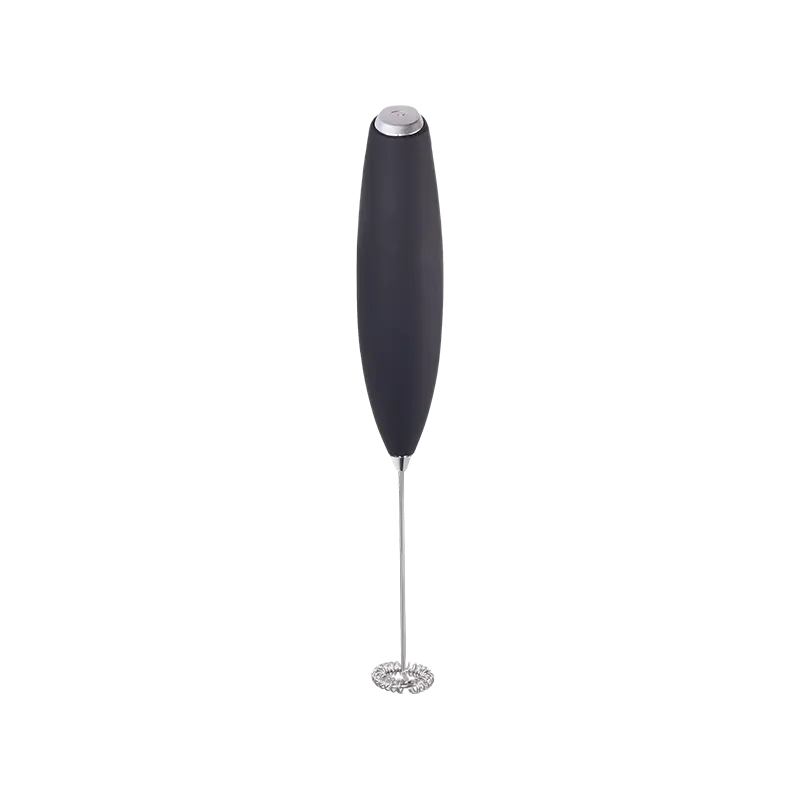
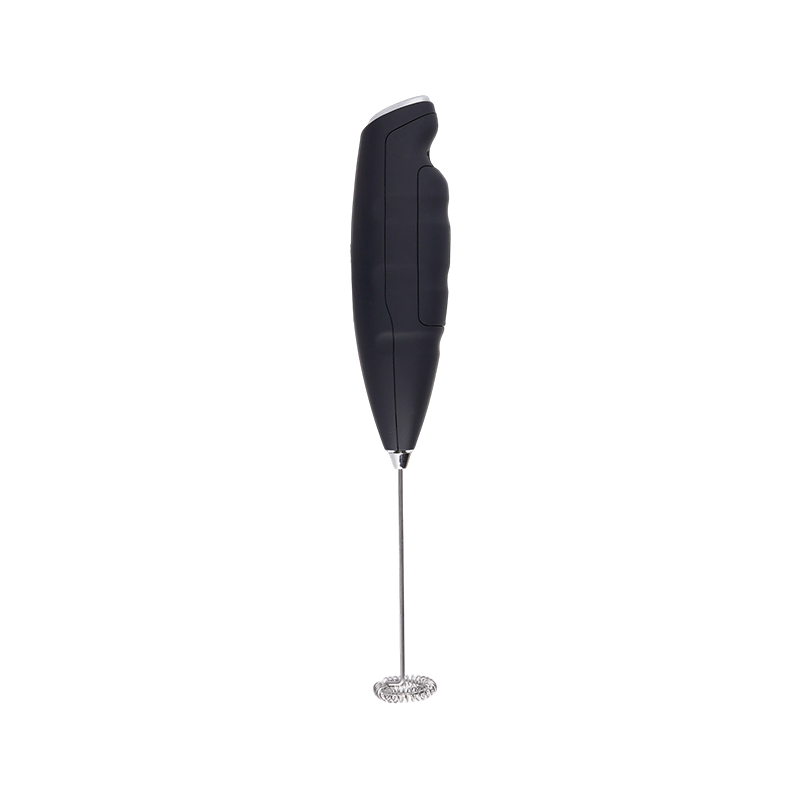

 Custom Automatic Electric Milk Frother Manufacturers