

 English
 русский
 Español
 Deutsch
 عربى
 中文简体

The Kitchen Handheld Electric Milk Frother measures 7.7 x 7.7 x 18.2 cm and weighs 167 grams, making it easy to use and store. Its compact size ensure...
See Details

what is milk froth: Applications, Selection Criteria, and Practical Guidance
Content
Milk froth is milk that has been aerated: air is beaten or steamed into the liquid, and the milk's own proteins and fats trap that air as thousands of tiny bubbles. That is the whole idea in one sentence. What makes it worth understanding is that the same carton of milk can end up as a glossy, sweet, spoonable foam or as a disappointing layer of soapy bubbles, depending on a few variables you can control.
We have been making electric milk frothers for years, so we spend more time than most people thinking about bubble structure. Here is a plain explanation of what milk froth is, how it forms, which milks foam best, and how to get a better result at home.
What Milk Froth Actually Is
Milk is roughly 87 percent water, and the rest is protein, fat, lactose and minerals. Two of those components do the real work when you froth:
- Proteins, mainly casein and whey, unfold when the milk is agitated and form a thin film around each pocket of air. That film is what stops bubbles from merging and popping.
- Fat globules slip into the bubble walls, adding body, richness and staying power.
Frothing therefore has two jobs. The first is aeration, pulling air into the milk. The second is texturing, keeping the milk moving so that large, unstable bubbles get broken down into tiny ones. Skip the second job and you get foam that looks impressive for about ten seconds.
Baristas usually talk about two grades of froth. Microfoam has bubbles so small that the surface looks like wet paint; it is glossy, pourable, and it is what makes latte art possible. Macrofoam is the drier, airier foam with visible bubbles that sits on top of a traditional cappuccino. Both are milk froth. The difference is bubble size, and bubble size is mostly a question of technique.
Milk Froth, Steamed Milk and Whipped Cream
These three appear in the same drinks and get mixed up all the time, but they are not the same thing.
| What it is | How it is made | Texture | Where you see it |
|---|---|---|---|
| Milk froth | Air beaten into milk with a whisk or frother | Fine to medium bubbles, glossy, holds its shape | Cappuccino, latte macchiato, hot chocolate, iced coffee |
| Steamed milk | Steam injects air, then a rolling vortex folds it through the milk | Very fine microfoam over a thin layer of liquid milk | Latte, flat white, cortado |
| Whipped cream | High-fat cream whipped with sugar until stiff | Coarse peaks, barely pourable | Desserts, mocha topping, hot chocolate |
Why Temperature and Timing Decide the Result
The sweet spot for milk froth is roughly 55 to 65 degrees Celsius, or 130 to 150 degrees Fahrenheit. Below that range the milk tastes flat and the foam feels thin. Above about 70 degrees Celsius the proteins denature too far and the fat becomes too fluid to hold the bubble walls, so the froth turns watery and the milk picks up a scalded, slightly eggy note. If you have ever wondered why a badly steamed jug smells odd, that is the reason.
Timing matters just as much. A handheld frother needs only 15 to 25 seconds; keep going and you will shear the bubbles you just built, and the foam will slowly collapse back into liquid. Milk also roughly doubles in volume as it froths, so never fill a jug or glass more than a third full. Let the finished froth settle for 20 to 30 seconds, tap the jug once or twice to knock out the largest bubbles, and then pour.
Which Milk Froths Best
Protein and fat content explain most of the differences between milks:
- Whole milk is the easiest all-rounder: enough fat for body, enough protein for a stable foam.
- Semi-skimmed milk gives slightly drier, stiffer foam and is a favourite for latte art.
- Skim milk produces the stiffest, driest froth of all, but with less flavour and a thinner mouthfeel.
- Barista-style oat milk contains added vegetable oil that mimics dairy fat, so it foams almost as well as milk.
- Soy milk is reliable and holds up well to heat, though its flavour comes through in delicate drinks.
- Almond and coconut milk tend to foam thinly and collapse quickly unless the carton is specifically labelled for baristas.
Freshness counts too. A carton that has been open for several days froths less eagerly than a new one, and cold milk straight from the fridge behaves better than milk that has been sitting on the counter.
Four Ways to Make Milk Froth at Home
Every method does the same two jobs, aeration and texturing. They differ mainly in how much control and how much cleaning they involve.
Steam wand
The professional route. You introduce air for two or three seconds near the surface, then sink the tip and let the milk spin in a vortex until it reaches temperature. It takes practice, and it is the only method that heats and textures in one motion.
Handheld electric frothers
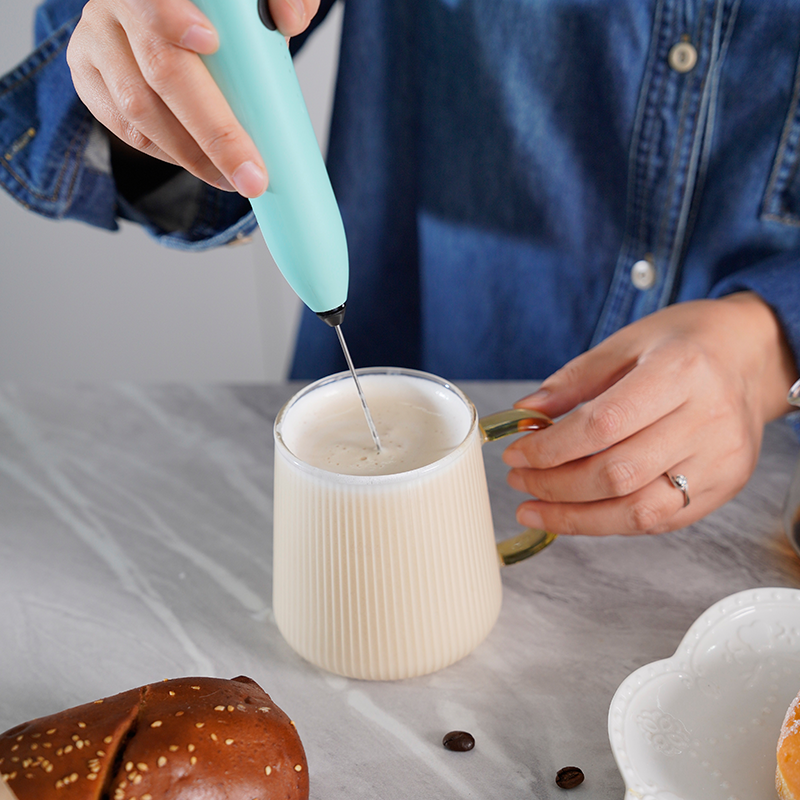
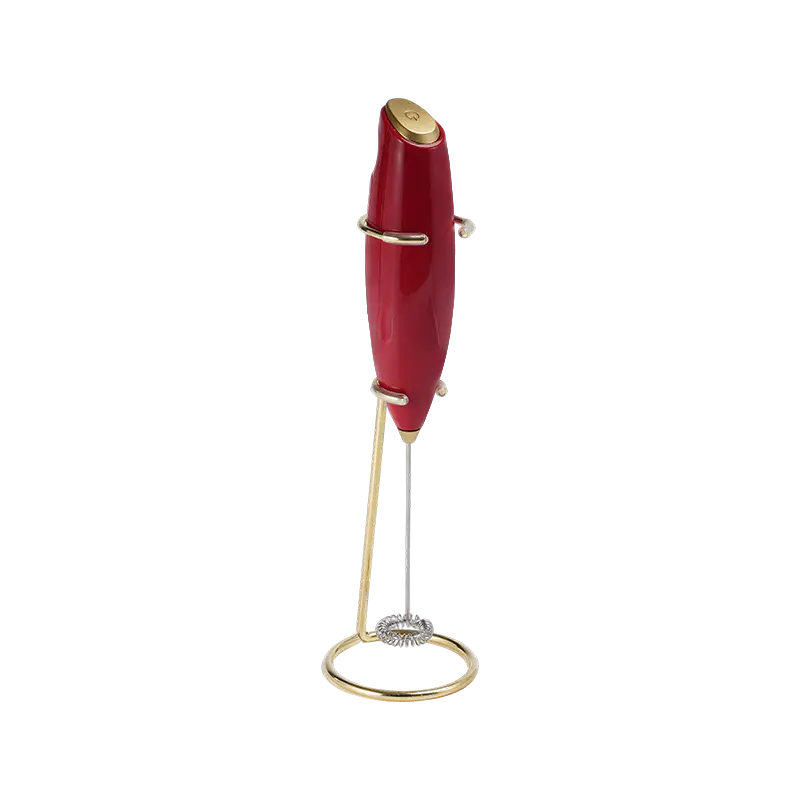
A small battery or USB-powered whisk that you plunge into a glass of warm milk. Fifteen to twenty seconds gives you a cup's worth of foam, the whisk rinses clean under the tap, and there is nothing to descale. This is the method most home drinkers settle on.
 2 AA Battery Handheld Electric Milk FrotherA cordless handheld whisk powered by two AA batteries, ideal for quickly frothing warm milk without descaling or a power outlet.View Product →
Countertop and jug frothers
These heat and froth on their own, usually with separate settings for hot foam, hot milk and cold foam. They are the quiet option when you are making two or three drinks at once.
Manual methods
A French press works surprisingly well: pump the plunger through warm milk for about thirty seconds. A jar with a tight lid and a hard shake does the same job with more effort. Both produce coarser foam, which is fine for a home cappuccino.
Choosing a Frother: Battery or Rechargeable
If you froth once a day, a USB rechargeable model is usually the better choice. Its lithium cell holds voltage as it drains, so the whisk keeps its speed from the first cup to the twentieth, and a single charge often covers weeks of use. If you froth only occasionally, or you want something that lives in a drawer and still works after a year of neglect, a model that takes two AA batteries is more forgiving: no cable, no charging routine, and the cells are easy to replace.
Whichever you pick, look at three details. The whisk head should be a spring or a cage rather than a flat blade, the shaft needs to reach the bottom of a tall glass, and a second, slower speed setting is genuinely useful for mixing rather than frothing. If you want the fuller comparison, our guide to battery-powered and USB rechargeable frothers goes through the trade-offs in more detail.
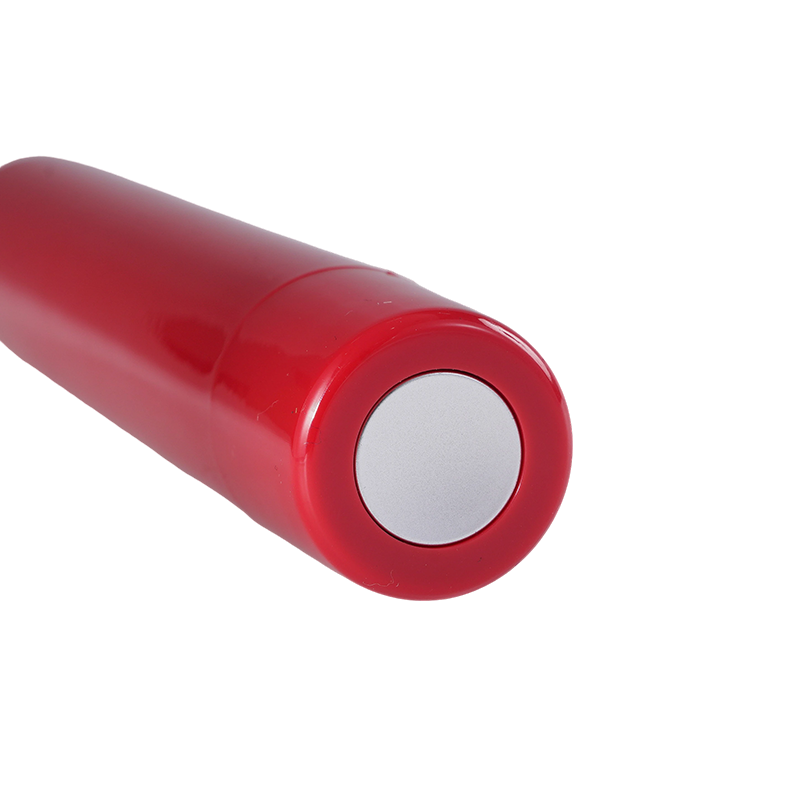
 USB Rechargeable 3-Speed Handheld Milk FrotherA slender USB rechargeable handheld frother with three speeds for delicate warm foam, everyday plant-milk mixing, and quick cold foam.View Product →
What We Look For When We Build a Frother
We are a kitchen appliance maker: our trading office is in Hangzhou, our factory is in Yuyao in Zhejiang province, and milk frothers are the product we know best. When we develop a new model, the questions are practical rather than glamorous. Does the motor keep its torque when cold, thick milk is in the glass? Does the seal around the shaft survive a thousand washes? Does the whisk sit low enough that the last centimetre of milk still gets aerated? We test those things in our own lab before anything else.
That is also why we can build to a specification. If you supply a drawing or a sample, we can develop and produce a frother around it, whether that means a battery handheld unit or a stainless steel countertop model with a heating base. Our products ship mainly to Europe and the Americas, and we work with importers, brand owners and retailers who need consistent quality at volume. You can read more about our factory and our process on our about page.
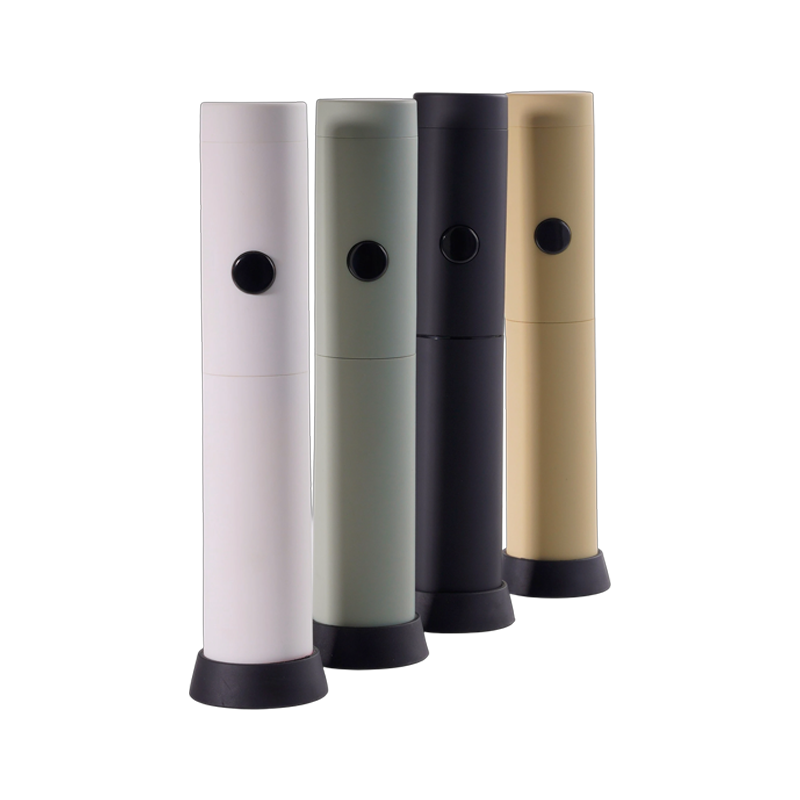
 Stainless Steel Automatic Electric Milk Frother with BaseA compact stainless-steel automatic frother with a stabilizing base, powered by two AA batteries for consistent creamy foam in seconds.View Product →
Milk froth, then, is not a mystery. It is air held inside milk by protein and fat, built up in two steps and kept stable by sensible temperature. Warm the milk without scalding it, stop frothing before the bubbles begin to break, and choose a milk with enough protein and fat to hold the structure. The equipment matters less than those three habits, though the right frother certainly makes them easier to keep.
Related products
-
-
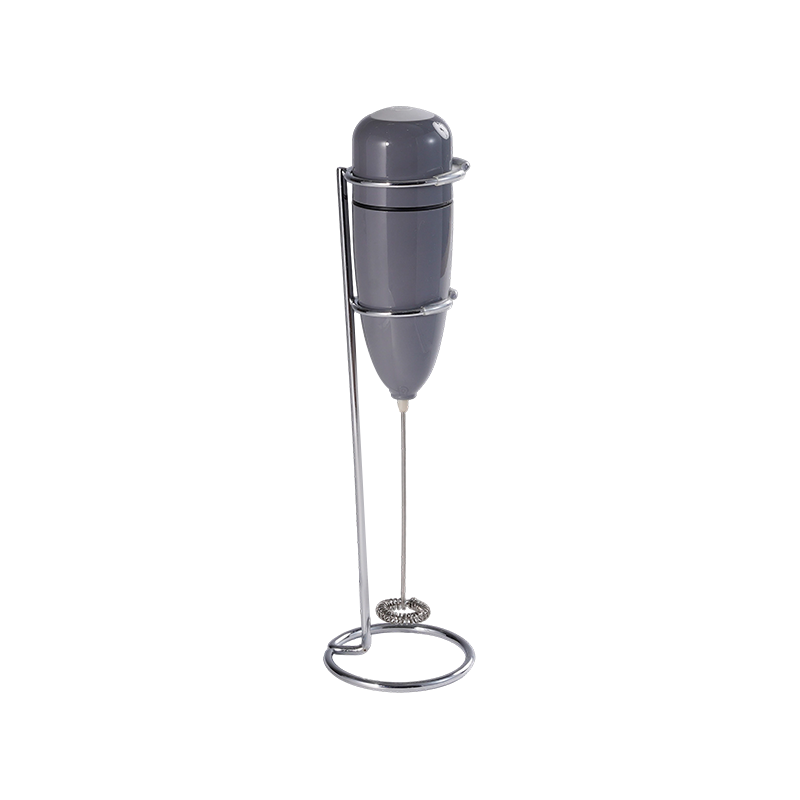
The handheld battery-powered milk frother with bottle measures 6.3 x 6.3 x 25.8 cm and weighs only 181 grams. Its lightweight design ensures users can...
See Details -
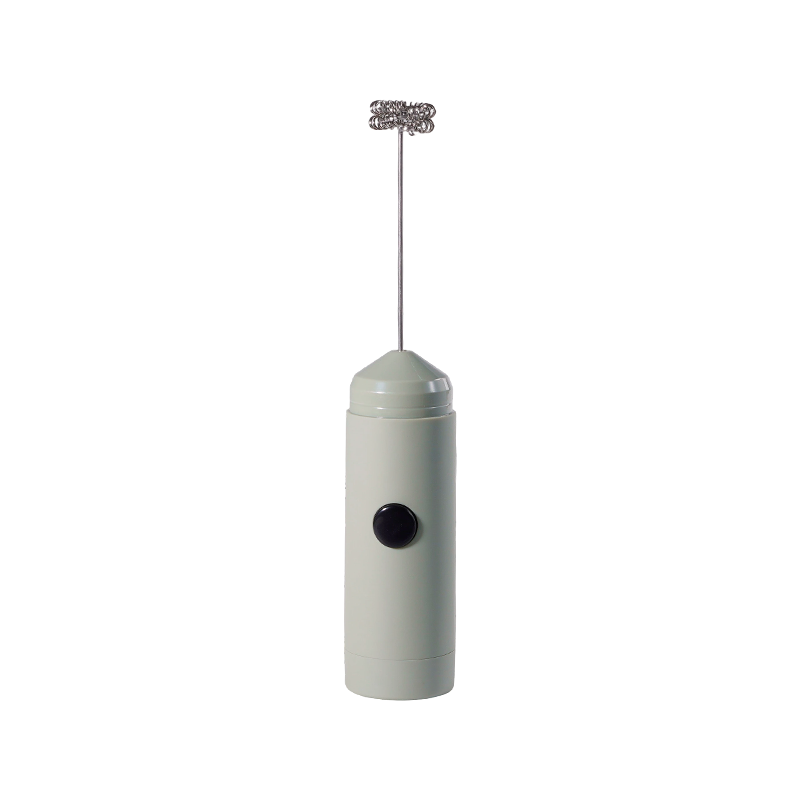
The 2 AA batteries handheld electric milk frother is a convenient kitchen tool for quickly and efficiently frothing milk for a variety of drinks, such...
See Details -
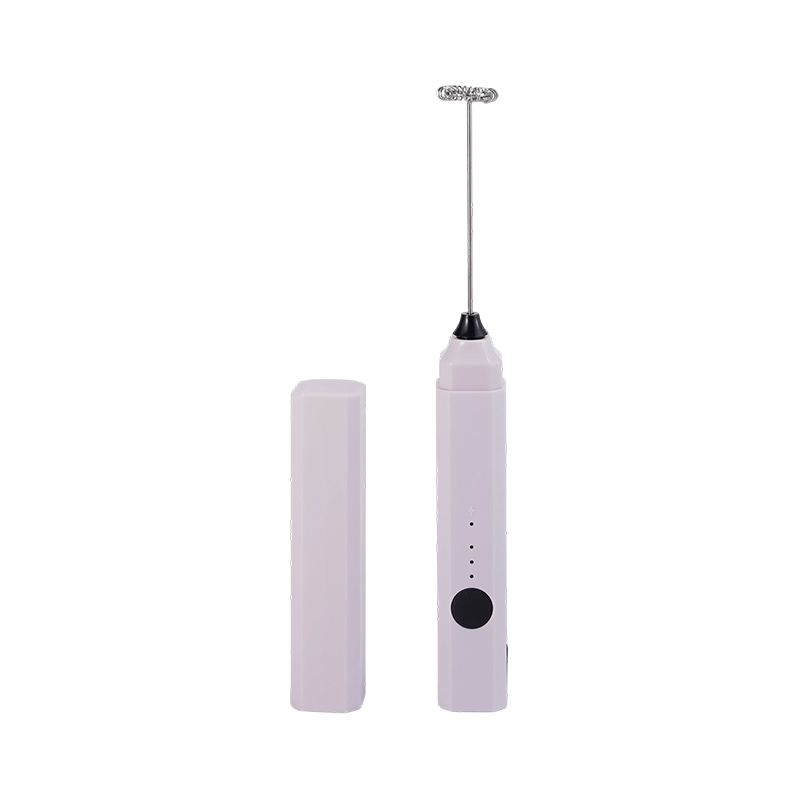
Lightweight portable egg beater milk refrigerator is a multifunctional kitchen tool designed to simplify and enhance the mixing and foaming process of...
See Details -
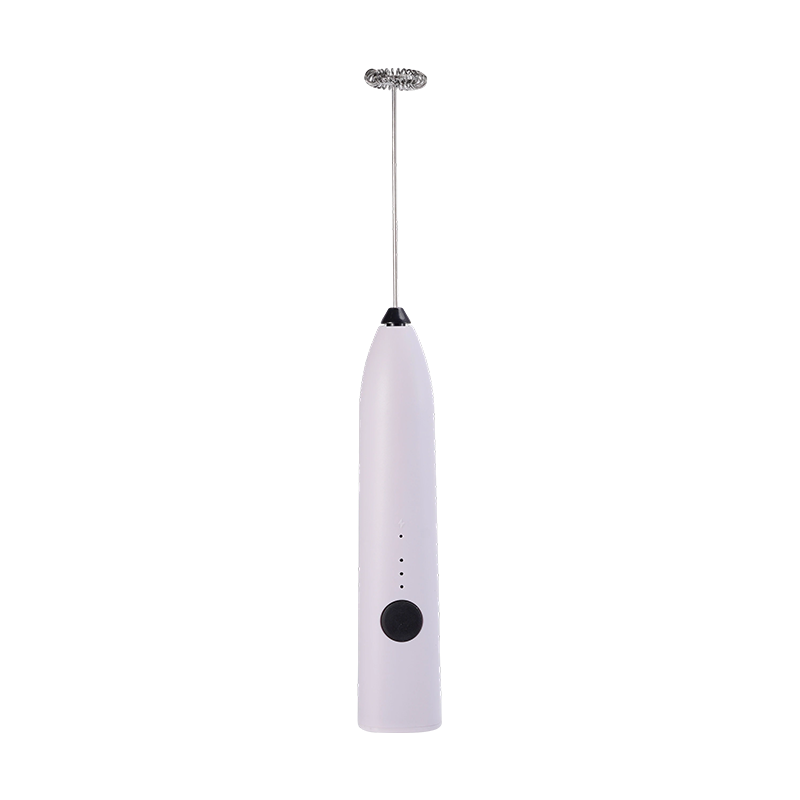
The unit size of the USB rechargeable 3-speed milk refrigerator is 3x3x25.2 centimeters, with a slender body that ensures sufficient mixing depth and ...
See Details -
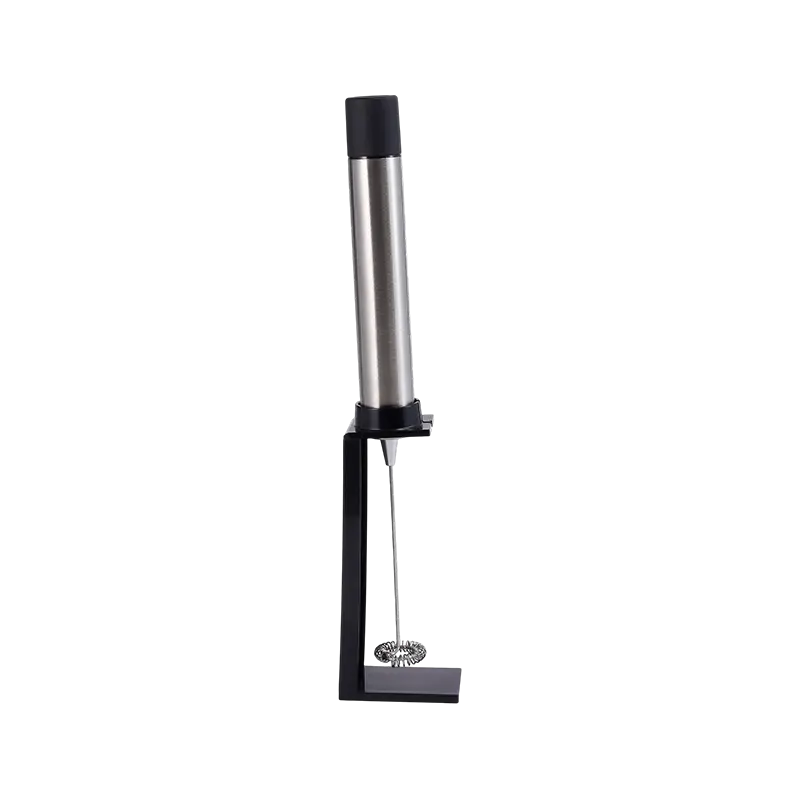
The stainless steel automatic electric milk frother with base measures 4x4x28 cm and weighs 62 grams, making it compact and portable. The outer carton...
See Details
News
-
If your electric milk frother isn't producing foam, the most common causes are using the wrong milk...
READ MORE -
As consumers become increasingly eco-conscious, the demand for sustainable kitchenware is surging. B...
READ MORE -
As home cooking continues to gain traction, electric salt and pepper grinders are becoming a kitchen...
READ MORE -
Steamed milk is ordinary fresh milk that has been heated and aerated with pressurized steam, almos...
READ MORE
If you are interested in our products, please consult us
-
Product
Electric Milk Frother Electric Salt & Pepper Mill Manual Salt & Pepper Mill Electric Wine Opener -
Quick Links
About Us Products Service FAQ News -
Contact Information
Room 1704, Building 4, Zhenaoyuan, Xixing Street, Binjiang District, Hangzhou City, Zhejiang Province, China+86-13429230897 -

Copyright © Hangzhou Shengrong Trading Co., Ltd. All Rights Reserved.
 Custom Automatic Electric Milk Frother Manufacturers