

 English
 русский
 Español
 Deutsch
 عربى
 中文简体

The Battery Powered Coffee Milk Drink Electric Whisk Mixer features a sleek and compact design, measuring just 3.7 x 3.2 x 23 cm, making it easy to ca...
See Details

What Is Steamed Milk? Microfoam, Temperature, and Café Texture Explained
Content
- 1 What Is Steamed Milk, Exactly?
- 2 The Science: What Steam Actually Does to Milk
- 3 Scalded, Steamed, and Frothed: Three Different Results
- 4 How to Steam Milk at Home, Step by Step
- 5 Temperature: Finding the Sweet Spot
- 6 Which Milk Steams Best? A Practical Guide
- 7 No Steam Wand? Four Ways to Get Close
- 8 Steamed Milk Across the Classic Café Menu
- 9 Six Common Mistakes and How to Fix Them
- 10 Steaming at Scale: What Cafés and Brands Look For
- 11 Frequently Asked Questions About Steamed Milk
- 11.1 Is steamed milk the same as frothed milk?
- 11.2 What temperature should steamed milk reach?
- 11.3 Can you steam milk without an espresso machine?
- 11.4 Why does steamed milk taste sweeter?
- 11.5 Which milk steams best?
- 11.6 Can you re-steam milk that has already been steamed?
- 11.7 Is steamed milk suitable for people avoiding lactose?
- 11.8 How long can steamed milk sit before serving?
- 12 Final Thoughts
Steamed milk is ordinary fresh milk that has been heated and aerated with pressurized steam, almost always from the steam wand of an espresso machine. In roughly ten to twenty seconds, cold milk sitting at the bottom of a stainless steel pitcher becomes a hot, glossy, slightly thickened liquid carrying a thin layer of tiny, uniform bubbles. That quiet transformation is the difference between a flat shot of espresso and a latte, a cappuccino, or a flat white worth ordering twice.
If you have ever wondered why café milk tastes sweeter, softer, and somehow heavier than milk warmed in a saucepan, there is no secret ingredient involved. It comes down to steam, air, temperature, and timing working together on the proteins and fats that milk already contains. Understand those four levers and you can control the result in your own kitchen or on your own bar.
What Is Steamed Milk, Exactly?
Steamed milk is fresh milk that has been heated and aerated with pressurized steam, most commonly through the steam wand attached to an espresso machine. The wand releases dry steam below the surface of the milk at high velocity. That steam transfers heat very quickly, while the movement of the jet folds a controlled amount of air into the liquid. Milk proteins and fat globules then wrap around those air bubbles and hold them in place, which is why the milk thickens slightly and develops a smooth, reflective surface instead of simply turning hot.
The word "steamed" describes both a method and a finished result. A well-steamed pitcher is not boiling, not scorched, and not stiff. It sits somewhere between 55°C and 65°C, carrying a thin, velvety layer of microfoam that flows out of the spout in one continuous ribbon. Baristas often describe the goal as "wet paint": fluid enough to pour latte art, structured enough to hold a line on the surface of the drink.
It also helps to separate steamed milk from its close relatives. Scalded milk is heated until a skin forms and the proteins begin to denature noticeably, which is a defect in coffee terms but historically a deliberate step in bread baking. Frothed milk is aerated far more aggressively, so it roughly doubles in volume and turns spoonable. Steamed milk sits between the two: warmed thoroughly, textured lightly, and still drinkable rather than edible.
| Characteristic | Steamed milk | Frothed milk |
|---|---|---|
| Air introduced | Small amount, folded in gently | Large amount, beaten in quickly |
| Texture | Silky, liquid, glossy | Thick, airy, spoonable |
| Volume increase | 15 to 30 percent | Up to 100 percent |
| Target temperature | 55°C to 65°C | 60°C to 70°C |
| Best-known use | Latte, flat white, cortado | Cappuccino topping, hot chocolate |
| Typical tools | Steam wand, automatic frother with steam | Electric whisk frother, French press, hand pump |
The Science: What Steam Actually Does to Milk
Steaming looks like a single action, but at the molecular level several things happen at once. Milk is an emulsion of fat, water, protein, and sugar, and each of those components responds differently to heat and agitation. Knowing which one you are influencing at each moment makes the technique far less mysterious.
Heat transfer is fast and even
Pressurized steam carries far more energy than hot air or a stovetop surface, so it can lift milk from fridge temperature to serving temperature in seconds. Because the heat arrives through the jet itself, it also stirs the milk continuously. That combination of rapid heating and constant motion is what prevents the scorched bottom layer you get when milk sits still in a saucepan.
Proteins build the bubble walls
Casein and whey proteins unfold slightly as they warm and gather at the surface of each air bubble, forming a flexible film. Those films are what turn air into stable microfoam instead of bubbles that pop the moment the wand stops.
Fat adds body and sweetness
Fat globules coat the tongue and soften the acidity of espresso. They also weigh the foam down slightly, which is why whole milk pours a heavier, creamier texture while skim milk produces drier, fluffier foam that holds shape longer.
Lactose changes the taste
Lactose, milk's natural sugar, is perceived as sweeter as it warms, and gentle heating also releases some volatile aromas. This is why a latte at 60°C tastes noticeably sweeter than the same milk at 80°C, even though no sugar was added.
Overheating destroys the work
Past roughly 70°C, whey proteins denature further and the foam structure collapses while the sugars and fats begin to taste cooked or flat. Once that happens, no amount of swirling will bring the milk back.
Scalded, Steamed, and Frothed: Three Different Results
These three words get used interchangeably in casual conversation, but they produce three clearly different liquids. Keeping them apart makes it easier to diagnose what went wrong when a drink tastes dull or the foam looks like dish soap.
Scalded milk
Milk heated close to boiling until a skin forms on the surface and a faint cooked flavor develops. Historically useful in baking and in older café traditions, but in modern espresso work it is considered a fault, because the proteins have tightened and the sweetness has dulled.
Steamed milk
Milk warmed by steam with a small, deliberate amount of air. The result is fluid, glossy, and slightly thickened, with a layer of microfoam measured in millimeters rather than centimeters. This is the texture that pours latte art and coats the palate evenly.
Frothed milk
Milk aerated hard until it doubles in volume and becomes stiff enough to spoon. Excellent on a cappuccino or a hot chocolate, but too dry and too light to pour into a latte, where it floats on top instead of blending with the espresso.
How to Steam Milk at Home, Step by Step
The sequence below works on almost any machine with a steam wand, from a small home unit to a two-group commercial setup. The order matters more than the exact number of seconds, because every wand delivers steam at a different rate.
- Start with cold milk. Fridge-cold milk gives you more time to introduce air before the temperature climbs into the danger zone. A cold pitcher helps too.
- Fill the pitcher one third to one half full. Milk needs room to swirl and expand. Overfilling leaves no space for the vortex and guarantees a mess.
- Purge the wand first. Open the valve for a second or two to blow out condensed water. Water in the milk dilutes flavor and creates large, unstable bubbles.
- Position the tip just below the surface. Place the wand slightly off center, at a shallow angle, with the tip barely submerged near the side of the pitcher.
- Stretch for a few seconds. Lower the pitcher slightly so the tip breaks the surface and you hear a soft, repeated hiss, like paper tearing. This is air entering the milk.
- Submerge and spin. Raise the pitcher so the tip sits deeper, then angle it to create a visible whirlpool. The vortex folds the foam into the milk and keeps the temperature even.
- Stop at 60°C to 65°C. If you have a thermometer, use it. Without one, stop when the pitcher feels hot on the palm but you can still hold it for a second or two.
- Tap, swirl, and pour. Tap the pitcher on the counter to break large bubbles, swirl until the surface looks like gloss paint, then pour immediately into the waiting espresso.
Temperature: Finding the Sweet Spot
Temperature is the single easiest variable to control and the one most often ignored. Below 50°C the drink feels lukewarm and the milk tastes thin. Above 70°C the sweetness disappears, the foam thins out, and the espresso's aromatics get buried under a cooked note. The narrow band in between is where steamed milk does its best work.
The chart above shows the flavor and texture window rather than the temperature itself: the longest bar marks the range where sweetness, body, and foam stability peak together, while the short bars at either end mark the zones where the drinking experience drops off quickly.
Which Milk Steams Best? A Practical Guide
Every milk steams, but they do not all behave the same way. Protein content controls how well the foam holds, fat content controls how creamy it feels, and added ingredients such as stabilizers or oils can either help or hinder the result.
Whole milk
The default choice for most cafés. Around 3.5 percent fat gives rich body, and the protein level builds stable microfoam that pours cleanly. If you are learning to steam, start here.
Reduced fat (2 percent)
Slightly lighter in the cup but still easy to work with. Foam tends to be a little drier and holds its shape a bit longer, which some baristas prefer for cappuccino.
Skim milk
Higher protein by volume and almost no fat, so it foams fast and stiff. The texture is airy rather than creamy, and the flavor can seem thin unless the espresso is sweet and full-bodied.
Barista oat milk
Formulated with extra fat and stabilizers to mimic dairy behavior. It steams well, but tends to scorch sooner, so pull the wand at around 55°C to avoid a toasted, cereal-like aftertaste.
Soy milk
Reliable protein structure and a neutral flavor profile. Plain versions can curdle in very acidic espresso, which is why barista blends with acidity regulators exist.
Almond milk
The hardest common plant milk to texture. Low protein and low fat mean bubbles collapse quickly, so look for barista versions and keep the stretch short.
Lactose-free milk
Behaves almost exactly like regular milk because only the sugar has been split. It often tastes slightly sweeter and browns a touch faster, which many drinkers enjoy.
Goat and A2 milk
Different protein profiles change the foam slightly, generally producing a softer, less elastic texture. Both steam fine with a gentler stretch and a careful temperature stop.
No Steam Wand? Four Ways to Get Close
Plenty of good coffee is made in kitchens without an espresso machine. The goal in every alternative method is the same: warm the milk gently while introducing air in small amounts, then stop before it overheats. A dedicated electric milk frother does this automatically, which is why it has become standard equipment in homes where a full machine is not practical.
Automatic frothers typically run one of two ways. Whisk-style units spin a small spring or disc to aerate the milk and warm it at the same time, while steam-assisted models heat with a small element and texture with a rotating paddle. Whisk style devices are compact, easy to rinse, and forgiving with plant milks. Steam-assisted units tend to produce finer foam and can reach higher temperatures, closer to what a café wand delivers.
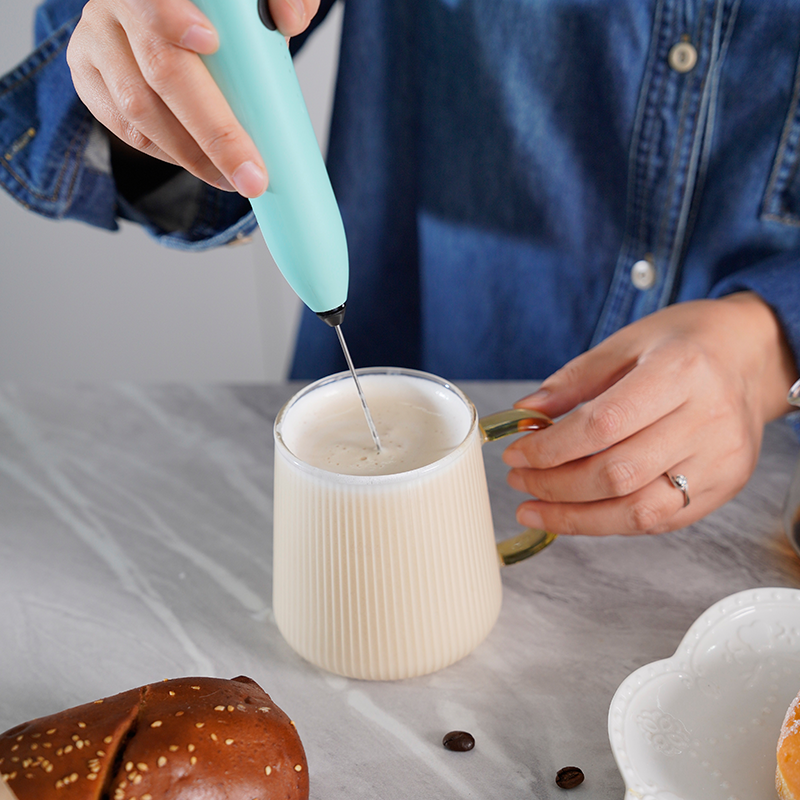 USB Rechargeable Three-Speed Handheld Milk FrotherRechargeable three-speed handheld frother with sanded finish; gentle gear for warm whole milk, standard for plant milks, powerful for cold foam.View Product →
- Electric frother: pour in milk, press one button, and stop it before the cycle finishes if the milk starts to smell cooked.
- French press: warm the milk in a pan to about 60°C, pour it into the press, then plunge steadily for twenty to thirty seconds.
- Jar and microwave: shake milk in a sealed jar for thirty seconds, remove the lid, microwave in short bursts, and swirl before pouring.
- Hand whisk on the stove: the traditional route. Keep the heat low and whisk constantly so the milk never sits still against the pan.
If you want to compare how much texture each approach can realistically deliver, our guide to the best electric milk frother for professional microfoam walks through the differences between wand steaming and at-home alternatives in more detail.
Steamed Milk Across the Classic Café Menu
The same pitcher of steamed milk becomes a different drink depending on how much of it you pour and how much air you left in it. The table below shows the rough proportions behind the drinks most cafés serve every day.
| Drink | Milk volume | Foam style | Texture on the palate |
|---|---|---|---|
| Latte | 150 to 220 ml | Thin microfoam layer | Soft, milky, rounded |
| Cappuccino | 120 to 150 ml | Thicker foam cap | Airy top, warm base |
| Flat white | 130 to 160 ml | Very fine, minimal air | Dense, velvety, coffee-forward |
| Cortado | 60 to 90 ml | Barely textured | Intense, lightly softened |
| Macchiato | 15 to 30 ml | Small foam dollop | Sharp espresso with a soft finish |
| Hot chocolate | 180 to 250 ml | Medium foam, no espresso | Coating, dessert-like |
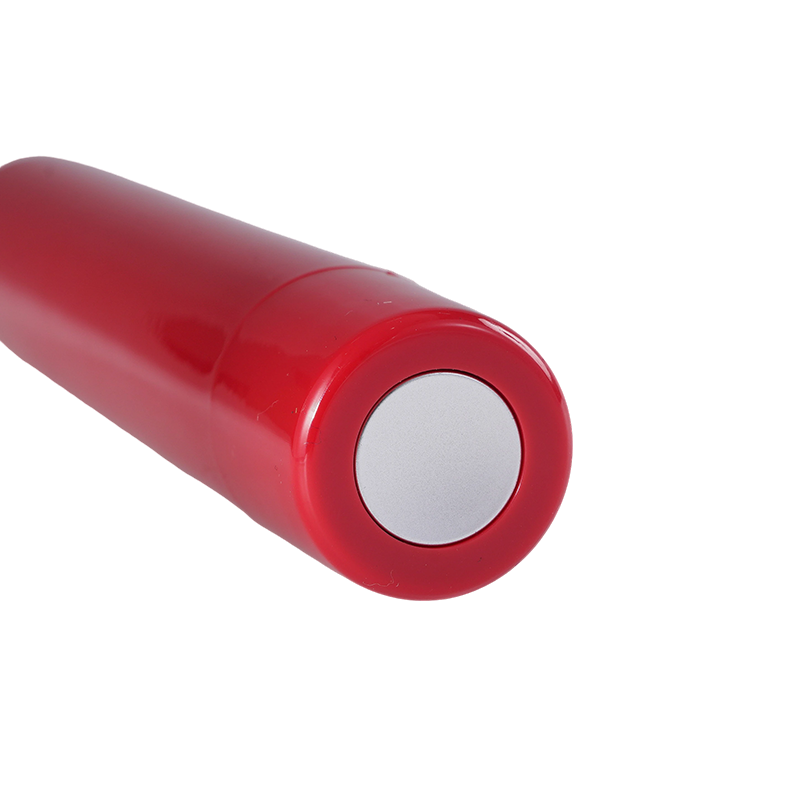 Stainless Steel Automatic Milk Frother with Stable BaseCompact stainless steel automatic frother with base; two AA batteries produce smooth, creamy froth in seconds for lattes and cappuccinos.View Product →
Six Common Mistakes and How to Fix Them
Most disappointing steamed milk can be traced back to one of a handful of habits. Each problem below has a straightforward correction that you can apply on the very next pitcher.
Mistake: milk boils or smells cooked
Fix: shut the steam off at 65°C or earlier. If you have no thermometer, stop while the pitcher is still comfortable to hold for two seconds.
Mistake: large bubbles cover the surface
Fix: the tip was too close to the surface for too long. Stretch for only three to five seconds, then push the wand deeper.
Mistake: milk heats but does not thicken
Fix: you skipped the stretch entirely. Lower the pitcher briefly at the start until you hear that soft tearing sound.
Mistake: foam sits on top instead of blending
Fix: too much air. For a latte, aim for barely any visible increase in volume and let the vortex fold the foam through the milk.
Mistake: milk tastes watery
Fix: purge the wand. Condensed water from a cold boiler waters the milk down and weakens the foam structure.
Mistake: the drink goes cold at the table
Fix: preheat the cup with hot water. Steamed milk at 60°C loses noticeable heat the moment it hits a cold ceramic wall.
Steaming at Scale: What Cafés and Brands Look For
Home steaming is a fifteen-second exercise. Steaming for a hundred customers an hour, or manufacturing equipment that does it reliably, is a different discipline altogether. Consistency becomes the whole game: the same milk, the same pitcher, the same wand depth, and the same stop point on every single drink. Cafés solve this with training and with equipment that holds a stable steam pressure and recovers quickly between pitchers.
Equipment buyers face a related question when they specify or source milk frothing products for retail. Whisk geometry, motor torque, battery versus USB power, and the warming element all change how quickly the milk reaches temperature and how fine the foam turns out. A three-speed rechargeable model gives users a gentler setting for plant milk and a faster setting for dairy, while a plug-in unit with a base prioritizes steady output in a fixed kitchen position. Battery-powered handheld models, by contrast, trade some power for portability, which suits travel, office, and small-apartment use.
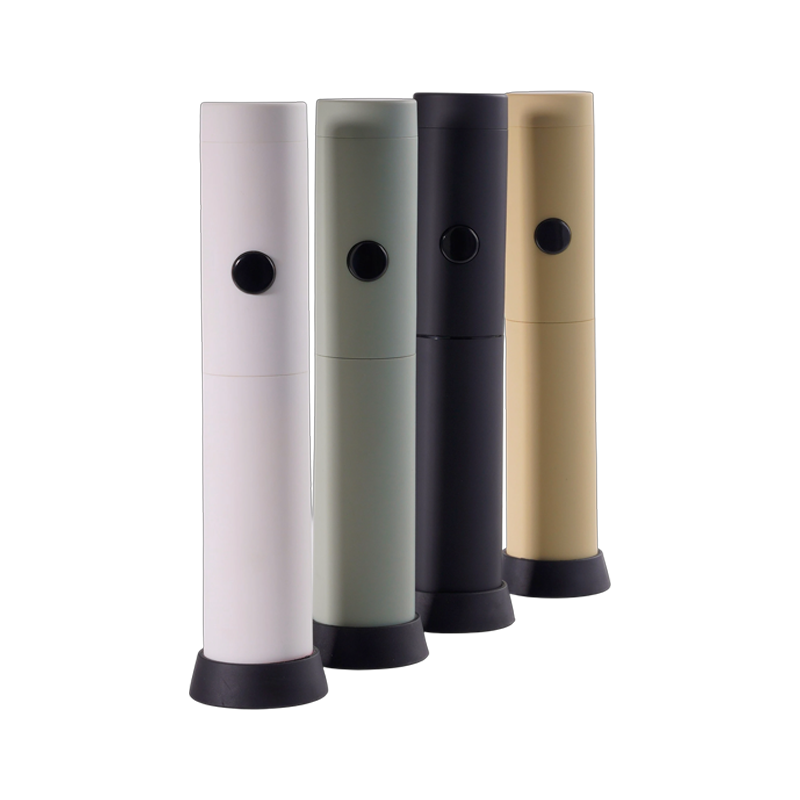 Two-AA Battery Handheld Electric Milk FrotherCordless handheld whisk runs on two AA batteries, ideal for travel or office; froths milk for lattes in seconds to a minute.View Product →
Our own background sits on the manufacturing side of that question. The factories behind this site run their own casting and machining operations, test products in an in-house lab, and produce drink-preparation and table-seasoning items for buyers in Europe and the Americas. If you are curious about how the production and export side is organized, the company profile explains the relationship between the manufacturing facility and the trading operation, along with annual output and customization capabilities.
OEM and ODM Development from drawings or samples
In-house lab Testing before shipment
Own foundry Casting through finishing in one chain
Multi-category Frothers, grinders, openers
Frequently Asked Questions About Steamed Milk
Is steamed milk the same as frothed milk?
No. Steamed milk is heated and lightly aerated, so it stays fluid and gains only a thin layer of microfoam. Frothed milk is aerated aggressively and can double in volume, becoming thick enough to spoon.
What temperature should steamed milk reach?
Aim for 55°C to 65°C. Below that the drink feels lukewarm, and above roughly 70°C the sweetness fades and the foam structure weakens.
Can you steam milk without an espresso machine?
Yes. An electric milk frother, a French press, a shaken jar warmed in short microwave bursts, or a hand whisk over low heat can all produce a close approximation at home.
Why does steamed milk taste sweeter?
Lactose is perceived as sweeter as it warms, and gentle heating releases aroma compounds. The effect disappears if you overheat the milk, which is why temperature control matters more than speed.
Which milk steams best?
Whole dairy milk is the most forgiving because its fat and protein balance produces stable, creamy microfoam. Barista-style oat and soy blends are the closest plant-based equivalents.
Can you re-steam milk that has already been steamed?
It is not recommended. Once milk has been heated past 65°C and re-chilled, the protein structure has changed and the second steaming produces flat, weak foam with a cooked taste.
Is steamed milk suitable for people avoiding lactose?
Steaming does not remove lactose, so lactose-free milk or a plant milk is the practical choice. Lactose-free dairy steams very similarly to regular milk and often tastes slightly sweeter.
How long can steamed milk sit before serving?
Only a few seconds. Foam begins to separate almost immediately, so tap, swirl, and pour as soon as the wand stops rather than letting the pitcher rest on the counter.
Final Thoughts
Steamed milk is not complicated once you know what you are trying to create. It is milk warmed to roughly 60°C by pressurized steam, aerated just enough to build a thin layer of microfoam, and poured while it is still glossy and fluid. Everything else, from pitcher angle to wand depth to the moment you close the valve, is simply a way of steering those two variables, heat and air, toward the texture you want in the cup.
Whether you are dialing in a home setup on a Saturday morning or specifying frothing equipment for a retail range, the same three rules hold: start cold, stretch briefly, and stop before the milk cooks. Get those right and the difference between an ordinary cup and a genuinely good one is measured in a handful of degrees and a few seconds of steam.
Related products
-
-
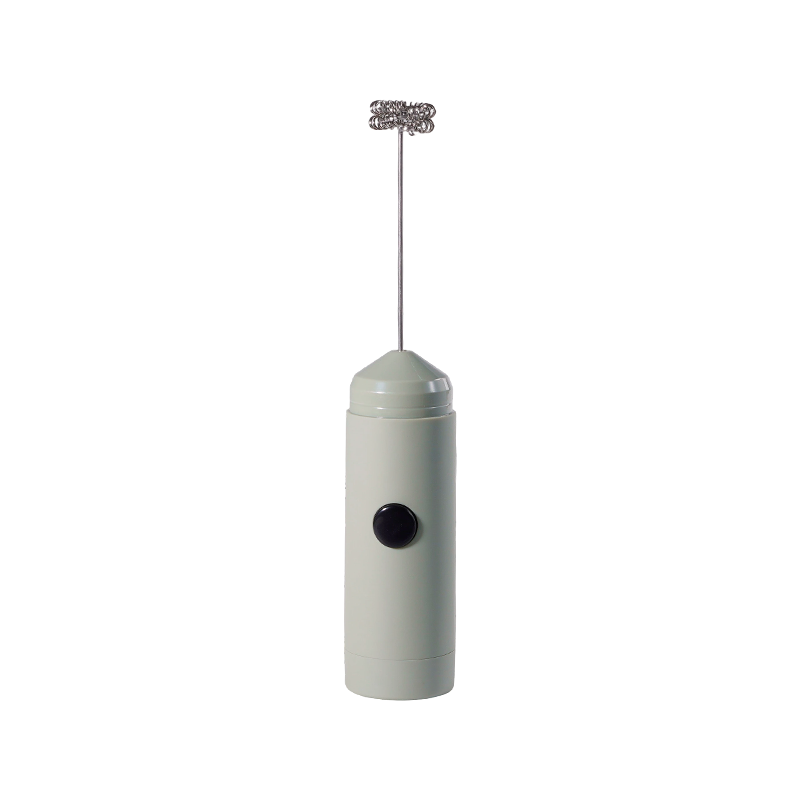
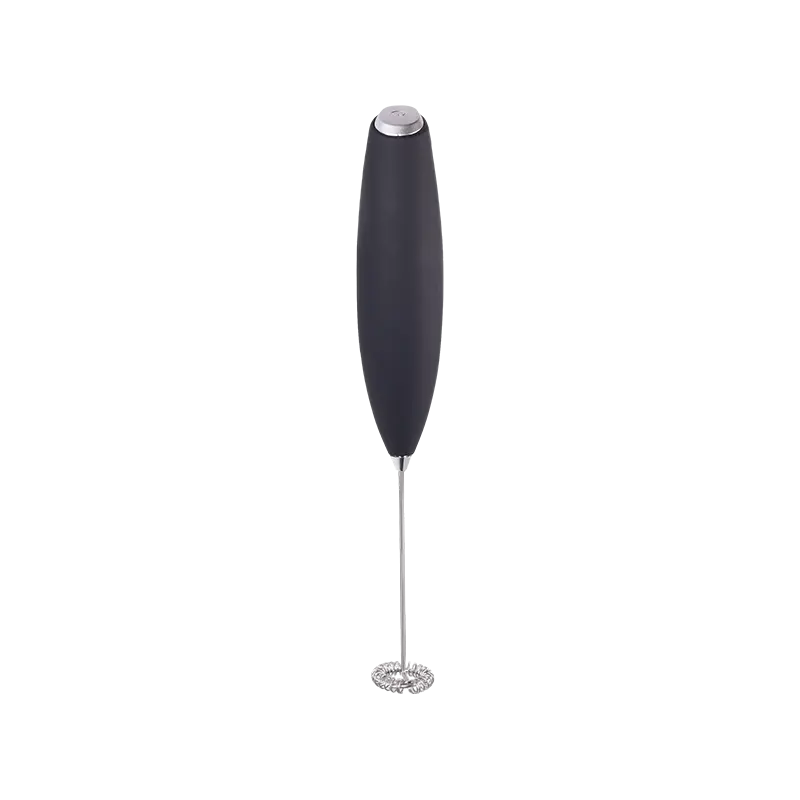
The 2 AA batteries handheld electric milk frother is a convenient kitchen tool for quickly and efficiently frothing milk for a variety of drinks, such...
See Details -
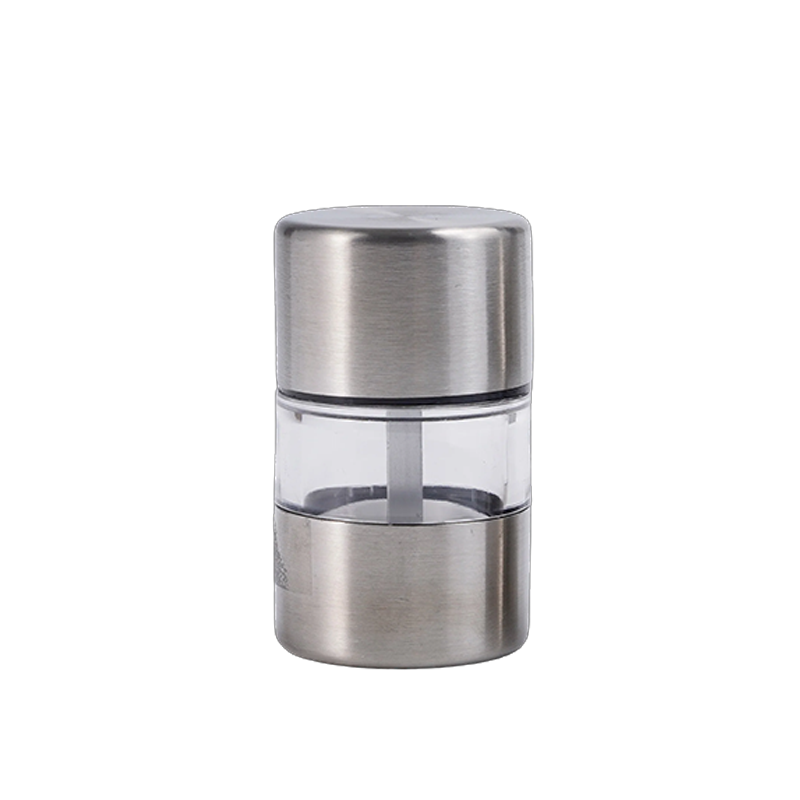
The size of this grinder is 6.7x3.5x5.5 cm, making it suitable for use in relatively small kitchen spaces, while also being easy to carry and store. T...
See Details -
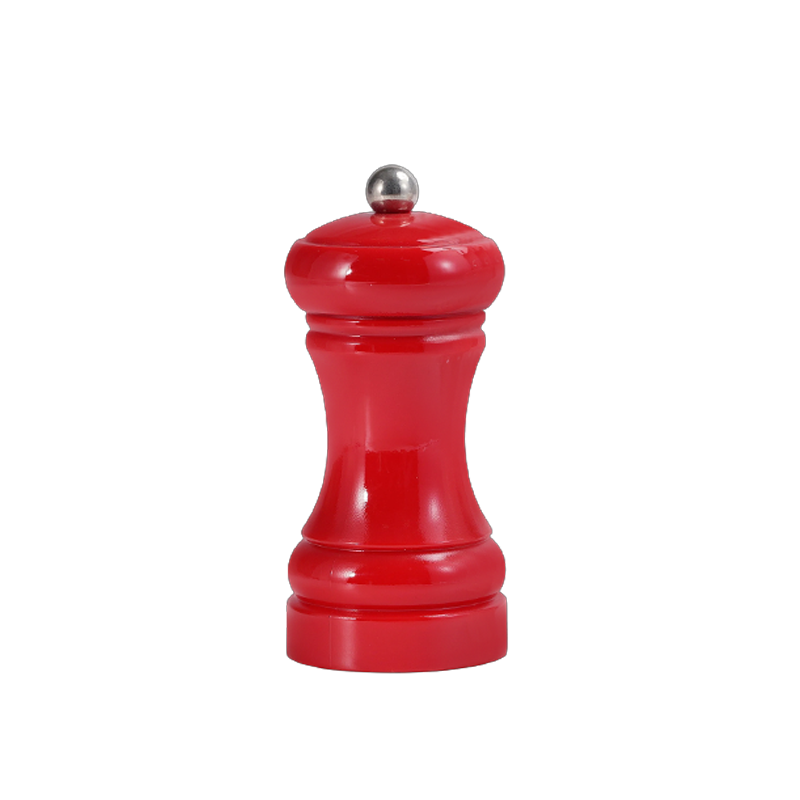
This grinder's manual operation gives you complete control over the coarseness of your grind. Unlike electric grinders, this manual operation allows y...
See Details -
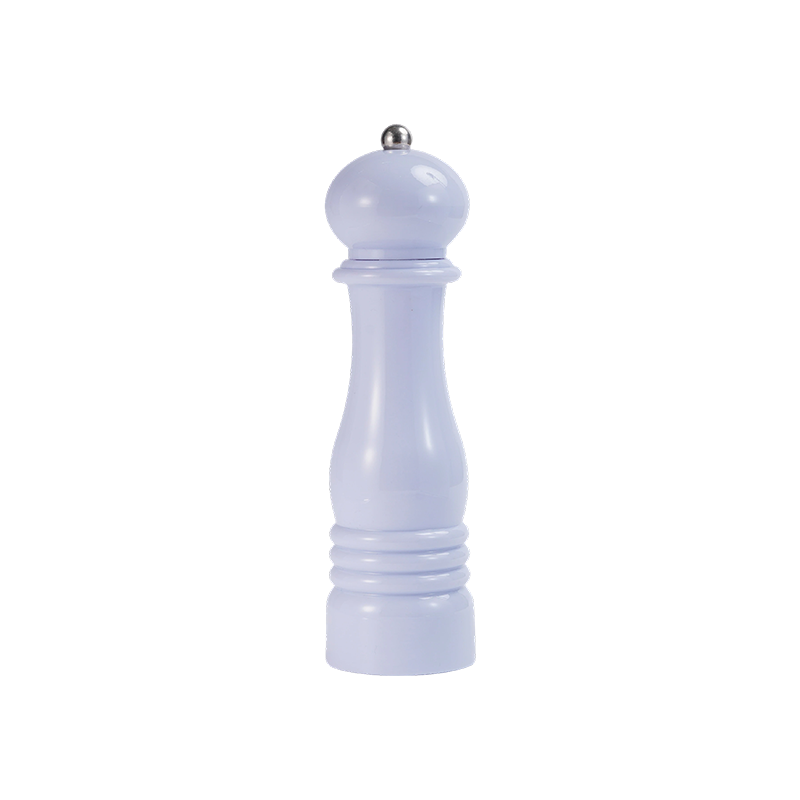
This grinder adopts the classic manual crank design, and users can control the thickness of grinding by rotating the crank. This design is not only re...
See Details -
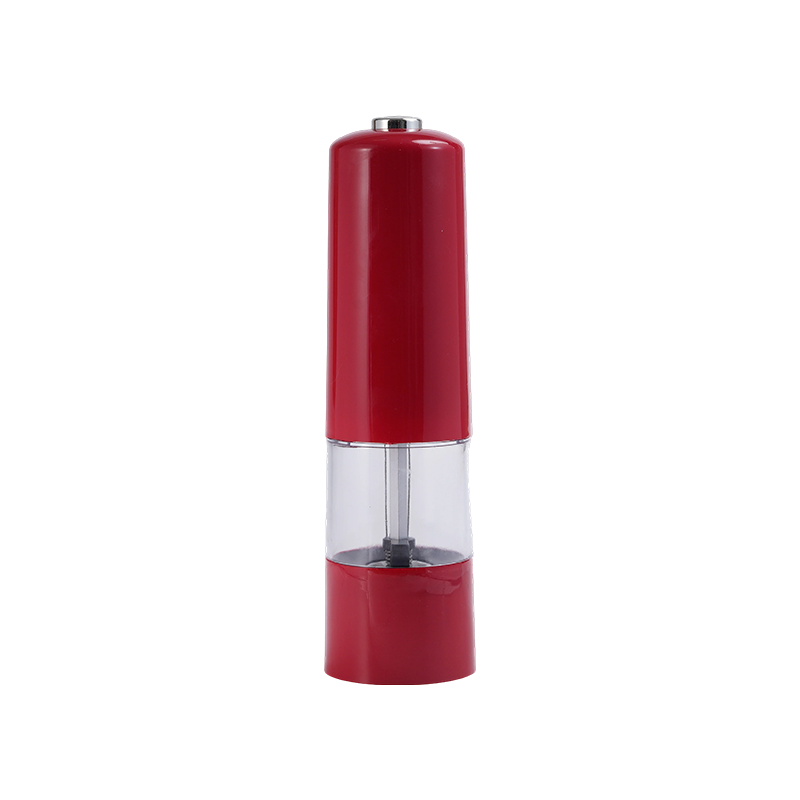
The Battery Operated Colored Electric Plastic Salt and Pepper Grinders are powered by batteries and do not require manual grinding. Users only need to...
See Details
News
-
An Electric Milk Frother Is a Powered Device That Aerates Milk Into Foam Automatically and Consiste...
READ MORE -
The Fundamentals of Electric Milk Frother Technology and Market Positioning The modern Electric Milk...
READ MORE -
Steaming milk is one of those small skills that quietly changes everything about a cup of coffee. A...
READ MORE -
The core difference between electric and manual wine openers comes down to effort, speed, and consi...
READ MORE
If you are interested in our products, please consult us
-
Product
Electric Milk Frother Electric Salt & Pepper Mill Manual Salt & Pepper Mill Electric Wine Opener -
Quick Links
About Us Products Service FAQ News -
Contact Information
Room 1704, Building 4, Zhenaoyuan, Xixing Street, Binjiang District, Hangzhou City, Zhejiang Province, China+86-13429230897 -

Copyright © Hangzhou Shengrong Trading Co., Ltd. All Rights Reserved.
 Custom Automatic Electric Milk Frother Manufacturers