

 English
 русский
 Español
 Deutsch
 عربى
 中文简体

The Battery Powered Coffee Milk Drink Electric Whisk Mixer features a sleek and compact design, measuring just 3.7 x 3.2 x 23 cm, making it easy to ca...
See Details

What Does Steaming Milk Do? The Science Behind Silky Microfoam at Home
Content
Steaming milk is one of those small skills that quietly changes everything about a cup of coffee. Ask most home baristas what steaming milk does and they will say it makes foam. That is true, but it is only part of the answer. Steam also warms the milk, unfolds its proteins, drives off a little water, and folds in air until the surface looks like wet paint. What you end up with is a sweeter, silkier liquid that pours instead of plops.
Here is what is really happening inside the pitcher, why the taste changes so much, and what to do if you do not own an espresso machine at all.
What Steaming Milk Actually Does
Three things happen at once when a steam wand meets cold milk, and keeping them separate in your head makes the whole process easier to control.
Heat unfolds the proteins
Milk is roughly 87 percent water, with fat, lactose and protein making up most of the rest. The proteins, mainly casein and whey, normally sit curled into tight balls. Once the temperature climbs past about 40°C, the whey proteins begin to unfold, and unfolded proteins grip the surface of air bubbles far more effectively. In plain terms, milk only becomes capable of holding stable foam after it is warm.
Air builds the volume
The wand does two jobs at once. The tip, held just below the surface, pulls air in and forms bubbles, while the steam jet drives the milk into a steady whirlpool that chops large bubbles into tiny ones and spreads them evenly through the pitcher.
Water leaves, flavour stays
A little water evaporates during steaming, so what remains is slightly more concentrated. Together with the higher temperature, that is enough to make the same milk taste noticeably sweeter than it does straight from the fridge.
Why Steamed Milk Tastes Sweeter
People often assume the steam is caramelising the lactose. It is not; that reaction needs far more heat than a wand can deliver. The sweetness you notice comes from three simpler effects.
- Temperature. Taste receptors register sweetness more strongly in warm liquids, which is why warm milk with honey tastes sweeter than the same mixture served cold.
- Concentration. Some water evaporates, so the lactose, fat and minerals left behind are marginally denser.
- Aroma. Warmth releases volatile compounds that cold milk keeps locked in, and aroma carries a large share of what we describe as sweetness.
There is a limit, though. Push past roughly 70°C and that pleasant sweetness turns into a scalded, slightly eggy note as the proteins coagulate and sulphur compounds form. Foam collapses at the same time, because coagulated protein can no longer hold bubbles. The goal is never "as hot as possible"; it is just hot enough.
Steaming and Frothing Are Not the Same Thing
The two words get used interchangeably, but they describe different textures. Frothing means pushing a lot of air into the milk to build a thick cap of large, dry bubbles, the kind you spoon onto a cappuccino. Steaming means adding air only briefly and then letting the whirlpool fold that air through the entire pitcher until you have microfoam: bubbles so small the surface looks like gloss paint.
| Aspect | Microfoam | Dense foam |
|---|---|---|
| Bubble size | Tiny, barely visible | Large and airy |
| Surface look | Glossy, like wet paint | Matte, cloud-like |
| How it pours | Flows like liquid and blends in | Spoons out in dollops |
| Usually paired with | Lattes, flat whites, latte art | Cappuccinos, hot chocolate |
| Volume gain | Roughly 15 to 25 percent | Can nearly double |
If you prefer the finer texture but work with a handheld frother rather than a wand, a unit with adjustable speeds gives you a way to choose: a gentle setting adds air slowly, while a fast one whips the milk into a firmer, drier foam.
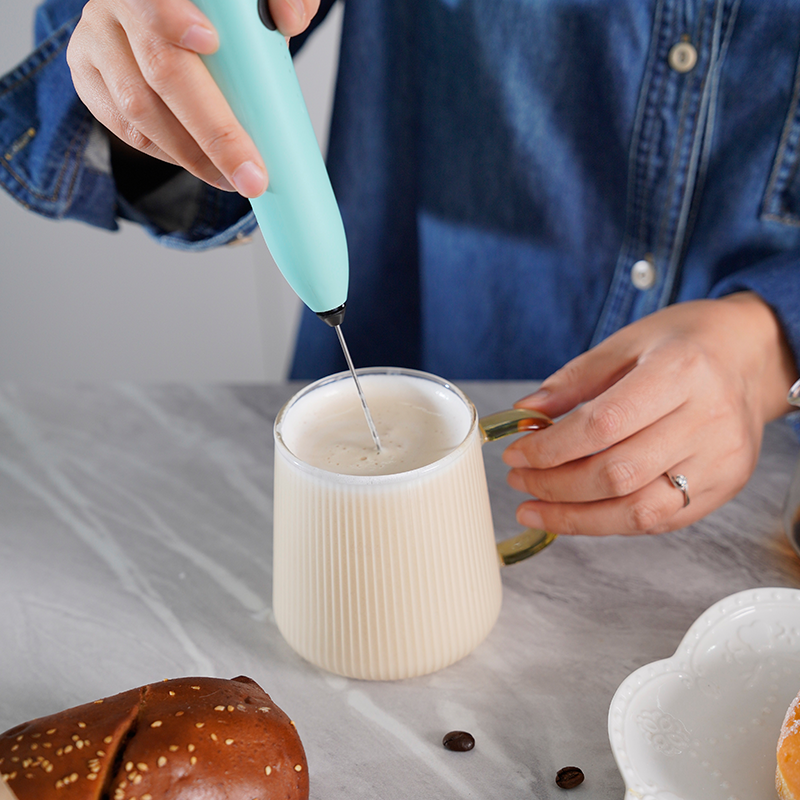 USB Rechargeable Three-Speed Handheld Milk FrotherA slim USB-rechargeable handheld frother with three speeds for gentle warm foam, everyday dairy or plant milk, and cold drinks.View Product →
Temperature Is the Number That Matters Most
Start with milk straight from the fridge. Cold milk gives you more working time before the temperature runs away from you, and it holds air more predictably. Stop steaming somewhere between 60°C and 65°C.
You do not need a thermometer forever. The pitcher is a decent gauge on its own: it should feel comfortably warm in your hand, and the moment the bottom becomes uncomfortable to hold, you are already past the sweet spot. If you are learning, use a thermometer for the first week and compare the reading with how the jug feels. Most people calibrate surprisingly quickly.
When Steaming Goes Wrong
Almost every problem at the wand has a physical cause, and almost all of them are fixable in the next pitcher.
- A loud screech. Air is rushing in faster than the milk can absorb it. Lower the pitcher a fraction or open the steam valve more gently.
- Big bubbles sitting on top. The tip stayed too high for too long, so air went in without being folded through the milk. Raise the jug slightly and let the vortex pull the bubbles under.
- Foam that flattens within a minute. The milk was overheated. Coagulated proteins lose their grip, and no amount of swirling brings the bubbles back.
- No whirlpool at all. The tip is too deep or too far off centre. Move it just inside the edge of the pitcher and listen for a quiet, steady hiss instead of a roar.
- A thick cap over watery milk. Too much air at the start and not enough texturing afterwards. Aerate for two or three seconds, then spend the rest of the time rolling the milk.
No Steam Wand? You Can Still Get Good Texture
Plenty of excellent coffee is made without an espresso machine. Electric milk frothers handle the same three jobs, heating, aerating and agitating, and the results can be close enough to fool most people in a blind taste test.
Pitcher-style machines with a heated base come closest to a steam wand. You pour in cold milk, press one button, and a whisk creates a vortex while the element brings the milk up to temperature. Because the whisk spins continuously, air is distributed through the whole volume instead of being trapped at the top, which is exactly how microfoam is built.
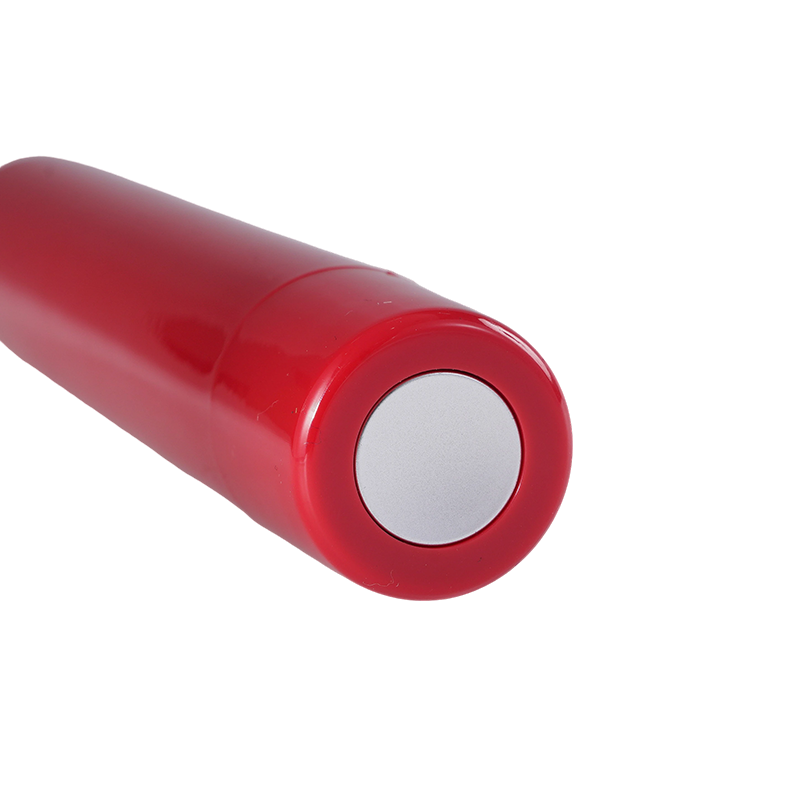 Battery-Powered Stainless Steel Automatic Milk Frother with BaseCompact AA-battery stainless-steel automatic frother with stabilizing base, producing creamy froth for lattes and cappuccinos; bulk packaging available.View Product →
Handheld whisk frothers work differently. You hold a small wand at an angle in a mug and let it run, creating the same swirling motion on a smaller scale. They are fast, easy to clean and need no warm-up. If you are weighing up power sources, this guide to battery and USB rechargeable types covers the practical differences.
Either way, give yourself a few attempts before judging the result. The first pitcher is rarely the best one.
What You Put in the Pitcher Matters Too
Whole milk is the easiest to work with, because its fat and protein both help stabilise bubbles, and it delivers the richest mouthfeel. Skim milk foams higher and stiffer but tastes thinner. Plant milks vary enormously: barista versions are formulated with extra protein so they behave more like dairy, while standard almond or rice milk tends to produce thin, unstable foam.
Small habits help as well. Use a pitcher no more than half full, rinse it with cold water before you start so the milk does not stick, and never re-steam milk you have already heated. Practise with the same jug and the same volume until the motion becomes automatic; consistency teaches faster than variety.
If you make drinks away from the kitchen, in an office or a hotel room, a battery-powered frother with its own bottle saves you from hunting for a clean mug and keeps everything in one container.
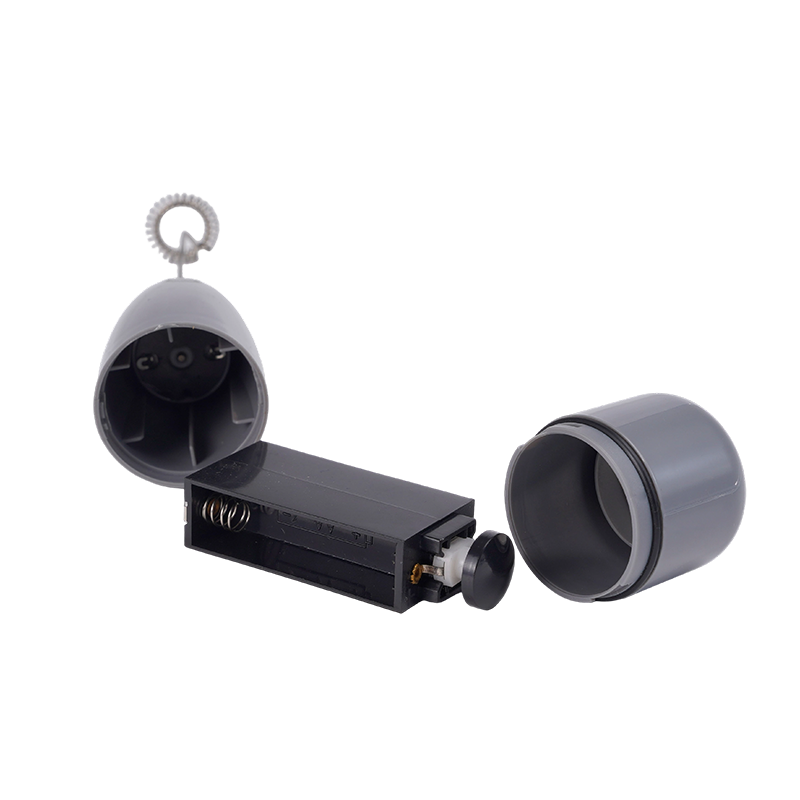 Battery-Powered Handheld Milk Frother with Attached BottleA lightweight AA-battery handheld frother with a bottle attachment, designed for cordless mixing and silky milk foam away from the kitchen.View Product →
The Short Version
Steaming milk does three things: it warms the milk until the proteins unfold, it introduces air, and it churns that air into fine, stable bubbles. The warmth makes the milk taste sweeter, the bubbles make it feel thicker and let it pour into patterns, and together they turn a simple shot of espresso into something with body and balance.
We have been building small kitchen appliances, electric milk frothers among them, at our own facility for years, and the questions customers send us are almost always the same ones about temperature, texture and timing. Get those three right and the rest follows naturally.
Related products
-
-
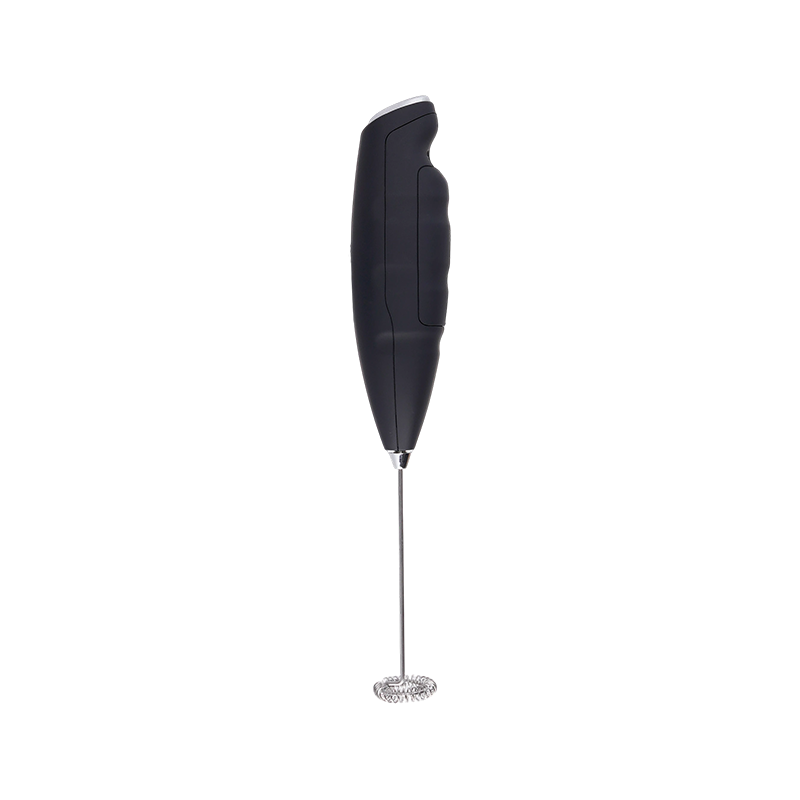
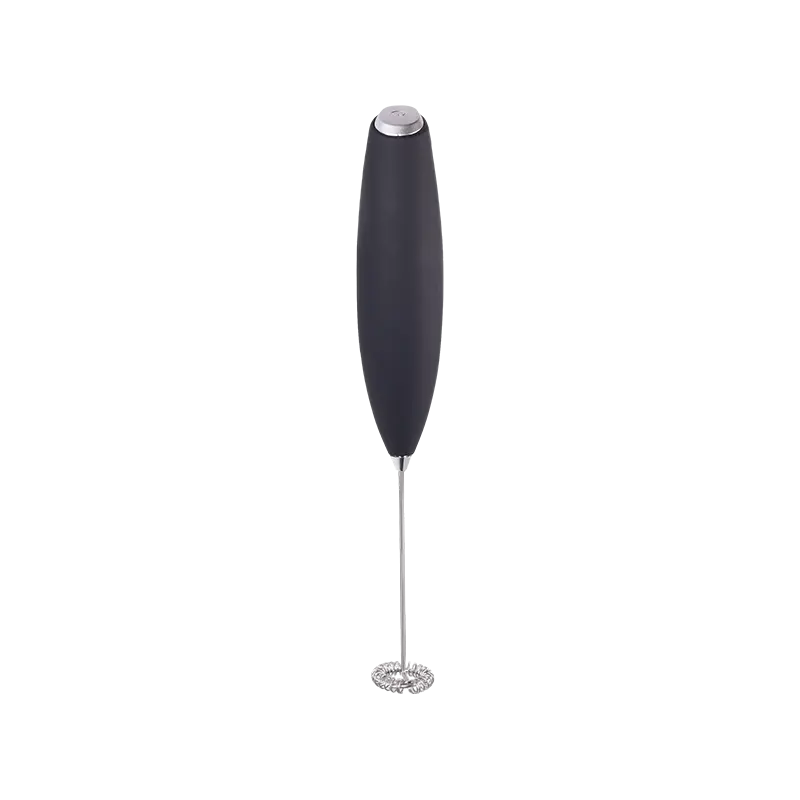
The Battery Powered Coffee Milk Drink Electric Whisk Mixer features a sleek and compact design, measuring just 3.8*3.5*23.8 cm, making it easy to carr...
See Details -
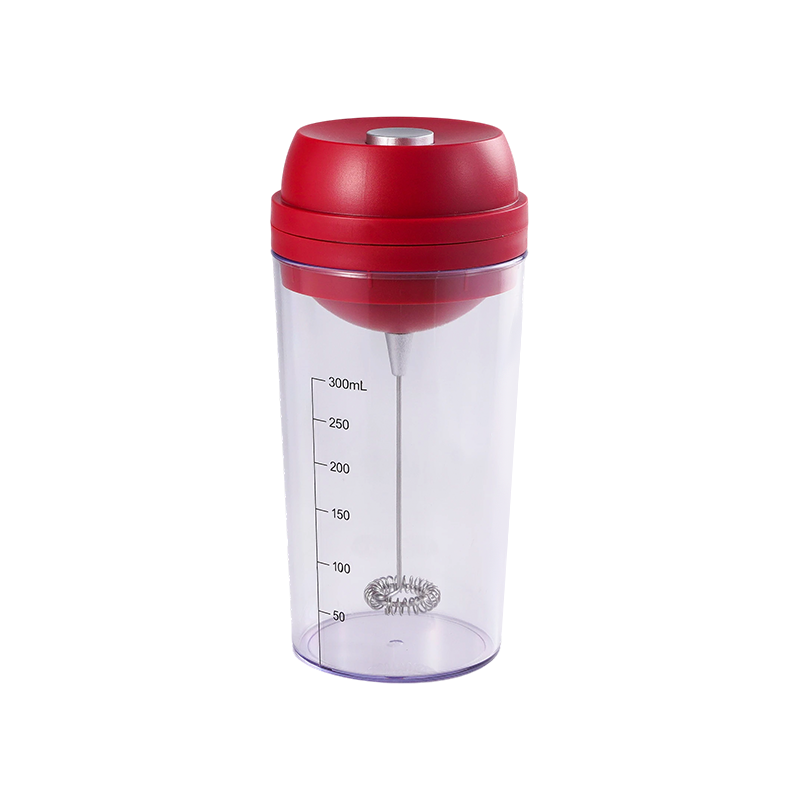
This dual-function device combines egg whisking and milk frothing, allowing users to seamlessly switch between tasks without using multiple devices. I...
See Details -
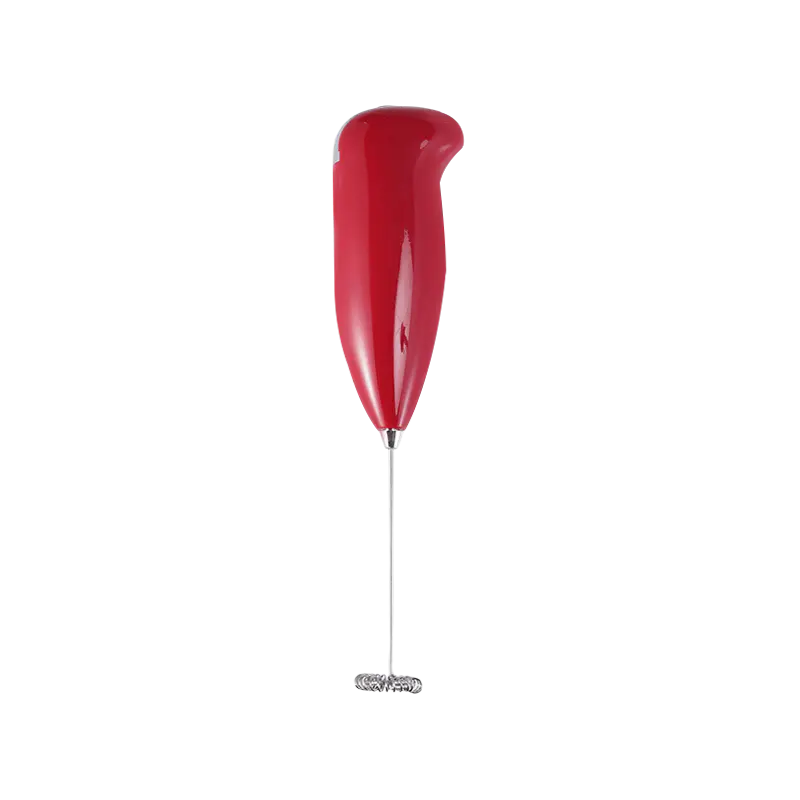
One of the most prominent features of this coffee stirrer is its automatic rotating stirring mechanism. The stirrer is powered by two AA batteries, an...
See Details -
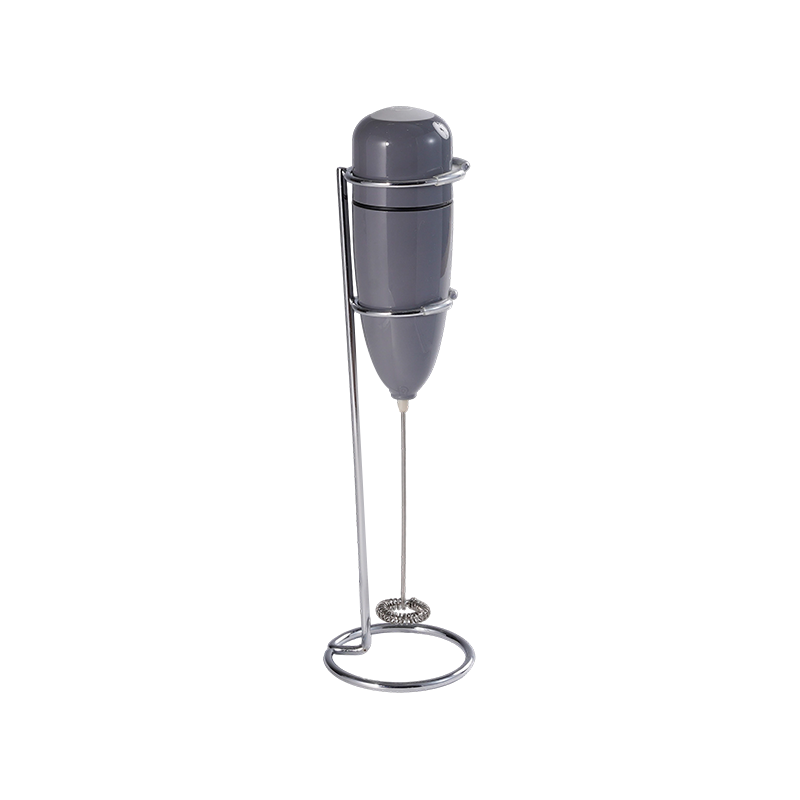
The handheld battery-powered milk frother with bottle measures 6.3 x 6.3 x 25.8 cm and weighs only 181 grams. Its lightweight design ensures users can...
See Details -
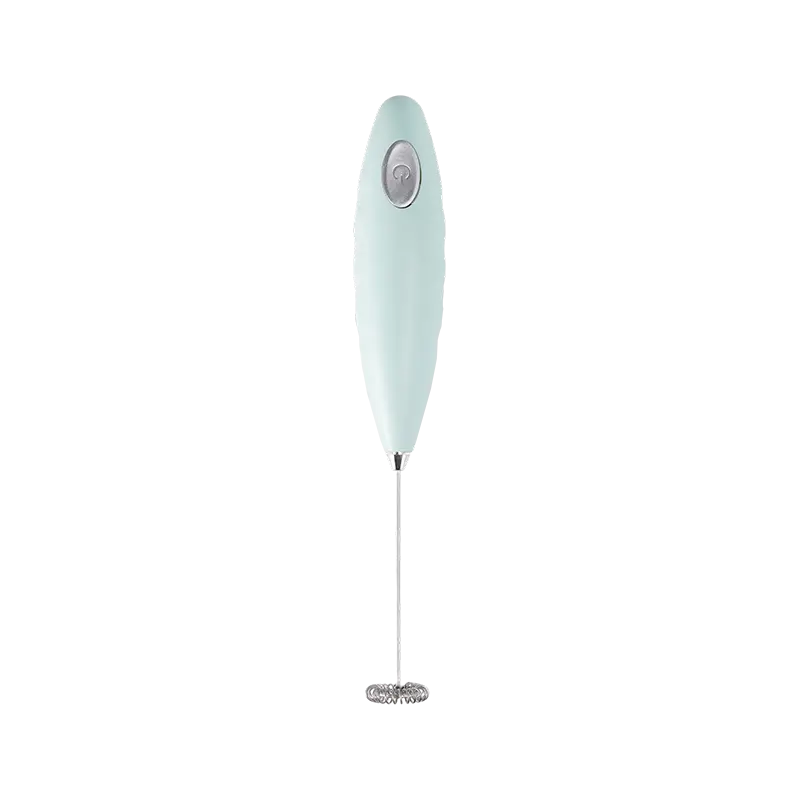
Designed for coffee enthusiasts, casual drinkers, and those seeking convenient milk frothing, this device combines portability, ease of use, and effic...
See Details
News
-
An Electric Milk Frother Is a Powered Device That Aerates Milk Into Foam Automatically and Consiste...
READ MORE -
Steamed milk is ordinary fresh milk that has been heated and aerated with pressurized steam, almos...
READ MORE -
Your espresso is ready. The milk, however, came out bubbly and thin twice this week. The issue is n...
READ MORE -
The Fundamentals of Electric Milk Frother Technology and Market Positioning The modern Electric Milk...
READ MORE
If you are interested in our products, please consult us
-
Product
Electric Milk Frother Electric Salt & Pepper Mill Manual Salt & Pepper Mill Electric Wine Opener -
Quick Links
About Us Products Service FAQ News -
Contact Information
Room 1704, Building 4, Zhenaoyuan, Xixing Street, Binjiang District, Hangzhou City, Zhejiang Province, China+86-13429230897 -

Copyright © Hangzhou Shengrong Trading Co., Ltd. All Rights Reserved.
 Custom Automatic Electric Milk Frother Manufacturers